تدخل معظم العلامات التجارية في مجال اللياقة البدنية في علاقة تصنيع بالنيابة عن الغير (OEM) مع أحد المصنعين بنفس الطريقة التي تتبعها في أي معاملة شراء: مقارنة عروض الأسعار، واختيار أقل سعر قابل للتطبيق، وتقديم الطلب، وتقييم النتيجة. وإذا كانت النتيجة مقبولة، فإنها تكرر العملية. وإذا لم تكن كذلك، فإنها تبحث عن مورد آخر. هذا النموذج المعاملاتي مفهوم — فهو يقلل الالتزام المسبق ويحافظ على خياراتها — لكنه يحرمها أيضًا بشكل منهجي من المزايا الأكثر قيمة التي يمكن أن شراكة مع شركة مصنعة لمعدات اللياقة البدنية يمكنها تقديمه.
العلامات التجارية التي تحقق أداءً متفوقًا باستمرار في كفاءة التوريد، وسرعة تطوير المنتجات، ومرونة سلسلة التوريد هي، دون استثناء تقريبًا، تلك التي تجاوزت مرحلة الشراء المعاملاتي مع شريك تصنيع رئيسي واحد على الأقل. فهي تحظى بأولوية في جدولة الإنتاج خلال فترات ذروة الطاقة الإنتاجية. كما تحصل على وصول مبكر إلى الابتكارات في المواد وتحسينات العمليات. كما أنها تدفع تكاليف وحدة إنتاجية فعالة أقل — ليس بالضرورة من خلال الخصومات المتفاوض عليها، بل من خلال المعرفة الإنتاجية المتراكمة التي تقضي على أوجه القصور في الإعداد، والتباينات في المواصفات، وتكاليف الاتصال الإضافية التي تضخم تكلفة كل دورة إنتاج لعميل جديد. يتناول هذا الدليل كيفية بناء هذا النوع من العلاقات بشكل مدروس — وما يحتاج الطرفان إلى الاستثمار فيه لإنجاحها.
فهم المعنى الحقيقي للشراكة طويلة الأمد مع مصنعي المعدات الأصلية (OEM)
يُستخدم مصطلح “الشراكة” بشكل فضفاض في السياقات التجارية — غالبًا لوصف أي علاقة متكررة مع الموردين. وفي سياق تصنيع معدات اللياقة البدنية من قبل الشركات المصنعة للمعدات الأصلية (OEM)، تتميز الشراكة الحقيقية طويلة الأمد بخصائص محددة تميزها عن المعاملات المتكررة:
- آفاق التخطيط المشتركة: يتخذ الطرفان قراراتهما استنادًا إلى رؤية متعددة السنوات للعلاقة، وليس فقط بناءً على الطلب الحالي.
- الاستثمار المتبادل: تستثمر الشركة المصنعة في الأدوات، ووقت تشغيل خطوط الإنتاج، والدعم الهندسي بما يتناسب مع متطلبات منتج العميل؛ بينما يستثمر العميل في التنبؤات، ووضوح المواصفات، وتدفق الطلبات بشكل منتظم.
- التواصل الشفاف: يتبادل الطرفان المعلومات المتعلقة بالواقع التشغيلي — مثل قيود القدرات، والتغيرات في الطلب، ومشكلات الجودة، وضغوط التكاليف — في الوقت الفعلي، بدلاً من التعامل معها بشكل دفاعي.
- حل المشكلات بشكل جماعي: عندما تنشأ التحديات (وهي ستنشأ حتماً)، يتعامل الطرفان معها بروح من التعاون بدلاً من تبادل اللوم.
وفقًا لـ تحليل إدارة علاقات الموردين في شركة جابيل, ، فإن المنظمات التي تستثمر في شراكات استراتيجية بين الشركات المصنعة للمعدات الأصلية (OEM) ومورديها تتفوق باستمرار على نماذج الشراء المعاملاتية من حيث الكفاءة من حيث التكلفة، وموثوقية التسليم، والوصول إلى الابتكار — حيث تُظهر البيانات التاريخية لمؤشر علاقات العمل وجود ارتباط إيجابي قوي بين درجات جودة العلاقات والنتائج المالية. وينطبق هذا الاستنتاج على مختلف القطاعات، وتؤكد تجربتنا في مجال تصنيع معدات اللياقة البدنية صحة ذلك في هذا المجال أيضًا.
ميزة “العميل المفضل”
في أي بيئة تصنيع تكون فيها الطاقة الإنتاجية الإجمالية محدودة — ومصانع معدات اللياقة البدنية ليست استثناءً — يتخذ الموردون يوميًا قرارات ضمنية بشأن ترتيب الأولويات. أي عميل يحصل على الفترة الزمنية المتاحة للإنتاج عندما تتنافس عدة طلبات على نفس وقت خط الإنتاج؟ أي مشترٍ يتلقى الإخطار في أقرب وقت عندما يؤدي نقص المواد إلى خطر تأخير التسليم؟ طلب تطوير المنتج الجديد لأي علامة تجارية يحظى باهتمام فريق الهندسة عندما تكون الموارد محدودة؟
والإجابة، دائمًا، هي العميل الذي جعل أعمال المورد أكثر استقرارًا، وأكثر قابلية للتنبؤ، وأكثر ربحية بمرور الوقت. وهذه هي ديناميكية “العميل المفضل”، التي تحدد شركة جابيل باعتبارها إحدى المزايا التشغيلية الرئيسية للاستثمار في العلاقات الاستراتيجية مع الموردين. ولا يتطلب أن تصبح العميل المفضل لدى الشركة المصنعة لمعدات اللياقة البدنية أن تكون أكبر عميل — بل يتطلب أن تكون الأكثر موثوقية، والأكثر تعاونًا، والأكثر قابلية للتنبؤ به من الناحية التجارية.
المرحلة الأولى: الأساس — تنفيذ الطلبات الأولى بشكل صحيح
الشراكات طويلة الأمد لا تُعلن عنها؛ بل تُكتسب من خلال التجارب الإيجابية المبكرة من كلا الجانبين. ويتم إرساء الأساس خلال الطلبات الأولى التي يتراوح عددها بين طلب واحد وثلاثة طلبات، حيث تعمل كل من العلامة التجارية والشركة المصنعة على وضع معايير العمل، واختبار عمليات التواصل، وتطوير فهم مشترك للمواصفات والتوقعات.
الاستثمار في جودة المواصفات
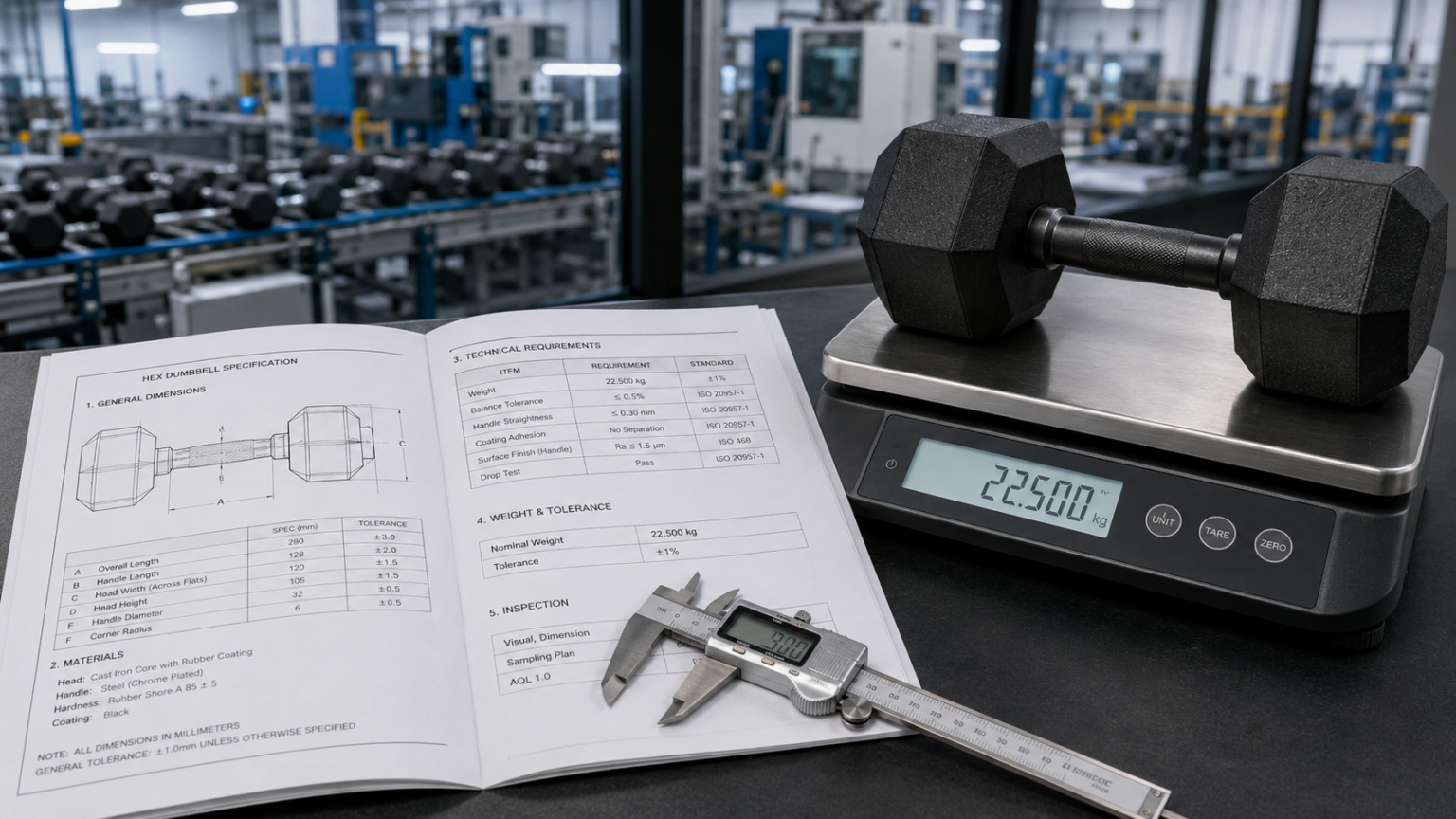
إن الاستثمار الأكثر تأثيرًا على الإطلاق الذي يمكن لعميل جديد من مصنعي المعدات الأصلية (OEM) القيام به هو الاستثمار في جودة مواصفات منتجاته. فالرسومات الفنية الكاملة، ومواصفات المواد المعتمدة، والعينات المرجعية التي تتضمن حدود انحراف واضحة، ومواصفات التغليف التي تراعي كل مرحلة من مراحل المناولة بدءًا من الإنتاج وحتى عرض المنتج على الرفوف — كل ذلك يقلل من عبء التفسير الذي يقع على عاتق الشركة المصنعة، ويحد من دورات مراجعة العينات، ويضع أساسًا مرجعيًا يمكن قياس الإنتاج بناءً عليه بشكل موثوق.
تكتسب المصانع التي تستقبل عملاء جدد بشكل متكرر فهمًا داخليًّا واضحًا بشأن العملاء الذين يسهل التعامل معهم وأولئك الذين يكلفون الكثير. فالعملاء “السهلون” يقدمون مواصفات كاملة، ويستجيبون بسرعة للأسئلة، ويتخذون قرارات الموافقة على العينات بناءً على معايير موضوعية. أما العملاء “الصعبون” فيقدمون توجيهات غامضة، ويغيرون المواصفات في منتصف مرحلة الإنتاج، ويطلبون إجراء تعديلات دون مراعاة تأثير تلك التغييرات على الجدول الزمني والتكلفة. إن السمعة التي تبنيها العلامة التجارية خلال أول طلبين — قبل مناقشة أي علاقة — هي التي تحدد مدى حسن النية والمرونة التنظيمية التي سيبديها المصنع في كل تفاعل لاحق.
ادفع في الموعد المحدد، في كل مرة
تعد موثوقية السداد إحدى أقوى المؤشرات وأقلها مناقشة في العلاقة الجديدة مع مصنّع المعدات الأصلية (OEM). فالعميل الذي يسدد مستحقاته باستمرار وفقًا للشروط المتفق عليها — دون الحاجة إلى المطالبة بالسداد، ودون سداد دفعات جزئية، ودون طلب تمديدات — يُظهر استقرارًا ماليًّا وجدية تجارية. وبالنسبة للمصنعين الذين يديرون التدفقات النقدية عبر دورات إنتاج متعددة وعمليات شراء المواد الخام، فإن وجود طرف دافع يمكن التنبؤ به وموثوق به يُعد ذا قيمة جوهرية تتجاوز المعاملة نفسها. وعلى العكس من ذلك، فإن العميل الذي يتأخر في السداد بشكل متكرر أو يعيد التفاوض على الشروط بعد شحن البضائع يتسبب في أعباء إدارية، وضغوط مالية، وفقدان للثقة يصعب التعافي منه في العلاقات التي لا تزال في مراحلها الأولى.
المرحلة الثانية: بناء الثقة — من عميل موثوق به إلى شريك مفضل
بعد إنجاز ثلاث إلى خمس طلبات بنجاح، يتم إرساء الأساس التشغيلي. وقد تجاوز الطرفان الاحتكاكات التي لا مفر منها في المراحل المبكرة، وأصبح كل منهما على دراية معقولة بعمليات الطرف الآخر. وهذه هي المرحلة التي يؤدي فيها السلوك المتعمد لبناء العلاقة — بما يتجاوز الأداء المتعلق بالمعاملات — إلى خلق ديناميكية تفضيل حقيقية.
مشاركة التوقعات المتجددة ونوايا الإنتاج
من بين أكثر الخطوات العملية التي يمكن لعلامة تجارية متخصصة في مجال اللياقة البدنية اتخاذها لتسريع إقامة شراكة تصنيعية هي الإفصاح عن خطط الإنتاج المستقبلية. ولا يُقصد بذلك أوامر الشراء الملزمة قانونًا، بل تقديرات الطلب المتجددة لفترة تتراوح بين 6 و12 شهرًا، وخطط تطوير المنتجات، وإطلاق المنتجات الجديدة المتوقعة (SKU)، مما يتيح للمصنع اتخاذ قرارات أفضل بشأن توزيع الطاقة الإنتاجية والموارد نيابة عنك.
من وجهة نظر الشركة المصنعة، يختلف العميل الذي يشارك توقعاته المتجددة — حتى لو كانت غير رسمية وتوجيهية — اختلافًا جوهريًّا عن العميل الذي يظهر دون سابق إنذار بطلب عاجل. فالأول يتيح للمصنع تخزين المواد الخام مسبقًا، وحجز وقت خط الإنتاج، وإعداد الأدوات مسبقًا. أما الحالة الثانية فتتطلب العمل على عجل. وغالبًا ما يتمثل الفرق في النتيجة بالنسبة للمشتري في فترات تسليم فعالة أقصر بمقدار 15–30%، بالإضافة إلى أولوية أفضل بشكل ملحوظ في الوصول إلى الطاقة الإنتاجية. وفقًا لـ دليل «فيشبول» لإدارة العلاقات مع الموردين, ، فإن إشراك الموردين في مرحلة مبكرة من التخطيط — من خلال مشاركة بيانات الطلب والجداول الزمنية لتطوير المنتجات — يُعد أحد الاستثمارات التعاونية ذات العائد الأعلى التي يمكن للعلامة التجارية القيام بها.
إجراء المراجعات السنوية للأعمال
تسهم «المراجعة السنوية المنظمة للأعمال» (ABR) — التي تُعقد بحضور كبار أصحاب المصلحة من كلا المنظمتين — في إضفاء الطابع الرسمي على العلاقة وتوفير منبر لمناقشة الأداء المتبادل والأولويات الاستراتيجية والخطة المستقبلية. ويشمل جدول أعمال المراجعة السنوية المنظمة للأعمال (ABR) الفعال ما يلي: مراجعة أداء الإنتاج (معدل التسليم في الموعد المحدد، ومقاييس الجودة، وحل المشكلات)، وظروف السوق من وجهة نظر المشتري والتغيرات المخطط لها في الطلب للعام المقبل، ومبادرات التطوير المشتركة وخطط الاستثمار في الأدوات، ومراجعة التسعير وهيكل التكاليف، وأي تعديلات على الشروط التجارية للفترة المقبلة.
تشكل المراجعات السنوية المنظمة (ABR) مؤشراً على التزام المؤسسة. فالعلامة التجارية التي تستثمر في إجراء تقييم سنوي منظم تُعبّر بذلك عن أن علاقة التصنيع هذه مهمة بما يكفي لتستحق اهتماماً خاصاً من كبار المسؤولين — وهي رسالة تلقى صدىً قوياً لدى فرق إدارة المصانع التي اعتادت أن تُعامل كموردين للسلع القابلة للاستبدال. كما يخلق نموذج التقييم السنوي المنظم (ABR) مسؤولية منظمة: حيث يدرك الطرفان أن الأداء والالتزامات التي تم التعهد بها في تقييم ما سيتم مراجعتها في التقييم التالي.
زيارة المصنع
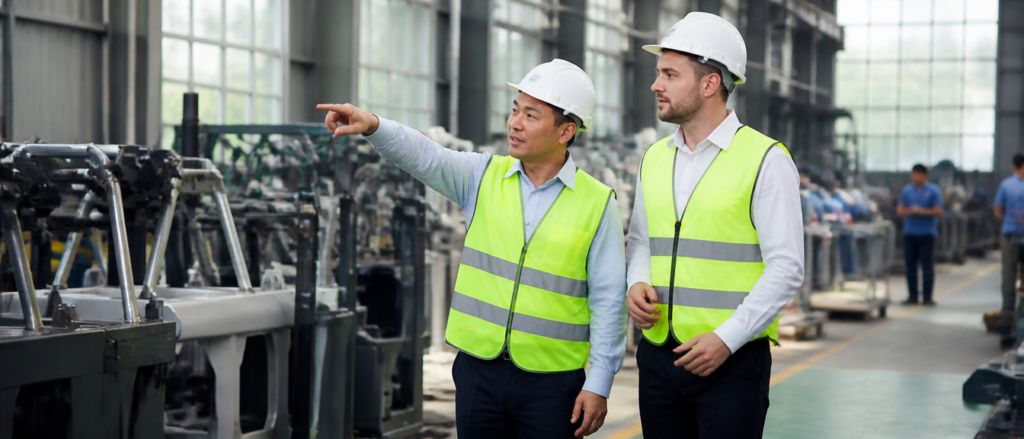
لا شيء يضاهي زيارة المصنع فعليًّا كاستثمار في بناء العلاقات. فزيارة منشأة التصنيع — لا سيما بحضور كبار المسؤولين من كلا الجانبين — تخلق نوعًا من الترابط والتفاهم المتبادل لا يمكن لأي عدد من رسائل البريد الإلكتروني أو مكالمات الفيديو أن يحاكيه. فمديرو الإنتاج والمهندسون وموظفو مراقبة الجودة الذين التقوا بفريق العلامة التجارية شخصيًا يطورون مستوى مختلفًا من الشعور بالمسؤولية تجاه منتجات العميل. كما تزود الزيارة المشتري بمعرفة مباشرة لا تقدر بثمن حول القدرات الحقيقية للمصنع وثقافته التشغيلية وأسلوب إدارته — وهي معلومات لا يمكن استخلاصها من الوثائق وحدها.
بالنسبة لعلامات تجارة معدات اللياقة البدنية التي تستورد منتجاتها من تايوان على وجه التحديد، فإن تنظيم زيارات المصانع أمر سهل، كما أن الشركات المصنعة الراسخة ترحب بها بشكل عام. ونحن نشجع جميع شركائنا من مصنعي المعدات الأصلية (OEM) على زيارة منشأتنا مرة واحدة على الأقل سنويًّا — فالفهم الذي توفره هذه الزيارة لعملية التصنيع لدينا، وثقافة الجودة التي نتبناها، وفريق العمل لدينا، يؤدي بشكل مباشر إلى تحسين جودة وكفاءة كل تفاعل لاحق. تعرف على المزيد حول فلسفتنا في التصنيع من خلال نبذة عن الشركة.
المرحلة الثالثة: العمق الاستراتيجي — التطوير المشترك والنمو التعاوني
المرحلة الأعلى قيمة في شراكة مع شركة مصنعة لمعدات اللياقة البدنية وهو عندما تبدأ كلتا المؤسستين في الاستثمار المشترك في مستقبل بعضهما البعض. وهنا تتجسد المزايا التنافسية التي لا يمكن للمنافسين الجدد أو نماذج التوريد السلعي محاكاتها.
تطوير المنتجات المشترك
تتمتع العلامات التجارية التي تربطها شراكات تصنيعية وثيقة بمزايا في مجال تطوير المنتجات لا يمكن أن توفرها العلاقات مع مصنعي المعدات الأصلية (OEM) التي تعتمد على المواصفات فقط. وعندما يكرس فريق الهندسة التابع للمصنع جهوده بشكل حقيقي لخط منتجات العميل — نظرًا لتاريخهما الطويل معًا، وفهمهما لموقع العلامة التجارية في السوق ومتطلبات المستخدم النهائي، ومصلحتهما المشتركة في النجاح التجاري للمنتج — تتغير جودة التعاون في مجال التصميم والتصنيع (ODM) بشكل جذري.
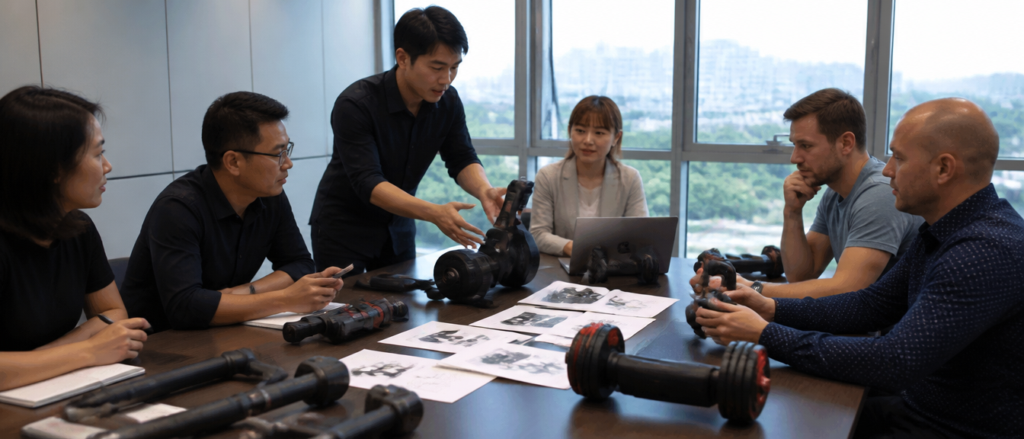
تُنتج مشاريع التطوير المشتركة — التي يعمل فيها مهندسو الشركة المصنعة انطلاقًا من متطلبات الأداء وموجزات السوق المستهدفة بدلاً من الرسومات الفنية النهائية — منتجات أفضل وبسرعة أكبر مقارنة بنقل المواصفات بشكل مستقل. وتُتيح المنظور الهندسي الموجه نحو الإنتاج الذي تتبناه الشركة المصنعة تحديد تحسينات «التصميم من أجل قابلية التصنيع» (DFM) في مرحلة مبكرة، قبل البدء في تصنيع القوالب. كما يتم الكشف عن فرص استبدال المواد التي تقلل التكلفة دون المساس بالأداء. ويتم دمج الابتكارات الهيكلية التي تعكس المعرفة الإنتاجية المتراكمة للشركة المصنعة بشكل استباقي. لدينا خدمات التصنيع حسب الطلب (OEM) / التصميم والتصنيع حسب الطلب (ODM) وقد صُممت خصيصًا لدعم هذا المستوى من التطوير التعاوني للعلامات التجارية التي أرست أسس شراكة حقيقية.
الاستثمار المشترك في الأدوات
تعد الأدوات — مثل قوالب مكونات المطاط والبولي يوريثان، وقوالب منتجات الحديد الزهر، والأجهزة والتركيبات الخاصة بتصنيع الفولاذ الإنشائي — استثمارًا لا مفر منه في أي برنامج لمصنعي المعدات الأصلية (OEM) يتضمن مواصفات منتجات مميزة. في العلاقة التجارية، يتم تمويل الأدوات بالكامل من قبل المشتري، ويتم توثيق ذلك في اتفاقية الإنتاج، وتُعتبر مركز تكلفة. أما في الشراكة الناضجة، فيصبح الاستثمار في الأدوات مورداً مشتركاً يديره الطرفان ويحميانه بشكل فعال.
يقوم بعض شركاء تصنيع المعدات الأصلية (OEM) الراسخين بالاستثمار المشترك في أدوات التصنيع — لا سيما في البرامج ذات الحجم الكبير والممتدة لعدة سنوات، حيث يستفيد المشتري من انخفاض تكلفة أدوات التصنيع الأولية، بينما يستفيد المصنع من حجم الإنتاج المضمون الذي يساهم في استهلاك الاستثمار المشترك. يتطلب نموذج الاستثمار المشترك هذا ثقة متبادلة ووضوحًا تعاقديًا، لكنه يخلق رابطًا هيكليًّا بين المشتري والشركة المصنعة يعزز بشكل ملموس الطابع طويل الأمد للعلاقة.
فئات المنتجات الحصرية وحقوق الوصول الأولي
عادةً ما يكون المصنعون الذين استثمروا بشكل حقيقي في بناء علاقة مع العملاء — من خلال توفير الأدوات، والدعم الهندسي، وإعطاء الأولوية في جدولة الإنتاج، والمعرفة المتراكمة بالمنتج — على استعداد لتقديم ترتيبات حصرية تجارية لفئات أو تصاميم منتجات محددة. وهذا يعني أن المصنع يوافق على عدم إنتاج المنتج نفسه أو منتج مشابه له بشكل جوهري لعلامات تجارية منافسة، مما يحمي تميّز المشتري في السوق.
تعد الحصرية ترتيبًا تجاريًّا قيِّمًا ولكنه حساس، ويجب التعامل معه بحذر. وعادةً ما تتطلب التزامًا من المشتري بحجم معين من الشراء (حد أدنى من الإنتاج السنوي يبرر تخلي المصنع عن فرص إيرادات أخرى)، وتعريفات واضحة لنطاق المنتج، ومدة محددة. وعندما يتم تنظيمه بشكل جيد، فإنه يوفر ميزة تنافسية حقيقية يستحيل تحقيقها من خلال التوريد العادي للسلع.
إدارة النزاعات والتغلب على التحديات في العلاقات مع مصنعي المعدات الأصلية
ستواجه كل علاقة تصنيع طويلة الأمد تحديات. فالتباينات في الجودة، وتأخيرات التسليم، والمناقشات المتعلقة بضغوط التكلفة، والنزاعات حول المواصفات، والتغييرات في الموظفين من كلا الجانبين، كلها أمور لا مفر منها في أي شراكة مع مصنّع المعدات الأصلية (OEM) تمتد لعدة سنوات. وتحدد الطريقة التي يتم بها التعامل مع هذه التحديات ما إذا كانت العلاقة ستتعمق أم ستتآكل.
معالجة المشكلات في وقت مبكر وبشكل مباشر
أسوأ ما يمكن أن يفعله المشتري عند ظهور مشكلة تتعلق بالجودة أو التسليم هو تجنب معالجتها بشكل مباشر، مما يؤدي إلى تراكم الإحباط عبر حوادث متعددة، ثم تصاعد الموقف بشكل مفاجئ. هذا النمط — الشائع في العلاقات التي لم تُرسَ فيها قواعد التواصل — يُضر بشراكة التصنيع، وغالبًا ما يؤدي إلى ردود فعل دفاعية من جانب الشركة المصنعة بدلاً من ردود فعل تعاونية.
أفضل الممارسات هي التدرج المباشر والمبكر في التعامل مع المشكلة، مع التركيز على حلها. “لقد استلمنا الدفعة ووجدنا 3% وحدة بها فجوات في الطلاء عند مفصل المقبض — وإليكم الصور وعدد الوحدات. ما الذي حدث، وكيف يمكننا منع تكراره في الدفعة التالية؟” يتعامل هذا النهج مع الشركة المصنعة كشريك في تحسين الجودة بدلاً من اعتبارها طرفاً مدعى عليه في نزاع متعلق بالجودة. وتستجيب المصانع التي تُدار بشكل جيد لهذا التوجه بشكل إيجابي وتقدم تحليلاً للأسباب الجذرية وخطط إجراءات تصحيحية تعالج المشكلة فعلياً.
الفصل بين الضغوط التجارية وجودة العلاقات
تعد مفاوضات التكاليف جزءًا طبيعيًا من أي علاقة تصنيع مستمرة. ومع نمو أحجام الإنتاج، وتطور أسعار السوق، وتقلب تكاليف السلع الأساسية، يكون لدى كل من المشترين والمصنعين أسباب مشروعة لإعادة النظر في هياكل التكاليف. ويكمن المبدأ الأساسي في إجراء مناقشات التكاليف ضمن إطار تجاري — منظم، ومدعوم بالبيانات، ويجريه جهات اتصال تجارية معينة — منفصل عن العلاقة التشغيلية التي تديرها فرق الإنتاج والهندسة.
إن العلامات التجارية التي تخلط بين الضغوط التجارية والعلاقات التشغيلية — سواء باستخدام قضايا الجودة كوسيلة ضغط في مفاوضات الأسعار، أو بإشراك جهات الاتصال التشغيلية في النزاعات التجارية — تضر بالثقة المهنية التي تجعل التنسيق اليومي في مجال التصنيع يسير على ما يرام. وينبغي إدارة مسارات العلاقات التجارية والتشغيلية من خلال جهات اتصال منفصلة، وإجراؤها على فترات زمنية مناسبة، دون خلطها بشكل تفاعلي.
| مرحلة الشراكة | المدة | المراحل الرئيسية | خصائص العلاقة |
|---|---|---|---|
| المؤهلات | 1–3 طلبات | أول عملية تسليم ناجحة؛ تم التأكد من توافق المواصفات | إثبات الموثوقية، ووضع قواعد التواصل |
| بناء الثقة | السنة الأولى والثانية | تم تبادل التوقعات المتجددة؛ وأُجريت أول عملية تقييم ABR؛ واكتملت زيارة المصنع | بدء منح صفة «العميل المفضل»؛ وبدء منح حق الوصول ذي الأولوية |
| العمق الاستراتيجي | السنوات 2–4 | البدء في عملية التطوير المشترك؛ والنظر في الاستثمار المشترك في الأدوات | شارك فريق الهندسة التابع للشركة المصنعة بشكل استباقي؛ وجرت مناقشة مسألة الحصرية |
| تحالف طويل الأمد | السنة الرابعة فما فوق | التخطيط المتكامل للإنتاج؛ الاتفاقات متعددة السنوات؛ تطوير الأسواق المشترك | الاستثمار المتبادل في نمو كل طرف؛ ميزة تنافسية حقيقية لكلا الطرفين |
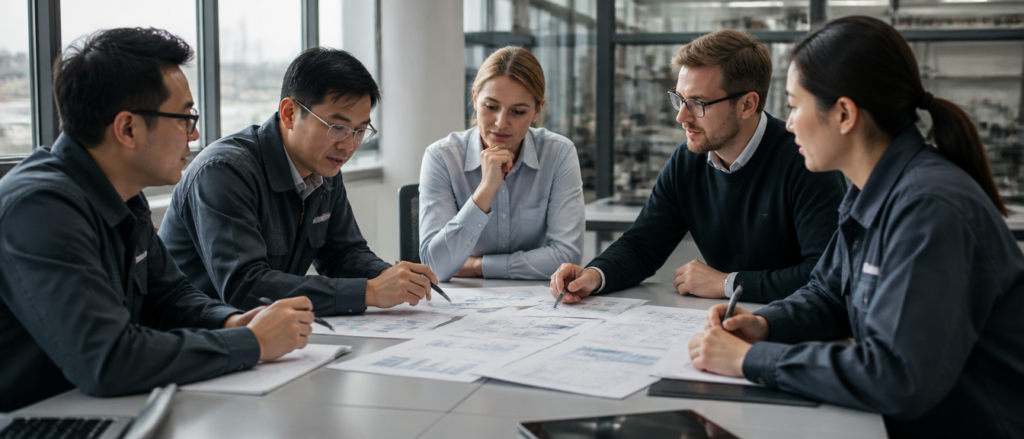
ما يحتاجه مصنعو معدات اللياقة البدنية من شركائهم
الشراكة هي عملية ديناميكية ذات اتجاهين، وفهم ما تقدره الشركة المصنعة في عميل OEM طويل الأمد لا يقل أهمية عن معرفة ما يريده المشتري من هذه العلاقة. استنادًا إلى الخبرة المكتسبة من بناء وإدارة علاقات OEM على مدى عدة عقود، تمثل النقاط التالية السمات التي تقدرها شركات تصنيع معدات اللياقة البدنية دائمًا أكثر من غيرها في عملائها على المدى الطويل:
استقرار المواصفات
يتحمل المصنعون تكاليف كبيرة عندما تتغير مواصفات المنتج في منتصف مرحلة الإنتاج — مثل تعديلات الأدوات، وتغيير المواد، وإعادة تدريب موظفي الإنتاج، وإدارة مخزون المكونات التي تم استبدالها. أما العملاء الذين يستثمرون في تطوير المواصفات بشكل شامل مسبقًا ويحافظون على الاستقرار خلال مراحل الإنتاج، فيقللون من عبء هذه التكاليف بشكل كبير. وعندما تكون التغييرات في التصميم ضرورية، فإن التواصل المبكر — ويفضل أن يكون ذلك قبل بدء الإنتاج — يتيح للمصنع التخطيط لهذا التغيير وتقدير تكلفته بشكل صحيح.
القدرة على التنبؤ بالحجم
يتطلب تخطيط الإنتاج في مصنع معدات اللياقة البدنية تخصيص وقت خطوط الإنتاج والمواد الخام واليد العاملة الماهرة قبل أسابيع أو أشهر من الموعد المحدد. العملاء الذين يقدمون توقعات موثوقة لحجم الطلبات — حتى لو كانت غير ملزمة — يتيحون تخطيطًا أفضل ويحصلون باستمرار على نتائج أفضل في جدولة الإنتاج. أما العملاء الذين تصل طلباتهم بشكل غير متوقع، وبأحجام متفاوتة، وعلى فترات غير منتظمة، فإن تلبية احتياجاتهم تكون بطبيعة الحال أكثر تكلفة، ولذلك يحصلون على معاملة أقل أولوية بشكل متناسب.
الشروط التجارية العادلة
الشركات المصنعة هي مؤسسات تجارية لها هياكل تكلفة خاصة بها، ومتطلبات تدفق نقدي، وأهداف ربحية. والعملاء الذين يدخلون في المفاوضات التجارية وهم على دراية بالجوانب الاقتصادية لشركائهم — بدلاً من التعامل مع كل مفاوضة على أنها فرصة للحصول على أقصى تنازل ممكن — هم الذين يبنون علاقات تدعم استثمار الشركات المصنعة ومشاركتها على المدى الطويل. وفقًا لـ تحليل التعاون مع مصنعي المعدات الأصلية (OEM) الذي أجرته شركة QAD, ، إن عقلية «الفوز المتبادل» ليست مجرد عبارة مبتذلة، بل هي شرط هيكلي لإقامة علاقات مستدامة مع مصنعي المعدات الأصلية — فالمصنعون الذين لا يرون أن هذه العلاقة عادلة من الناحية التجارية سيجدون طرقًا لتقليل أولويتها بمرور الوقت.
| ما الذي يريده المشترون من الشركات المصنعة | ما الذي يقدّره المصنعون في المشترين |
|---|---|
| جدولة الإنتاج حسب الأولوية | توقعات موثوقة لحجم التداول |
| جودة ثابتة عبر جميع الدفعات | مواصفات منتج واضحة وثابتة |
| أسعار تنافسية للوحدة | الدفع في الموعد المحدد، لكل طلب |
| الدعم الهندسي ودعم البحث والتطوير | المفاوضات التجارية القائمة على الاحترام |
| الإنذار المبكر بشأن انقطاعات الإمدادات | الإخطار المبكر بالتغيرات في الطلب |
| المرونة في حالات الطوارئ المتعلقة بمهلة التسليم | التعرف على القيود التي تواجه عملية التصنيع |
| الوصول التفضيلي إلى السعة خلال فترات الذروة | إشارات الالتزام طويل الأجل (العقود، التوقعات) |
كيف تتعامل «ألكسنداف» مع الشراكات طويلة الأمد مع مصنعي المعدات الأصلية
تعمل شركة «ألكسنداف إندستريز» منذ عام 1982 على بناء علاقات طويلة الأمد مع العلامات التجارية والموزعين في مجال اللياقة البدنية بصفتها مصنعًا أصليًّا للمعدات (OEM). وتتسم العلامات التجارية التي ظلت شريكة لنا على مدى عقود عديدة بخصائص مشتركة: فهي تعاملنا كشريك تصنيع حقيقي وليس كمورد يمكن الاستغناء عنه، وتستثمر في وضع مواصفات واضحة، وتزور منشآتنا، وتتفاعل مع فريقنا الهندسي باعتباره موردًا معرفيًا وليس مجرد خدمة إنتاجية.
وفي المقابل، نستثمر في هذه العلاقات بطرق لا يحظى بها العملاء الذين يقتصر تعاملهم معنا على الجانب التجاري البحت: مثل إعطاء الأولوية في جدولة الإنتاج، والتوريد الاستباقي للمواد للحماية من ارتفاعات أسعار السلع الأساسية، والمشاركة الهندسية المبكرة في تطوير المنتجات الجديدة، ومستوى من المرونة التشغيلية أثناء انقطاعات الإمداد لا يتحقق إلا من خلال علاقة مبنية على سنوات من الثقة المتبادلة. إن القدرات التصنيعية وقد صُممت هذه المنتجات خصيصًا لدعم هذا النوع بالذات من الشراكات العميقة والتعاونية مع مصنعي المعدات الأصلية (OEM) عبر خطوط منتجاتنا المتخصصة الثلاثة.
الديناميات الثقافية والعابرة للحدود في شراكات تصنيع المعدات الأصلية (OEM) في مجال معدات اللياقة البدنية
بالنسبة للعلامات التجارية الغربية التي تتعامل مع مصنعين مقرهم تايوان، تتضمن ديناميكية الشراكة بعداً متعدد الثقافات يستحق الإقرار به بشكل مباشر. تتميز ثقافة التصنيع في تايوان بمعاييرها الخاصة في مجالات التواصل واتخاذ القرار وبناء العلاقات والحفاظ على ماء الوجه، وهي معايير تختلف بشكل جوهري عن ثقافة الأعمال في أمريكا الشمالية أو أوروبا. ولا يتطلب فهم هذه الديناميكيات خبرة عميقة — لكن الوعي الأساسي بها يمنع سوء التفسير الذي قد يضر بالعلاقات في مراحلها الأولى.
التواصل غير المباشر ودور «الوجه»
تولي ثقافة الأعمال التايوانية أهمية كبيرة للحفاظ على العلاقات المتناغمة وحفظ ماء الوجه (面子) لجميع الأطراف. ويتجلى ذلك في أنماط التواصل التي قد تبدو غير مباشرة للمشترين الغربيين: فقد لا يقول المصنع “لا” بشكل مباشر عندما يكون الطلب غير واقعي، بل يقدم ردًا مبدئيًا مثل “سنحاول” أو “سنرى ما يمكننا فعله”. تعد قراءة هذه الإشارات بدقة — وفهم أن الرد غير الملزم غالبًا ما يعني “هذا غير ممكن” بدلاً من “ربما” — مهارة مهمة لأي شخص يدير علاقة مع مصنع المعدات الأصلية (OEM) في تايوان.
ويتمثل التطبيق العملي لذلك في طرح أسئلة توضيحية تسهل على الطرف المقابل التعبير بصراحة دون أن يفقد ماء وجهه. فعبارة “إذا كان هذا الجدول الزمني غير قابل للتطبيق، فكيف سيبدو الجدول الزمني الواقعي؟” تحث على إجابة محددة بشكل أكثر فعالية من عبارة “هل يمكنك التسليم بحلول الأول من أكتوبر؟”، التي قد تؤدي إلى التزام متفائل ولكنه غير واقعي.
ثقافة العمل التي تضع العلاقات في المقام الأول
في الثقافة التجارية التايوانية، غالبًا ما تسبق العلاقات الشخصية — التي تُبنى من خلال وجبات الطعام وزيارات المصانع والتواصل المستمر — الثقة التجارية. قد يجد المشترون الذين يتخطون مرحلة بناء العلاقات وينتقلون مباشرةً إلى مفاوضات الصفقات أن طلباتهم تُقابل بتفاعل صحيح ولكنه محدود للغاية. أما أولئك الذين يستثمرون في التعرف على فريق إدارة المصنع، وفهم تاريخ الشركة وقيمها، والتعامل مع التفاعلات باعتبارها فرصًا لبناء العلاقات بدلاً من مجرد تبادلات تجارية بحتة، فإنهم يحققون مستوى مختلفًا تمامًا من التفاعل.
وهذا الأمر ليس مقصوراً على تايوان — بل يتماشى مع ثقافات التصنيع السائدة في جميع أنحاء شرق آسيا — إلا أنه يكتسب أهمية خاصة في سياق الشركات التايوانية الراسخة في مجال التصنيع، التي دأبت على بناء علاقات مع العملاء على مدى عقود عديدة، والتي تعتبر الشراكة طويلة الأمد، وليس حجم المعاملات، المقياس الأساسي لنجاح العلاقة التجارية. إن فهم هذا التوجه الثقافي يساعد المشترين الغربيين على تفسير السلوكيات والإشارات بدقة، وتوجيه جهودهم لبناء العلاقات نحو المجالات الأكثر أهمية.
وتيرة التواصل وسرعة الاستجابة
تستفيد الشراكات الفعالة عبر الحدود مع مصنعي المعدات الأصلية (OEM) من وضع معايير اتصال واضحة في مرحلة مبكرة: أي قناة (البريد الإلكتروني، أو واتساب، أو ويشات، أو مكالمة الفيديو) يُفضل استخدامها لأنواع الاتصال المختلفة؛ وأوقات الاستجابة المتوقعة للاستفسارات الروتينية مقابل القضايا العاجلة؛ ومن هم جهات الاتصال المعينة للمسائل التجارية والتقنية والمتعلقة بالجودة على التوالي. وبدون هذه المعايير، قد تتباين أنماط التواصل الافتراضية لدى كلا الطرفين — مما يؤدي إلى تباين التوقعات بشأن سرعة الاستجابة وتصعيد المشكلات، الأمر الذي يؤدي تدريجيًا إلى تدهور جودة العلاقة.
إن تعيين جهة اتصال رئيسية من جانب المشتري — شخص يتمتع بالسلطة التجارية والفهم الفني لخط الإنتاج — يُحسّن بشكل كبير من كفاءة وعمق العلاقة مع الشركة المصنعة. ففرق إدارة المصنع تولي اهتمامًا أكبر لجهات الاتصال لدى المشتري التي تُظهر معرفة حقيقية بالمنتج وسلطة اتخاذ القرار، مقارنةً بجهات الاتصال التي تضطر إلى إحالة كل سؤال إلى صانع قرار غير متاح.
الأسئلة الشائعة
كم من الوقت يستغرق بناء شراكة حقيقية وطويلة الأمد مع أحد مصنعي معدات اللياقة البدنية بصفته موردًا أصليًّا (OEM)؟
يحدد معظم المصنعين فترة تأهيل تتراوح بين 12 و24 شهراً — تشمل ما بين ثلاثة إلى خمسة أوامر إنتاج — قبل أن يُعتبر العميل شريكاً مفضلاً بحق. ويمكن للسلوكيات المتعمدة لبناء العلاقات (زيارات المصانع، والتوقعات المتجددة، والمراجعات السنوية للأعمال) أن تسرع من هذا الجدول الزمني. وعادةً ما تظهر السمات التي تحدد مرحلة الشراكة — مثل الأولوية في الوصول إلى الطاقة الإنتاجية، والمشاركة في التطوير المشترك، والاستثمار المشترك في الأدوات — في السنة الثانية إلى الرابعة من علاقة نشطة ومُدارة بشكل جيد.
ما هو أهم شيء يمكن لعلامة تجارية متخصصة في مجال اللياقة البدنية أن تفعله لتصبح عميلاً مفضلاً لدى الشركة المصنعة الأصلية (OEM)؟
يُعد الاتساق والشفافية أكثر سلوكيات العملاء تقديرًا على الصعيد العالمي. إن تقديم توقعات موثوقة ومتجددة لحجم الطلبات، والإبلاغ عن التغييرات في وقت مبكر بدلاً من الرد عليها بشكل تفاعلي، والسداد في الموعد المحدد دون استثناء، ومعاملة فريق الشركة المصنعة باحترام مهني، هي الركائز الأساسية التي تُبني عليها مكانة العميل المفضل — بغض النظر عن حجم الطلب. ولا تتطلب هذه السلوكيات سوى الانضباط المؤسسي، لكنها تولد قدرًا هائلاً من النوايا الحسنة.
هل ينبغي أن نبرم اتفاقية شراكة رسمية مع الشركة المصنعة لمعدات اللياقة البدنية التي نتعامل معها؟
توفر اتفاقية التوريد الرسمية متعددة السنوات — التي تشمل الشروط التجارية، ومعايير الجودة، وحماية الملكية الفكرية، والتزامات الحد الأدنى للكميات، وإجراءات التصعيد — هيكلاً قانونياً مهماً للشراكة الاستراتيجية. فهي تعبر عن الالتزام، وتوفر الوضوح التعاقدي بشأن القضايا الحاسمة، وتُنشئ إطاراً لحل النزاعات التجارية دون الإضرار بالعلاقة التشغيلية. وبالنسبة للعلاقات التي تدخل مرحلة العمق الاستراتيجي (السنة الثانية أو ما بعدها)، يُنصح عمومًا بوضع إطار رسمي.
كيف يمكننا التعامل مع الخلافات المتعلقة بالجودة دون الإضرار بالشراكة؟
معالجة مشكلات الجودة في مرحلة مبكرة وبشكل مباشر، مع التركيز على حل المشكلات بدلاً من إلقاء اللوم. تقديم وثائق محددة — مثل الصور الفوتوغرافية، وعدد الوحدات، وقياسات الانحرافات — وتركيز النقاش على الأسباب الجذرية والإجراءات التصحيحية بدلاً من تحديد المسؤولية. أجرِ المناقشات المتعلقة بالجودة من خلال جهات الاتصال المعنية بالجودة المعينة من كلا الجانبين، بشكل منفصل عن العلاقة التجارية، واميز بين مشكلات الجودة النظامية (التي تتطلب خططًا تصحيحية رسمية) والحوادث المعزولة (التي يمكن حلها من خلال الاستبدال أو منح رصيد).
هل يمكننا تطوير منتجات حصرية من معدات اللياقة البدنية بالتعاون مع الشركة المصنعة التي تعمل بنظام التصنيع حسب الطلب (OEM)؟
نعم، ستنظر معظم الشركات المصنعة الراسخة في إبرام اتفاقيات حصرية للمنتجات مع العملاء الذين يلتزمون بحجم مبيعات كافٍ ولديهم تاريخ شراكة راسخ. وعادةً ما تقتصر الحصرية على تصاميم محددة أو فئات منتجات معينة أو مجموعات أدوات معينة، بدلاً من تطبيقها على نطاق واسع. وتتطلب الحصرية التزامًا بحد أدنى من حجم الإنتاج السنوي، ووثائق واضحة تتعلق بالملكية الفكرية، ومدة محددة. ناقش إمكانيات الحصرية بعد مرور 12 إلى 18 شهرًا من الإنتاج الفعّال — فهذه هي الخطوة التالية الطبيعية للشراكات التي تُظهر عمقًا تجاريًا.
الخلاصة
بناء علاقة حقيقية شراكة مع شركة مصنعة لمعدات اللياقة البدنية وهو استثمار على المدى المتوسط إلى الطويل يدر عوائد مركبة: انخفاض التكاليف الفعلية للوحدة، وتقصير المدد الزمنية الفعلية للتنفيذ، وتحسين جودة المنتج، وتسريع دورات التطوير، ومرونة سلسلة التوريد التي لا يمكن للمنافسين الذين يعتمدون على التوريد المعتمد على المعاملات الفردية محاكاتها. والاستثمار المطلوب — وهو التواصل المستمر، والتوقعات الشفافة، وزيارات المصانع، والالتزام بالإنصاف التجاري المتبادل — هو استثمار تنظيمي أكثر منه مالي.
تتفوق العلامات التجارية التي تُقيم هذه الشراكات باستمرار على تلك التي تعامل التصنيع كمدخل سلعي. إذا كنت مستعدًا لتجاوز مرحلة التوريد القائم على المعاملات الفردية وبناء علاقة منظمة وطويلة الأمد مع مصنعي المعدات الأصلية (OEM)،, تواصل مع فريقنا لبدء المحادثة. نحن نبني شراكات دائمة مع العلامات التجارية والموزعين في مجال اللياقة البدنية منذ أكثر من أربعة عقود — وننظر إلى كل علاقة جديدة بنية إقامة العلاقة التالية.