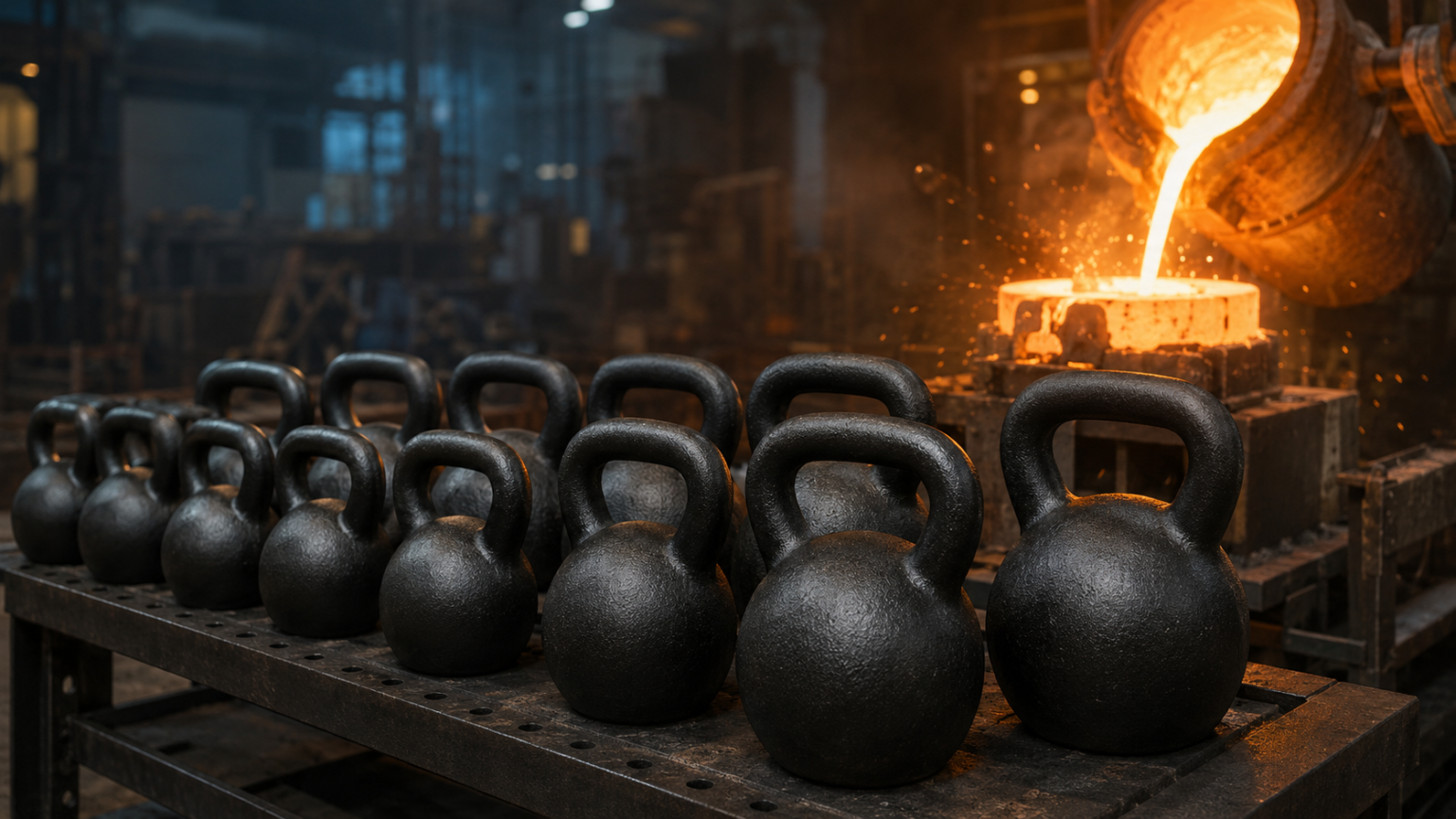
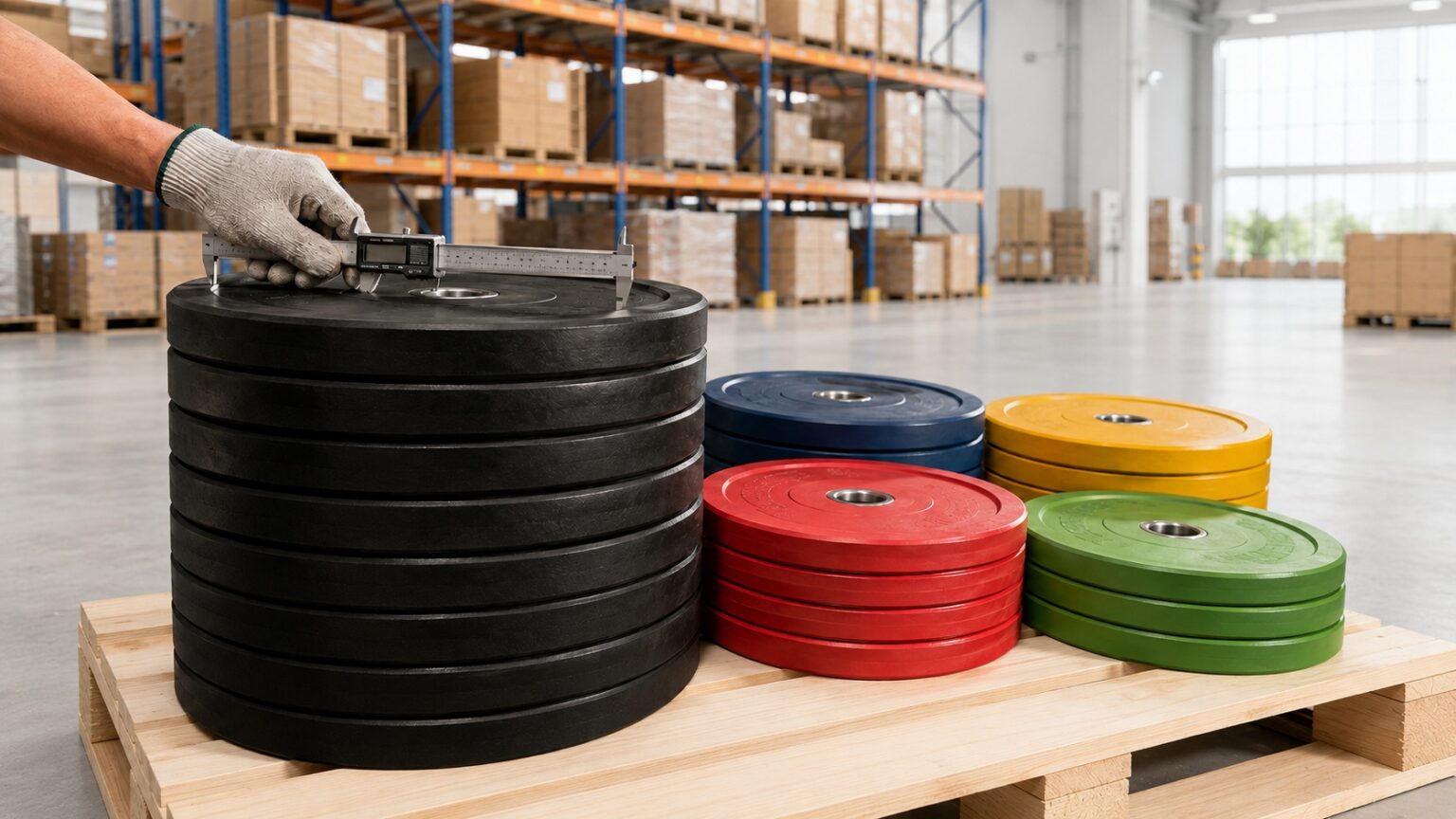
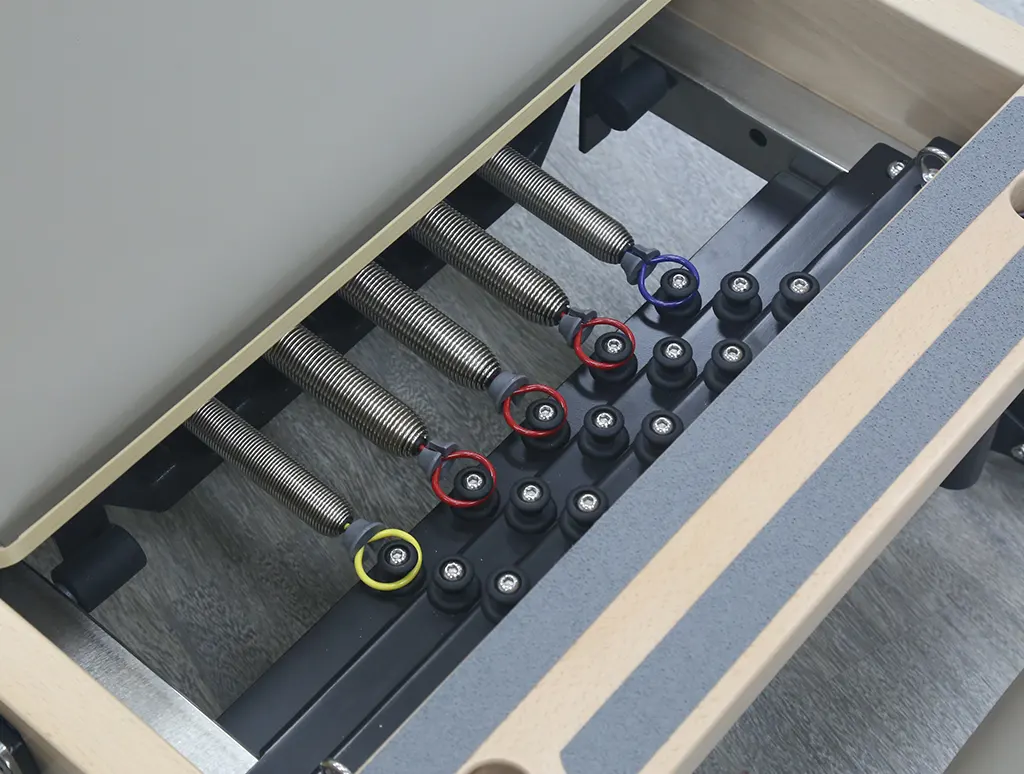
بالنسبة لعلامات اللياقة البدنية والموزعين الذين يحصلون على منتجاتهم من خلال شركاء تصنيع OEM، يُعد فهم ما يحدث في نهاية عملية الإنتاج — بعد اكتمال التصنيع وقبل تعبئة المنتجات وشحنها — أحد أهم جوانب إدارة جودة سلسلة التوريد. يُعرف «التحكم في جودة المنتجات الصادرة» (OQC) عالميًا بأنه عملية الفحص والتحقق الرسمية التي تُطبق على المنتجات النهائية قبل خروجها من المصنع. وهي الفرصة الأخيرة لتحديد المنتجات غير المطابقة للمواصفات قبل وصولها إلى العميل.
التفتيش النهائي (OQC) ليس مجرد طريقة تفتيش واحدة، بل هو عملية منظمة تشمل التحقق من الأبعاد، وتقييم المظهر، واختبار الأداء الوظيفي، ودقة الوزن، والامتثال لمعايير وضع الملصقات، وسلامة التغليف — ويتم تطبيق كل ذلك من خلال خطة أخذ عينات صالحة إحصائيًا ومعايرة وفقًا لمستوى تحمل مخاطر العيوب الخاص بفئة المنتج. وعندما تُجرى عملية OQC بشكل سليم، فإنها توفر دليلاً موثقاً على أن دفعة الإنتاج تفي بالمواصفات المتفق عليها. أما في حالة غيابها أو إجرائها بشكل غير ملائم، فإن مشاكل الجودة التي كان من الممكن اكتشافها في المصنع يتم اكتشافها من قبل المشتري أو العميل النهائي، أو — في أسوأ الأحوال — بعد وقوع ضرر تجاري أو إجراء تفتيش تنظيمي.
يشرح هذا الدليل ماهية «التفتيش النهائي للجودة» (OQC)، وكيف يندرج ضمن نظام إدارة الجودة الأوسع نطاقاً في مصنع معدات اللياقة البدنية، وما هي أنشطة التفتيش المحددة التي يغطيها، وكيف ينبغي لمشتري معدات اللياقة البدنية تحديد متطلبات «التفتيش النهائي للجودة» والتحقق منها في برامج التوريد الخاصة بمصنعي المعدات الأصلية (OEM).
إطار عمل مراقبة الجودة ذو المراحل الثلاث: مكانة مراقبة الجودة الخارجية (OQC) فيه
يُعد «التحكم في الجودة عند الخروج» (OQC) المرحلة الثالثة والأخيرة من نظام شامل لمراقبة الجودة في المصنع. ولفهم «التحكم في الجودة عند الخروج» فهماً صحيحاً، يجب النظر إليه في سياق المرحلتين اللتين تسبقانه.
IQC — مراقبة جودة الواردات يُطبق هذا الفحص على المواد الخام والمكونات والوحدات الفرعية فور وصولها إلى المصنع من الموردين. وفي مجال تصنيع معدات اللياقة البدنية، يشمل فحص الجودة عند الاستلام (IQC) قضبان الفولاذ، والمسبوكات اللوحية، وقطع المطاط الخام، ومكونات التجهيزات (الأطواق، والأغطية الطرفية، وجلب الأكمام)، والوحدات الفرعية المشتراة. يتحقق فحص مراقبة الجودة الداخلي (IQC) من أن المواد الواردة تفي بالمواصفات قبل دخولها عملية الإنتاج. ويخاطر المصنع الذي يقبل مواد خام غير مطابقة للمواصفات بسبب تخطي مرحلة مراقبة الجودة الداخلي (IQC) بتصنيع دفعة إنتاج كاملة بمكونات معيبة — وهي مشكلة قد لا تظهر إلا عند مرحلة مراقبة الجودة النهائية (OQC) أو في الميدان.
IPQC — مراقبة الجودة أثناء العملية يتم تطبيقه أثناء التصنيع عند نقاط فحص محددة ضمن تسلسل الإنتاج. وتجرى عمليات فحص مراقبة الجودة أثناء الإنتاج (IPQC) بعد العمليات التصنيعية الحاسمة — بعد عملية الطرق، وبعد التشغيل الآلي، وبعد اللحام، وبعد المعالجة السطحية، وبعد التجميع — للكشف عن أي انحراف في العملية أو عدم مطابقة للمواصفات قبل أن تضيف العمليات اللاحقة المزيد من القيمة إلى قطعة معيبة. يُعد نظام مراقبة الجودة أثناء الإنتاج (IPQC) المرحلة التي تمنع تراكم العيوب عبر سلسلة الإنتاج. فالمصنع الذي لا يطبق نظام مراقبة الجودة أثناء الإنتاج (IPQC) ينتج دفعات كاملة قبل اكتشاف أي مشكلة؛ بينما المصنع الذي يطبق هذا النظام يكتشف المشكلات ويصححها في الوقت الذي لا يتأثر فيه سوى جزء ضئيل من الدفعة.
OQC — مراقبة جودة المنتجات الصادرة يقوم بفحص المنتجات النهائية وفقًا لمواصفات المنتج المتفق عليها قبل الشحن. ولا يُعد فحص الجودة النهائي (OQC) بديلاً عن فحص الجودة الداخلي (IQC) وفحص الجودة أثناء الإنتاج (IPQC) — بل هو التحقق النهائي من أن نظام الجودة قد عمل بشكل صحيح طوال عملية الإنتاج. يكتشف فحص الجودة النهائي (OQC) أي حالات عدم مطابقة أفلتت من رصد فحص الجودة الداخلي (IQC) وفحص الجودة أثناء الإنتاج (IPQC)، ويقدم دليلاً موثقاً على حالة مطابقة المنتج عند نقطة الشحن. وهو بمثابة بوابة الجودة التي تقف بين أرضية المصنع ورصيف استلام المشتري.
ما الذي يشمله فحص OQC لمعدات اللياقة البدنية
نطاق فحص مراقبة الجودة النهائية (OQC) لمعدات اللياقة البدنية واسع النطاق، حيث يشمل المعايير المادية والوظيفية والوثائقية. وعادةً ما تتناول عملية مراقبة الجودة النهائية (OQC) الفعالة لدفعة إنتاج معدات اللياقة البدنية الفئات التالية.
فحص الأبعاد
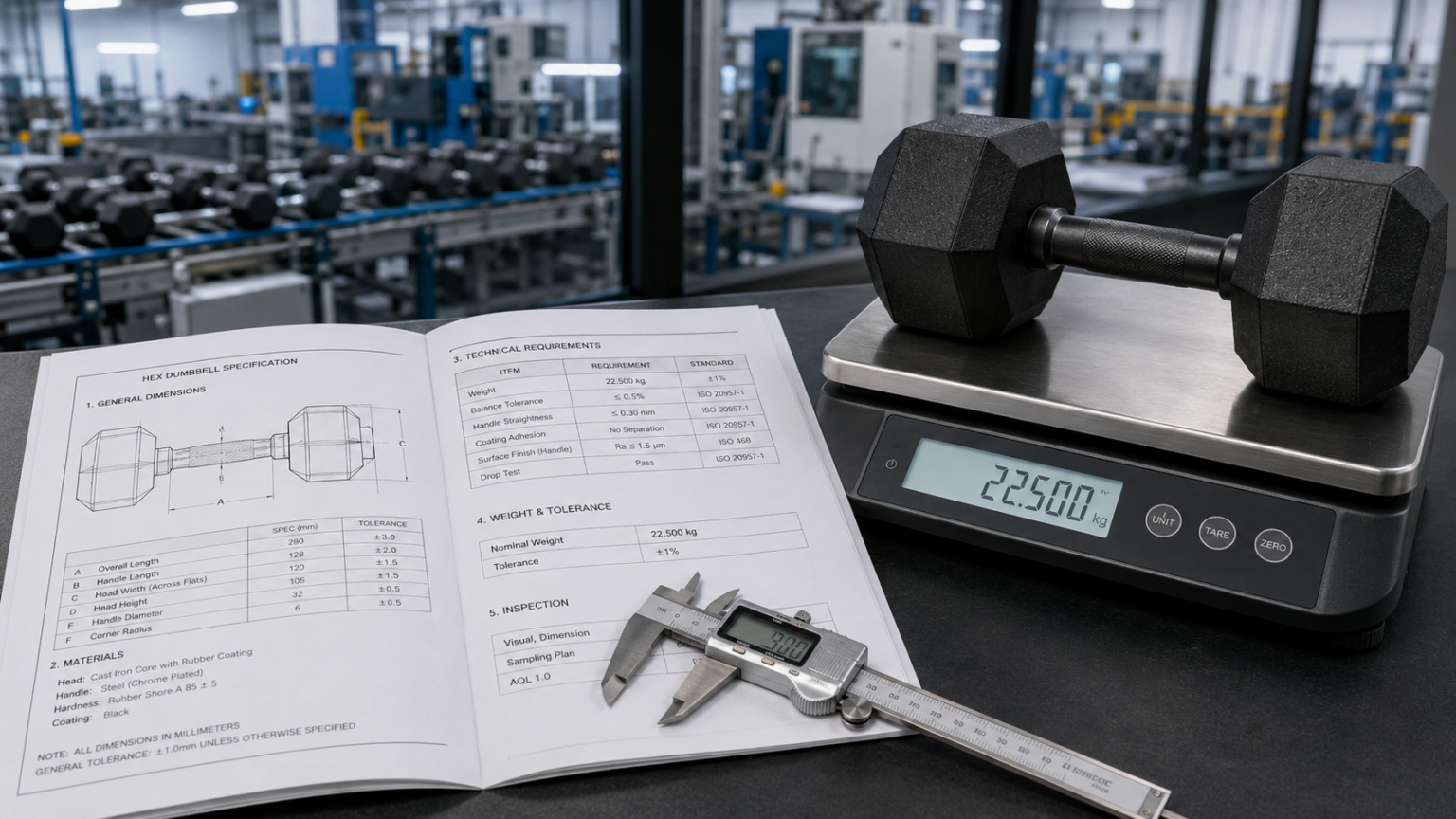
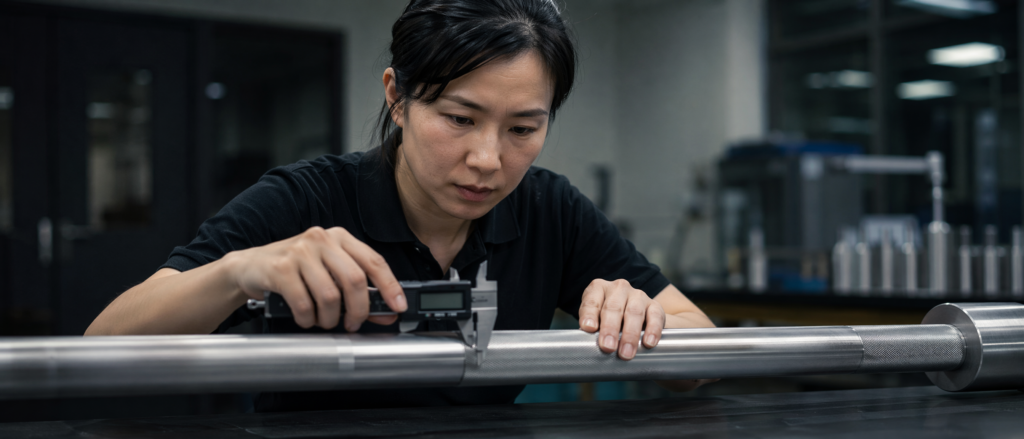
يتم التحقق من الأبعاد الرئيسية مقارنةً بمواصفات المنتج باستخدام أدوات قياس معايرة. بالنسبة للباربل، يشمل ذلك قطر العمود، وعمق النقش وأبعاد النمط، والقطر الخارجي للغطاء، والطول الإجمالي. أما بالنسبة لألواح الأوزان، فيشمل ذلك القطر الخارجي، والسماكة، وقطر التجويف، والوزن (الكتلة). أما بالنسبة للدمبلز، فتشمل قياسات قطر المقبض، وأبعاد الرأس، والتوازن العام. ويؤدي عدم مطابقة الأبعاد — مثل قطر التجويف في صفيحة الوزن الذي يكون ضيقًا جدًّا أو غلاف قضيب الحديد الذي يكون أصغر من المقاس المطلوب — إلى عدم التوافق الوظيفي، ويُصنف على أنه عيب رئيسي يستلزم رفض الدفعة بأكملها.
دقة قياس الوزن (الكتلة)
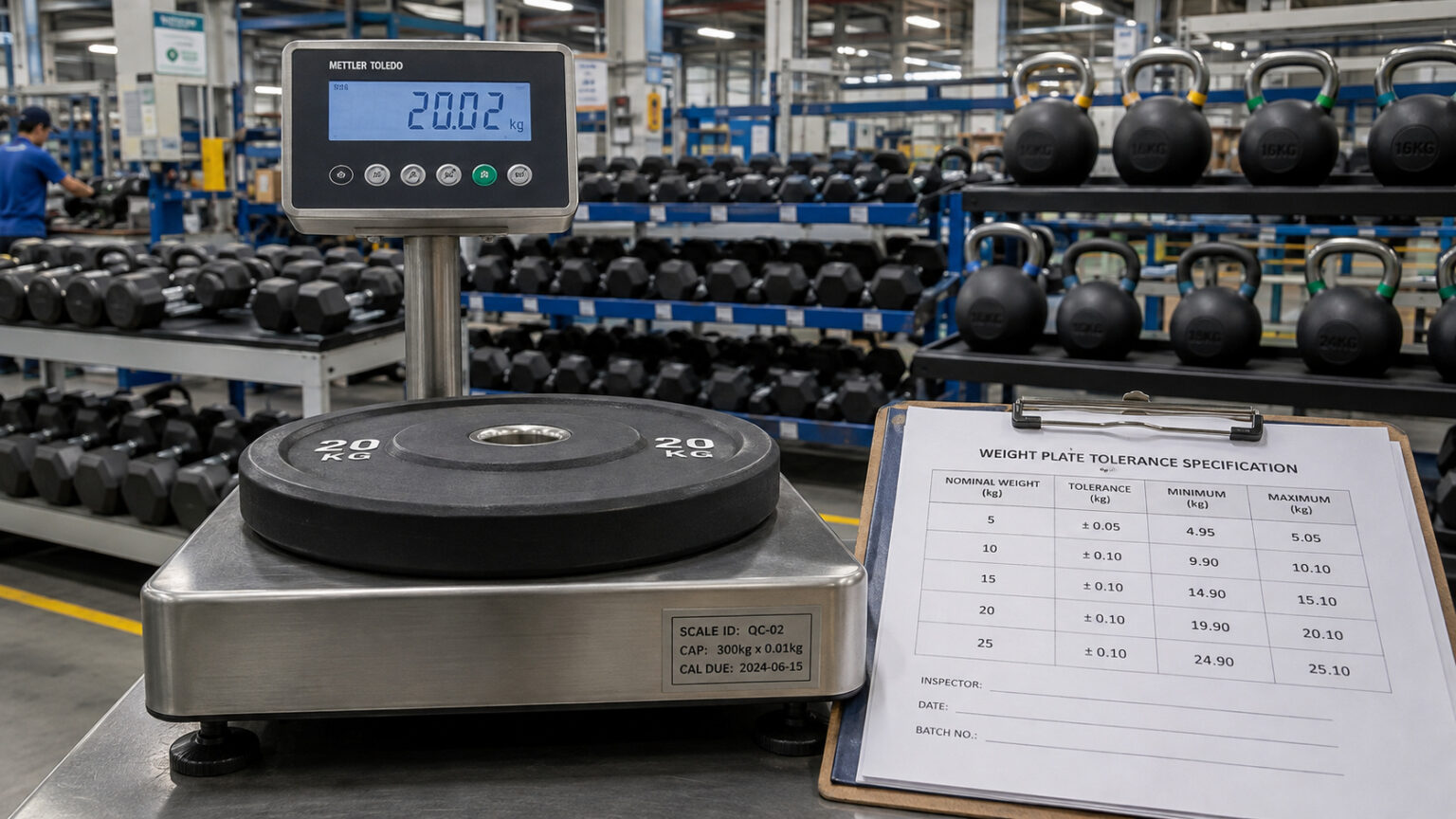
تعد دقة الوزن من المواصفات الحاسمة لجميع منتجات الأوزان الحرة. يجب أن تكون الألواح والدمبلز والكيتلبيلز ضمن التفاوت المسموح به المحدد لوزنها المُشار إليه. عادةً ما تسمح المعايير التجارية القياسية بتفاوت يبلغ ±3% عن الوزن المحدد؛ أما الألواح المعايرة المخصصة للمسابقات فيجب أن تكون ضمن تفاوت يبلغ ±10 جرامات أو ±0.1% وفقًا لمعايير الاتحاد المعمول بها. ويستخدم التحقق من الوزن في مرحلة فحص الجودة النهائي (OQC) موازين معايرة قابلة للتتبع وفقًا لمعايير القياس الوطنية. يُعد الانحراف في الوزن عن نطاق التفاوت المسموح به عيبًا جسيمًا — فالمشتري الذي يبيع قرصًا “20 كجم” يزن 19.1 كجم يواجه مشكلة في وضع العلامات الخاطئة على المنتج، مما يترتب عليه آثار تجارية وتنظيمية.
المظهر وجودة السطح
يُجري الفحص البصري لأسطح المنتجات النهائية تحديد عيوب المظهر وفقًا لمعيار تصنيف العيوب المحدد. بالنسبة لمعدات اللياقة البدنية، تشمل فئات عيوب المظهر عادةً ما يلي: فجوات أو ثغرات في الطلاء (مناطق تفتقد فيها طبقة الطلاء المسحوق)، أو ظهور فقاعات أو تقشر في الطلاء، أو الصدأ السطحي أو التآكل على الأسطح غير المطلية، أو مسامية الصب الظاهرة على السطح، أو رذاذ اللحام أو علامات الصقل غير المقبولة وفقًا للمواصفات، وعدم انتظام نمط التخشين. ويحدد تصنيف كل نوع من أنواع العيوب — سواء كانت حرجة (تشكل خطرًا على السلامة)، أو كبيرة (تؤثر على الوظيفة أو تسبب تأثيرًا جماليًا كبيرًا)، أو طفيفة (تجميلية، وبالكاد يمكن ملاحظتها) — دقة أخذ العينات ومعايير القبول المطبقة عليها.
الاختبار الوظيفي
يهدف الاختبار الوظيفي إلى التحقق من أن المنتج يؤدي وظيفته المقصودة بشكل صحيح. وبالنسبة للباربل، يشمل ذلك التحقق من أن الجلبة تدور بسلاسة ضمن نطاق عزم الدوران المحدد، وأن أنظمة الأطواق تعمل وتُفك بشكل صحيح، وأن النقش يوفر ملمسًا مناسبًا للإمساك. أما بالنسبة للدمبل القابلة للتعديل، فيجب أن تعمل آليات التحديد بسلاسة في جميع أوضاع الأوزان. بالنسبة لأنظمة الرفوف، يجب أن تعمل آليات الدبوس وتتحمل الحمل بشكل صحيح، كما يجب أن تعمل ميزات الأمان وفقًا للتصميم. تُصنف الأعطال الوظيفية على أنها عيوب كبيرة أو حرجة اعتمادًا على الآثار المترتبة على السلامة.
الامتثال لقواعد وضع العلامات والوسم
يجب أن تتوافق ملصقات المنتجات مع مواصفات الشراء واللوائح السوقية المعمول بها. ويشمل التحقق الذي تجريه وحدة مراقبة الجودة الداخلي (OQC) دقة علامات الوزن على الألواح والدمبلز والكيتلبيلز؛ ووجود تحذيرات السلامة المطلوبة؛ والامتثال لمتطلبات وضع ملصقات بلد المنشأ؛ ودقة رموز UPC/EAN إن وجدت. بالنسبة للمنتجات التي تُباع تحت العلامة التجارية الخاصة بالمشتري، يجب التحقق من صحة ملصقات العلامة التجارية مقارنةً بالتصميم الفني المعتمد للملصق. وعادةً ما تُصنف الملصقات غير الصحيحة أو المفقودة على أنها عيوب جسيمة لأنها تؤثر على الامتثال القانوني للمنتج لبيعه في السوق المقصودة.
فحص العبوات
يؤكد فحص التغليف أن المنتج معبأ في عبوة معتمدة، وأن سلامة التغليف كافية لحماية المنتج أثناء النقل، وأن العلامات الموجودة على الكرتون الخارجي صحيحة وواضحة. بالنسبة لمعدات اللياقة البدنية الثقيلة — مثل الحديد، ومجموعات الأوزان، ومكونات الرفوف — فإن ملاءمة هيكل التغليف أمر مهم: فالتغليف غير المصمم بشكل جيد يتلف أثناء النقل ويؤدي إلى مطالبات بالتعويض عن الأضرار التي يتعين على الشركة المصنعة للمعدات الأصلية والمشتري حلها. يجب أن يتضمن فحص التغليف في مرحلة مراقبة الجودة النهائية (OQC) اختبار السقوط أو اختبار الضغط لعينات من وحدات التغليف إذا كان تلف الشحن يمثل مشكلة متكررة في الماضي.

أخذ العينات وفقًا لمعيار الجودة المقبول (AQL): الأساس الإحصائي لمراقبة الجودة في مرحلة الإنتاج (OQC)
لا يمكن لقسم مراقبة الجودة النهائية (OQC) عمليًّا فحص كل وحدة في دفعة الإنتاج — فشحنة مكونة من 2,000 قضيب حديد لا يمكن فحصها بشكل فردي في إطار زمني وميزانية معقولين. وبدلاً من ذلك، يطبق قسم مراقبة الجودة النهائية خطط أخذ عينات مصممة إحصائيًّا لفحص عينة تمثيلية من الدفعة واستخلاص استنتاجات حول جودة الدفعة بأكملها من نتائج العينة.
الإطار القياسي لأخذ العينات حسب السمات في OQC هو ISO 2859-1 (ما يعادل ANSI/ASQ Z1.4)، الذي يوفر جداول أخذ العينات لعمليات الفحص التي تُصنف فيها العناصر على أنها مطابقة للمواصفات أو غير مطابقة. والمعلمة الرئيسية في هذه الجداول هي AQL — مستوى الجودة المقبول — الذي يحدد الحد الأقصى لمعدل العيوب الذي يُعتبر مقبولاً في المجموعة التي يتم أخذ العينات منها.
عادةً ما تتبع قيم AQL المستخدمة في فحص معدات اللياقة البدنية هيكلًا متدرجًا حسب خطورة العيب: AQL 0.65 للعيوب الحرجة (المتعلقة بالسلامة)، وAQL 1.0 للعيوب الكبرى (الوظيفية أو الجمالية الهامة)، وAQL 2.5 أو 4.0 للعيوب الطفيفة (التجميلية، التي تكاد لا تُلاحظ). وتعني هذه القيم أنه عند مستوى AQL المحدد، ستقبل خطة أخذ العينات الدفعة التي تحتوي على معدل العيوب هذا في حوالي 95% من الحالات — وسترفضها في حوالي 5% من الحالات حتى لو كان معدل العيوب الفعلي يساوي مستوى AQL. وقد صُمم النظام للحماية من الدفعات التي تزيد معدلات العيوب فيها بشكل كبير عن مستوى AQL.
بالنسبة لدفعة إنتاج تبلغ 2,000 وحدة، فإن أخذ العينات وفقًا لمستوى الفحص العام الثاني (General Inspection Level II) بموجب المعيار ISO 2859-1 يتطلب فحص ما يقارب 125 وحدة (حرف رمز حجم العينة L). يتم تحديد أرقام القبول والرفض — أي الحد الأقصى لعدد العيوب في العينة التي تؤدي إلى قبول الدفعة أو رفضها — وفقًا لمستوى AQL ويتم قراءتها من جدول أخذ العينات. وإذا حدد المشتري مستوى AQL 1.0 للعيوب الرئيسية في هذه الدفعة، فسيقبل الدفعة في حالة العثور على 3 عيوب رئيسية أو أقل في العينة المكونة من 125 وحدة، ويرفضها في حالة العثور على 4 عيوب رئيسية أو أكثر.
إن فهم الحسابات الرياضية لمؤشر AQL يتيح للمشترين تقييم مدى تعرضهم لمخاطر الجودة. فالتحديد قيمة AQL أكثر صرامة (رقم أقل) يزيد من احتمالية رفض الدفعات ذات الجودة الحدية، ولكنه يزيد أيضًا من احتمالية رفض الدفعات الجيدة. أما تحديد قيمة AQL أكثر مرونة، فيقلل من صرامة الفحص ويزيد من مخاطر قبول دفعات ذات معدلات عيوب أعلى. يُعد تحديد قيمة AQL الصحيحة قرارًا يتعلق بإدارة المخاطر يجب اتخاذه بعناية، ولا ينبغي الاكتفاء بما تطبقه المصانع كمعيار افتراضي.
وثائق OQC: ما يجب على المشترين طلبه
ينبغي أن يكون ناتج عملية فحص الجودة عند الاستلام (OQC) تقرير فحص رسمي يقدم أدلة موثقة على أنشطة الفحص التي تم إجراؤها، وحجم العينة، والعيوب المكتشفة، وقرار التصرف (القبول أو الرفض). والمشترون الذين يستلمون شحنات دون تقرير فحص OQC من الشركة المصنعة يقبلون المنتج دون أدلة موثقة على الجودة — وهو موقف يعرضهم لمخاطر جودة غير موثقة ويحد من خياراتهم في حالة نشوب نزاع حول الجودة.
يجب أن يتضمن تقرير الفحص الكامل للجودة عند الاستلام (OQC) ما يلي: رقم أمر الشراء أو أمر الإنتاج؛ وكمية الإنتاج وحجم عينة الفحص؛ وتاريخ الفحص وأسماء المفتشين؛ ومعايير مستوى الجودة المقبول (AQL) المطبقة على كل فئة من العيوب؛ ونتائج الفحص حسب الفئة (عدد الوحدات التي تم فحصها، وعدد العيوب المكتشفة حسب النوع)؛ بيانات القياس الخاصة بالمعلمات الحجمية والوزنية الحرجة (ليس مجرد «مقبول/غير مقبول»، بل القيم الفعلية المقاسة)؛ صور فوتوغرافية لأي عيوب تم اكتشافها؛ والتصرف النهائي في الدفعة — مقبولة، مرفوضة، أو مقبولة بشروط مع متطلبات إعادة تصنيع محددة.
ينبغي على المشترين مراجعة تقارير مراقبة الجودة قبل الشحن (OQC) قبل الموافقة على الإفراج عن الشحنة، وليس بعد استلام البضائع. فمراجعة التقرير عند استلام البضائع تتعارض مع الغرض من مراقبة الجودة قبل الشحن (OQC) — حيث تكمن قيمة التقرير في تزويد المشتري بأساس مستنير لاتخاذ قرار الإفراج عن الشحنة قبل شحن البضائع وقبل أن يتحمل المشتري المخاطر المالية المتعلقة بتكاليف النقل.
التفتيش من قبل جهة خارجية مقابل مراقبة الجودة النهائية في المصنع
يؤدي فحص الجودة في المصنع (OQC) وفحص ما قبل الشحن الذي تجريه جهة خارجية وظائف مترابطة لكنها متميزة. يتم إجراء فحص الجودة الداخلي (OQC) في المصنع من قبل موظفي الجودة التابعين للشركة المصنعة باستخدام معايير وأدوات الفحص الخاصة بالشركة المصنعة. أما الفحص الذي تجريه الجهات الخارجية فيتم من قبل منظمة فحص مستقلة — مثل شركات QIMA أو Bureau Veritas أو SGS أو Intertek — يتم تعيينها من قبل المشتري لإجراء الفحص في المصنع نيابة عنه.
يُجرى فحص الجودة النهائي (OQC) في المصنع قبل الفحص الذي تجريه الجهة الخارجية، وهو شرط أساسي لإجراء هذا الفحص: يجب على المصنع اجتياز فحص الجودة النهائي الخاص به قبل التقدم بطلب لحجز موعد فحص من قبل جهة خارجية. ويُعتبر المصنع الذي يطلب فحصًا من جهة خارجية لمنتج لم يجتز فحص الجودة النهائي الخاص به شريكًا غير جدير بالثقة. يوفر الفحص من قبل طرف ثالث تحققاً مستقلاً من نتائج فحص الجودة الداخلي للمصنع — وهو تقييم محايد من قبل منظمة ليس لها مصلحة تجارية في النتيجة. وفقاً لـ إطار عمل شركة «كيما» لفحص البضائع قبل الشحن, ، وعادةً ما يتم إجراء الفحص القياسي قبل الشحن عندما يتم الانتهاء من إنتاج ما لا يقل عن 80% من دفعة الإنتاج وتعبئة 100% من البضائع — مما يتيح فحص عينة تمثيلية من إجمالي الإنتاج.
بالنسبة للعلاقات الجديدة مع الموردين، يُوصى بشدة بإجراء فحص ما قبل الشحن من قبل طرف ثالث لأوامر الإنتاج الأولية، بغض النظر عن ادعاءات المورد بشأن جودة المنتج النهائي (OQC) في مصنعه. وتعتبر التكلفة — التي تتراوح عادةً بين 300 و600 دولار أمريكي لكل يوم فحص — ضئيلة مقارنةً بتكلفة استلام شحنة غير مطابقة للمواصفات من معدات اللياقة البدنية. أما بالنسبة للعلاقات الراسخة مع الموردين الذين يتمتعون بسجل حافل من الأداء المتسق في مجال مراقبة الجودة النهائية (OQC)، فيمكن للمشترين تقليل وتيرة الفحص الذي تجريه الجهات الخارجية، ولكن يجب عليهم الحفاظ على عمليات التدقيق الدورية بدلاً من إلغاء التحقق المستقل تمامًا.
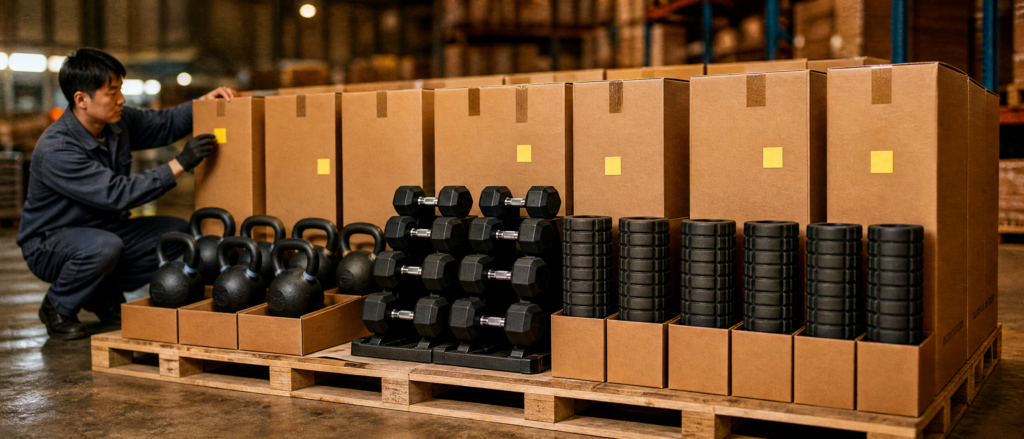
تقييم قدرات المورد في مجال مراقبة الجودة عند الاستلام (OQC) أثناء عملية التوريد
ينبغي أن يكون تقييم قدرات مراقبة الجودة في المصنع (OQC) لدى الشريك المحتمل من مصنعي المعدات الأصلية (OEM) جزءًا أساسيًا من عملية تأهيل الموردين. فطرح الأسئلة الصحيحة أثناء تقييم المصنع أو تدقيق المورد يكشف ما إذا كان نظام الجودة في المصنع حقيقيًّا أم مجرد شكلية — وهو تمييز لا يتضح إلا بشكل مؤلم بعد حدوث خلل في الجودة التجارية.
السؤال الأول الذي يجب طرحه هو ما إذا كانت عملية فحص الجودة النهائية (OQC) تُجرى بواسطة موظفين متخصصين في مراقبة الجودة أم بواسطة عمال الإنتاج. فالمصنع الذي يتولى فيه الفريق نفسه الذي يقوم بتجميع المنتج مسؤولية فحصه أيضًا يعاني من تضارب مصالح متأصل — حيث يتم تحفيز فرق الإنتاج على الحفاظ على معدلات الإنتاج، وليس على اكتشاف العيوب التي تؤدي إلى إعادة العمل أو التأخير. ويتطلب فحص الجودة النهائي (OQC) الموثوق به وجود قسم مخصص لمراقبة الجودة مستقل عن قسم الإنتاج، مع موظفي مراقبة الجودة الذين يقدمون تقاريرهم إلى إدارة الجودة بدلاً من إدارة الإنتاج.
والسؤال الثاني هو ما إذا كانت عملية أخذ العينات في مرحلة فحص الجودة النهائي (OQC) تتبع خطة موثقة ومعايرة وفقًا لمعيار إحصائي معترف به مثل ISO 2859-1. إن الإجابة بعبارة “نقوم بفحص جميع المنتجات قبل الشحن” تشير إلى فحص بنظام 100%، وهو نظام يستهلك موارد كثيرة ويؤدي إلى حدوث أخطاء ناجمة عن الإجهاد عند التعامل مع كميات كبيرة. أما الإجابة التي تفيد بأن “نقوم بفحص العينات” دون الإشارة إلى مستويات AQL محددة وأحجام العينات، فتشير إلى عملية غير رسمية بدلاً من عملية خاضعة للرقابة الإحصائية. يجب أن يكون المصنع قادراً على تحديد مستويات AQL التي يطبقها، وطريقة تحديد حجم العينة، ونطاق الفحص — مع الإشارة إلى وثائق محددة.
السؤال الثالث هو طلب عينات من تقارير فحص الجودة النهائية (OQC) الخاصة بأوامر الإنتاج الحديثة. يمكن للمصنع الذي يحتفظ بوثائق OQC أصلية تقديم هذه التقارير على الفور. يجب أن تُظهر التقارير بيانات القياس الفعلية — وليس مجرد علامات «مقبول» أو «مرفوض» — للمعلمات الحجمية والوزنية الحاسمة، كما يجب أن تُظهر العيوب التي تم اكتشافها أثناء الفحص (حتى لو تم قبول الدفعة). فالمصنع الذي يصدر تقارير OQC تُظهر عدم وجود أي عيوب في كل دفعة، إنما يُعد وثائق من أجل المظهر فقط، وليس كدليل. فالفحص الحقيقي يكشف عن العيوب الحقيقية — والسؤال هو ما إذا كان معدل العيوب ضمن مستوى AQL المقبول.
رابعاً، تأكد من معايرة أجهزة مراقبة الجودة الأولية (OQC). لا تكون قياسات الأبعاد ذات مغزى إلا إذا كانت الأجهزة المستخدمة في إجرائها معايرة وفقاً لمعايير قابلة للتتبع. وأثناء زيارات المصانع، يجب أن تكون شهادات المعايرة الخاصة بالميكرومتر والفرجار ومقاييس التجويف والموازين متوفرة في قسم مراقبة الجودة. وتشير شهادات المعايرة منتهية الصلاحية إلى أن نظام الجودة يعمل خارج المعايير المعتمدة.
ماذا يعني فشل اختبار OQC وماذا يجب فعله
عندما تؤدي نتائج فحص الجودة الداخلي (OQC) إلى رفض دفعة ما — سواء من قِبل قسم فحص الجودة الداخلي بالمصنع أو من قِبل جهة فحص خارجية — يتوفر للمشتري عدة خيارات، اعتمادًا على طبيعة وخطورة حالات عدم المطابقة التي تم اكتشافها.
في حالة تجاوزات العيوب الطفيفة، حيث يكون العيب طفيفًا بالفعل (عيب شكلي، وليس وظيفيًا، ولا يتعلق بالسلامة)، يجوز للمشتري قبول الدفعة مع تنازل موثق بشأن العيب وتعديل في السعر أو الحصول على رصيد من الشركة المصنعة. ولا ينطبق هذا إلا على العيوب الطفيفة، ويجب توثيقه كتابةً، ولا يجوز الاتفاق عليه شفهيًا.
في حالة تجاوز معدلات العيوب بشكل كبير، يتم اتباع الإجراء القياسي المتمثل في فرز الدفعة وفقًا لطريقة 100% — حيث يتم فحص كل وحدة على حدة، ويتم فصل الوحدات المعيبة لإعادة التصنيع أو التدمير. وبعد الفرز وفقًا لإجراء 100%، تُفحص الدفعة التي تم فرزها مرة أخرى وفقًا لخطة أخذ العينات AQL الأصلية للتحقق من مطابقة العينة التي تم فرزها للمواصفات. وعادةً ما يتحمل المصنع تكلفة الفرز وفقًا لإجراء 100%.
في حالة اكتشاف عيوب خطيرة، يجب رفض الدفعة بالكامل. ولا يوجد أي إجراء مناسب غير رفض الدفعة بالكامل في حالة العيوب الخطيرة — تلك التي تشكل خطرًا على سلامة المستخدمين النهائيين. يجب على الشركة المصنعة إجراء تحليل للأسباب الجذرية، وتنفيذ الإجراءات التصحيحية، وإنتاج دفعة جديدة مطابقة للمواصفات قبل الشحن. وتقع التكاليف المترتبة على ذلك — مثل إعادة التصنيع، والفحص الإضافي، وتأخيرات الشحن — على عاتق الشركة المصنعة.
كيفية تحديد متطلبات مراقبة الجودة الأولية (OQC) في عقود المصنّعين الأصليين (OEM)
ينبغي تحديد متطلبات مراقبة الجودة الخارجية (OQC) بشكل صريح في اتفاقيات الشراء مع مصنعي المعدات الأصلية (OEM) أو اتفاقيات ضمان الجودة، بدلاً من ترك الأمر لتقدير المصنع. وتشمل المعايير الرئيسية التي يجب تحديدها ما يلي: معيار الفحص (ISO 2859-1 أو ANSI/ASQ Z1.4)، ومستوى الفحص (المستوى العام الثاني هو المعيار)، قيم AQL حسب فئة العيوب، ونطاق الفحص (المعلمات التي يتم قياسها والمواصفات المطلوبة)، ومتطلبات التوثيق (شكل ومحتوى تقرير الفحص)، والمعيار الذي يستدعي إجراء فحص من قبل طرف ثالث (جميع الطلبات، أو الطلبات الأولية، أو الطلبات التي تتجاوز عتبة قيمة محددة).
يجب أن تشير مواصفات فحص الجودة النهائي (OQC) إلى وثائق مواصفات المنتج — مثل الرسومات الهندسية، أو العينات المعتمدة، أو أوراق مواصفات المنتج — التي تحدد معايير المطابقة التي يتم التحقق منها خلال فحص الجودة النهائي. إن عملية فحص الجودة النهائي التي تفتقر إلى إشارات واضحة إلى مواصفات المنتج تعني قياس المنتج وفقًا لمعايير غير محددة، مما يؤدي إلى نتائج لا معنى لها.
تلتزم شركة «ألكسنداف» ببروتوكولات موثقة لفحص الجودة النهائي (OQC) لجميع فئات المنتجات ضمن نطاق تصنيعنا. يقوم فريق ضمان الجودة لدينا بإجراء فحص مراقبة الجودة النهائية (OQC) على كل دفعة إنتاج قبل الموافقة على الشحن، وتُتاح تقارير الفحص للمشترين كوثائق قياسية. وبالنسبة للعلامات التجارية التي تتطلب ضمانًا إضافيًا، فإننا ندعم إجراء فحوصات من قبل جهات خارجية في منشأتنا بناءً على طلب المشتري. تتوفر تفاصيل عمليات مراقبة الجودة ومعايير التوثيق الخاصة بنا من خلال صفحة خدمات OEM/ODM وـ وثائق القدرات التصنيعية.
IQC مقابل IPQC مقابل OQC: نظرة عامة على سلسلة الجودة الكاملة
| المرحلة | متى يتم تطبيقه | ما الذي يتم فحصه | من الذي يجريها؟ | الغرض الأساسي |
|---|---|---|---|---|
| IQC (الواردات) | عند استلام المواد الخام والمكونات | الفولاذ، المسبوكات، المطاط، الأدوات، المجموعات الفرعية | فريق مراقبة الجودة بالمصنع | منع دخول المواد المعيبة إلى خط الإنتاج |
| مراقبة الجودة أثناء العملية (IPQC) | أثناء الإنتاج عند نقاط فحص محددة | الأبعاد، واللحامات، والمعالجة السطحية، والتجميع في كل مرحلة من مراحل العملية | فريق مراقبة الجودة بالمصنع (موظفون متخصصون، وليسوا عمال إنتاج) | الكشف عن انحراف العملية وتصحيحه قبل أن يؤدي إلى إنتاج دفعة كاملة من المنتجات المعيبة |
| OQC (الصادرة) | على المنتجات النهائية قبل الشحن | كل ما يتعلق بذلك: الأبعاد، والوزن، والمظهر، والوظيفة، ووضع العلامات، والتغليف | فريق مراقبة الجودة في المصنع؛ ويمكن أيضًا الاستعانة بمفتش من جهة خارجية | التحقق من مطابقة المنتج النهائي للمواصفات؛ وتوثيق المطابقة لصالح المشتري |
الأسئلة الشائعة
ما هو الاختصار OQC وما معناه في مجال التصنيع؟
يُشار إلى OQC باختصار لـ «مراقبة جودة المنتجات الصادرة». وهي تشير إلى عملية الفحص الرسمية التي تُطبق على المنتجات النهائية في مصنع الشركة المصنعة للمعدات الأصلية (OEM) قبل شحنها إلى المشتري. تتأكد عملية OQC من أن المنتج النهائي يفي بالمواصفات المتفق عليها من حيث الأبعاد والوزن والمظهر والوظيفة ووضع العلامات والتغليف، وذلك باستخدام خطة أخذ عينات مصممة إحصائيًا. وهي بمثابة بوابة الجودة النهائية في نظام إدارة الجودة بالمصنع، وتأتي بعد مرحلتي IQC (مراقبة الجودة عند الاستلام) وIPQC (مراقبة الجودة أثناء العملية).
ما هو معيار AQL وكيف يرتبط بفحص الجودة النهائي (OQC)؟
يُشار إلى AQL بمصطلح «مستوى الجودة المقبول». وهو يمثل الحد الأقصى لمعدل العيوب الذي يُعتبر مقبولاً في دفعة إنتاجية لأغراض الفحص العشوائي. وفي عملية مراقبة الجودة النهائية (OQC)، تُستخدم قيم AQL لتحديد حجم العينة ومعايير القبول استناداً إلى جداول العينات الإحصائية (ISO 2859-1 أو ANSI/ASQ Z1.4). قيم AQL الشائعة لمعدات اللياقة البدنية هي AQL 0.65 للعيوب الحرجة، وAQL 1.0 للعيوب الرئيسية، وAQL 2.5 أو 4.0 للعيوب الطفيفة. يتم قبول الدفعة أو رفضها بناءً على ما إذا كان عدد العيوب المكتشفة في العينة يقع ضمن رقم القبول الخاص بـ AQL المحدد أو يتجاوزه.
هل ينبغي على مشتري معدات اللياقة البدنية أن يطلبوا تقارير الفحص من OQC من الشركة المصنعة الأصلية (OEM)؟
نعم — يجب طلب تقارير فحص الجودة قبل الشحن (OQC) كوثيقة قياسية لكل أمر إنتاج. يقدم التقرير دليلاً موثقاً على أن الدفعة قد خضعت للفحص، وما تم اكتشافه، والأساس الذي استند إليه قرار الإفراج عن الشحنة. والمشترون الذين يستلمون الشحنات دون تقرير OQC يقبلون المنتج دون دليل على جودته، مما يحد من خياراتهم في النزاعات المتعلقة بالجودة ويعرضهم لمخاطر العيوب غير الموثقة. وينبغي مراجعة تقرير OQC قبل الموافقة على الشحن، وليس بعد استلام البضائع.
ما الفرق بين فحص الجودة قبل التسليم (OQC) الذي تجريه الشركة المصنعة وفحص ما قبل الشحن الذي تجريه جهة خارجية؟
يتم إجراء فحص الجودة النهائي في المصنع (OQC) من قِبل موظفي الجودة التابعين للشركة المصنعة نفسها، باستخدام معايير وأدوات الفحص الخاصة بالشركة المصنعة. أما فحص ما قبل الشحن الذي تجريه جهة خارجية، فيتم إجراؤه من قِبل هيئة فحص مستقلة يستعين بها المشتري — مثل QIMA أو Bureau Veritas أو SGS أو Intertek — والتي لا تربطها أي علاقة تجارية بالمصنع. يوفر الفحص الذي تجريه جهة خارجية تحققاً مستقلاً من نتائج فحص الجودة النهائي (OQC) الذي يجريه المصنع. وبالنسبة للعلاقات مع الموردين الجدد أو الطلبات عالية القيمة، يُوصى بشدة بإجراء فحص من قبل جهة خارجية. ويُعد فحص الجودة النهائي (OQC) الذي يجريه المصنع والفحص الذي تجريه جهة خارجية متكاملين، وليسا قابلين للتبادل — حيث يجب أن يجتاز المصنع فحص الجودة النهائي (OQC) الخاص به قبل ترتيب إجراء الفحص من قبل جهة خارجية.
ما الذي يجب على المشترين فعله في حال فشل دفعة من معدات اللياقة البدنية في اجتياز فحص OQC؟
يعتمد الإجراء المناسب في حالة فشل فحص الجودة الأولي (OQC) على نوع العيب. وقد تسمح حالات تجاوز العيوب الطفيفة بقبول الدفعة مع توثيق التنازلات وتعديل السعر. أما حالات تجاوز العيوب الجسيمة فتتطلب فرز الدفعة وفقًا لمعيار 100% على نفقة الشركة المصنعة، يليها إعادة فحص العينة التي تم فرزها. أما العيوب الحرجة فتتطلب رفض الدفعة بالكامل — ولا يُسمح بأي قبول مشروط في حالة حالات عدم المطابقة المتعلقة بالسلامة. يجب على المصنع إجراء تحليل للأسباب الجذرية وتنفيذ الإجراءات التصحيحية قبل إنتاج دفعة بديلة. ويجب توثيق جميع الإجراءات المتخذة كتابةً، وليس شفهياً.
الخلاصة
إن عملية مراقبة الجودة عند التسليم (OQC) ليست مجرد إجراء شكلي أو خانة إدارية يجب تحديدها — بل هي العملية التي تولد الأدلة، والتي تقع بين دفعة الإنتاج في المصنع وثقة المشتري في أن المنتج الذي دفع ثمنه يفي بالمواصفات المتفق عليها. إن عملية OQC الموثقة جيدًا والمنفذة بدقة تعود بالفائدة على الطرفين: يحصل المشتري على ضمان جودة موثق وأساس ملموس لاتخاذ قرار الإفراج عن الشحنة؛ بينما يثبت المصنع كفاءته ويبني الثقة التي تشكل أساس العلاقات التجارية طويلة الأمد.
بالنسبة لعلامات اللياقة البدنية التي تعمل على إنشاء برامج التوريد من المصنعين الأصليين (OEM)، يجب تحديد متطلبات مراقبة الجودة عند الخروج (OQC) بشكل صريح في اتفاقيات الجودة — ولا يجوز الافتراض بوجودها لمجرد أن المصنع حاصل على شهادة ISO 9001. تتطلب شهادة ISO 9001 وجود نظام إدارة الجودة (QMS) يتضمن ضوابط جودة تركز على العميل، لكنها لا تحدد مستويات AQL، أو تنسيقات تقارير الفحص، أو نطاق المعلمات التي يتم فحصها. ويجب الاتفاق على هذه التفاصيل بين المشتري والشركة المصنعة كجزء من اتفاقية الجودة التجارية.
يتضمن نظام إدارة الجودة في «ألكسنداف» بروتوكولات موثقة لمراقبة الجودة النهائية (OQC) تشمل جميع فئات المنتجات، مع توفير تقارير الفحص كوثائق قياسية لكل دفعة إنتاج. إن برنامج OEM/ODM يتضمن نماذج لاتفاقيات الجودة التي تتناول متطلبات مراقبة الجودة الأولية (OQC)، ومواصفات مستوى الجودة المقبول (AQL)، ومعايير توثيق الفحص. بالنسبة للعلامات التجارية التي تقوم بتقييم شركاء تصنيع المعدات الأصلية (OEM) في مجال معدات اللياقة البدنية، فإن صفحة القدرات التصنيعية يقدم هذا القسم تفاصيل حول البنية التحتية لمراقبة الجودة لدينا. إذا كانت لديكم أي أسئلة حول إجراءات مراقبة الجودة لدينا أو ترغبون في مناقشة متطلبات الجودة الخاصة ببرنامجكم،, اتصل بفريقنا. تتوفر معلومات إضافية متعلقة بالجودة في قسم الأسئلة الشائعة.