Todas as marcas ou distribuidores de fitness que recorrem a fábricas OEM para o fornecimento de equipamento de fitness para equipamento de ginástica tem uma versão da mesma história: uma encomenda que chegou atrasada, um lote de produção cuja qualidade ficou aquém da amostra aprovada, uma remessa retida na alfândega devido a erros de documentação ou uma relação com um fornecedor que se desmoronou após o primeiro contentor. Estas experiências não são meros casos de azar — são as consequências previsíveis de erros de abastecimento identificáveis e evitáveis que se repetem em todo o setor com notável consistência.
A boa notícia é que a maioria destes erros ocorre nas primeiras duas a três etapas do processo de aquisição e pode ser corrigida assim que se compreender o seu mecanismo. Este guia identifica os dez erros mais comuns e mais dispendiosos que as marcas cometem ao adquirir equipamento de fitness junto de fábricas OEM — com explicações específicas sobre o motivo pelo qual cada erro ocorre e o que se deve fazer em vez disso. Quer esteja a fazer a sua primeira encomenda a um OEM ou a avaliar uma relação recorrente com um fornecedor, esta lista serve tanto como ferramenta de diagnóstico como de lista de verificação proativa.
Erro #1: Selecionar fornecedores apenas com base no preço
O preço é a variável mais visível numa comparação entre fornecedores, razão pela qual influencia de forma desproporcional as decisões de aquisição — especialmente no caso de marcas que fazem a sua primeira encomenda OEM. O problema é que, no fabrico de equipamento de fitness, preços comparáveis podem refletir níveis de qualidade drasticamente diferentes, e a diferença entre o que uma cotação abrange e o que se recebe efetivamente está frequentemente oculta em especificações de materiais não declaradas, graus de revestimento ou atalhos no controlo de qualidade.
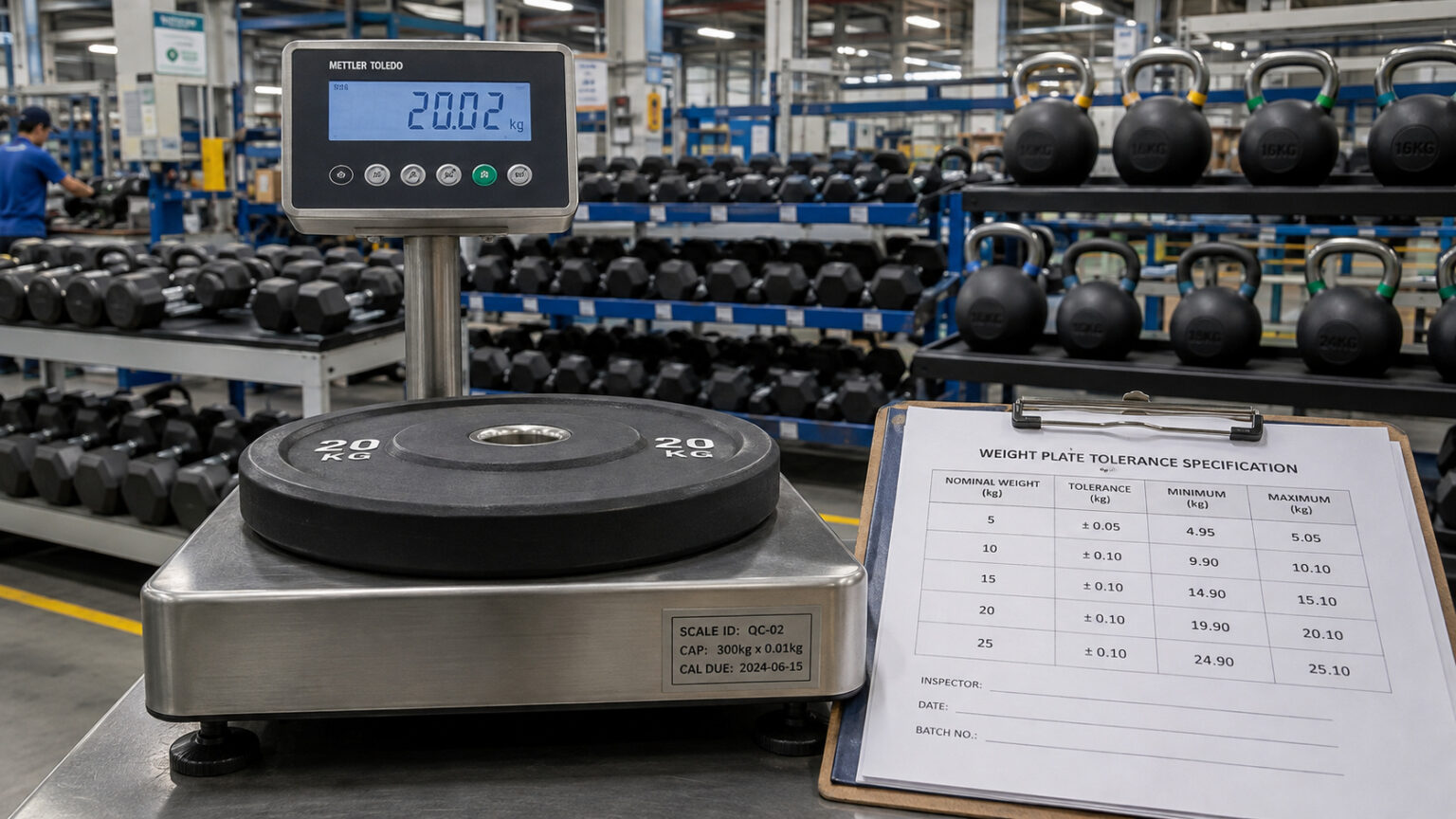
Um haltere revestido a borracha com um preço de $8,50 por kg e outro com um preço de $6,20 por kg podem parecer ser o mesmo produto. Mas não são. O produto com preço mais baixo pode utilizar uma percentagem mais elevada de borracha reciclada, um revestimento mais fino, uma tolerância de peso mais ampla e um núcleo de ferro fundido de qualidade inferior. Estas diferenças são invisíveis na cotação, mas tornam-se dolorosamente evidentes quando o primeiro lote chega e o revestimento começa a rachar ao fim de seis meses, ou quando se acumulam as reclamações dos clientes sobre imprecisões no peso. De acordo com Análise de aquisições da Tradogram, as decisões ineficazes na seleção de fornecedores têm um impacto de aproximadamente 30% nos resultados financeiros de uma empresa — tornando a avaliação baseada exclusivamente no preço um dos erros de aquisição com maiores consequências financeiras que uma empresa pode cometer.
O que fazer em vez disso: Avalie os fornecedores com base no custo total de propriedade. Exija orçamentos com especificações completas — incluindo classes de materiais, compostos de revestimento, tolerâncias de peso e condições de garantia — antes de comparar preços. Um orçamento que não possa ser comprovado por uma lista de materiais não constitui um ponto de comparação válido.
Erro #2: Fornecer especificações do produto vagas ou incompletas
A causa principal mais comum das revisões de amostras, dos desajustes na produção e dos litígios relativos à qualidade é um briefing de especificações incompleto. As marcas que fornecem uma fotografia de referência do produto, um preço-alvo e um intervalo de peso aproximado, e depois esperam que a fábrica produza exatamente o que imaginaram, estão sistematicamente a preparar-se para uma desilusão.
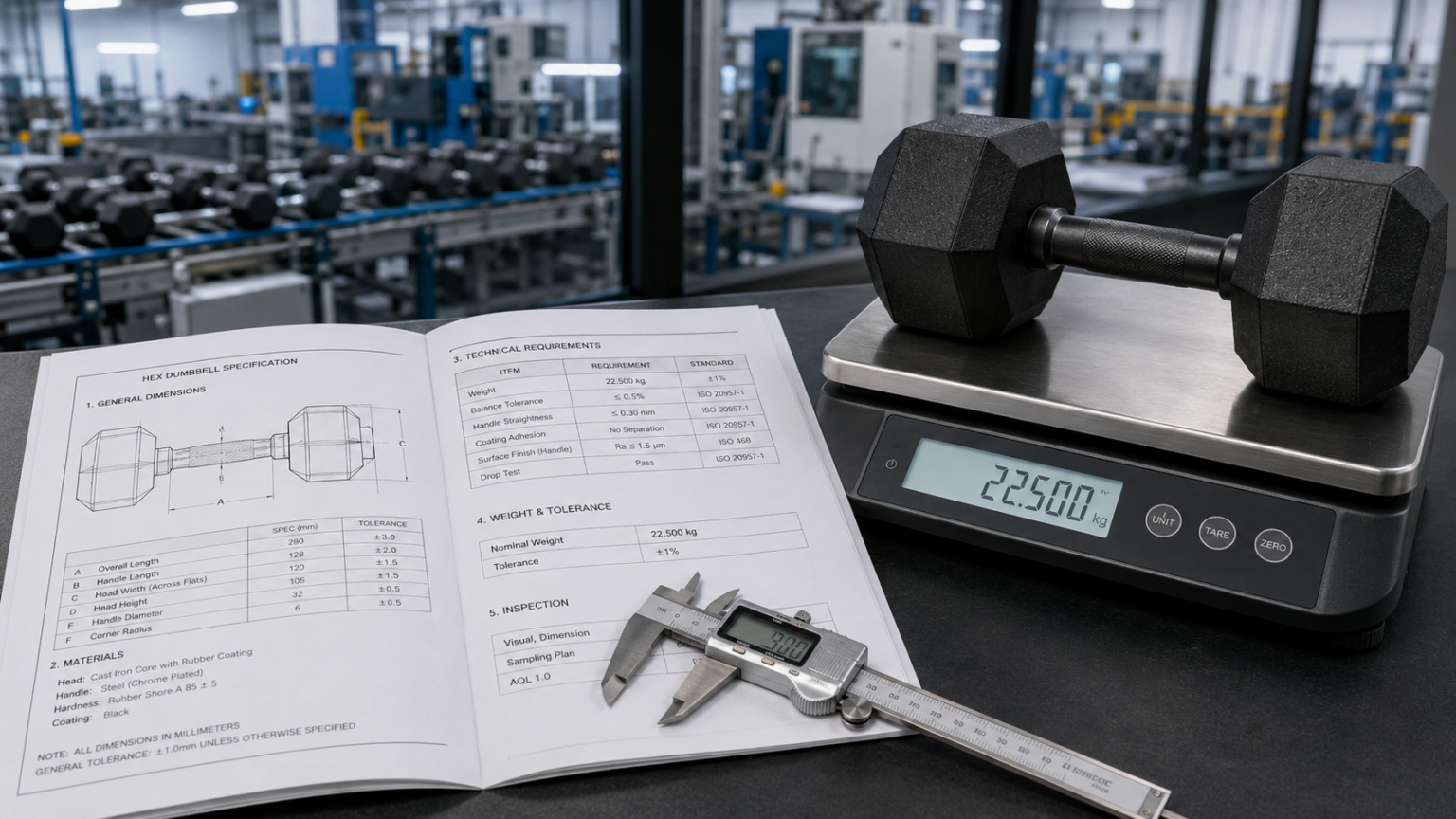
O fabrico de equipamento de fitness exige especificações precisas em várias dimensões simultaneamente: qualidade do material (tipo e liga de aço ou ferro), tratamento de superfície (material de revestimento, espessura, norma de aderência), tolerâncias dimensionais (especialmente no caso dos pesos livres, em que a precisão do peso é um critério de desempenho do produto), especificações de ferragens (diâmetro do punho, profundidade do padrão de serrilha, tipo de colar) e requisitos de embalagem (dimensões da caixa, peso, rotulagem). Quando qualquer uma destas dimensões fica por definir, a fábrica preenche essa lacuna com o seu valor por defeito — o que pode ou não estar em conformidade com os requisitos do seu mercado ou com as suas premissas em termos de preço.
O que fazer em vez disso: Invista na elaboração de um briefing de produto adequado antes de contactar as fábricas. No caso de produtos padrão, isso significa uma ficha de especificações do produto devidamente preenchida, com todos os campos relativos aos materiais e às dimensões preenchidos. No caso de produtos personalizados, significa desenhos de engenharia revistos, com indicações explícitas de tolerâncias. O tempo investido na qualidade das especificações antes do início da produção é recompensado dez vezes mais, através da redução dos ciclos de revisão das amostras e dos desajustes na produção.

Erro #3: Considerar a amostra aprovada como uma garantia da produção
A aprovação da amostra é uma etapa crucial na produção OEM — mas não é garantia da qualidade da produção em série. Um padrão bem documentado no setor do fornecimento de equipamento de fitness é o seguinte: as fábricas dedicam um cuidado adicional à produção de amostras para obter a aprovação e, depois, voltam às práticas padrão de produção em série assim que a encomenda é efetuada. O resultado é uma produção em série que não corresponde à amostra em termos de consistência do acabamento, precisão dimensional ou qualidade dos materiais.
Isto não constitui necessariamente uma fraude deliberada — reflete, muitas vezes, a realidade prática de que a produção de amostras (realizada em pequenas quantidades por artesãos qualificados sob supervisão rigorosa) nem sempre pode ser replicada em volumes de produção em massa nas condições de uma linha de produção. Compreender este risco altera a forma como se aborda a aprovação de amostras: o processo de aprovação deve documentar não só o aspeto do produto, mas também a forma como foi fabricado, para que a produção possa ser verificada com base nos mesmos fatores de entrada e não apenas nos mesmos resultados.
O que fazer em vez disso: Após a aprovação da amostra, documente explicitamente as especificações do material, os procedimentos de tratamento de superfície e as medições dimensionais da amostra aprovada. Inclua esta documentação como anexo à sua ordem de produção. Encomende uma inspeção pré-produção ou durante a produção (não apenas o controlo de qualidade final) para verificar se os materiais utilizados na produção correspondem aos utilizados na amostra aprovada. Como Guia de fabrico da GXMMAT Como se observa, o erro mais dispendioso na aquisição de produtos consiste em ignorar as tolerâncias — um desvio de um milímetro no equipamento de fitness pode afetar a segurança e o funcionamento de formas que só se tornam evidentes quando o produto está a ser utilizado.
Erro #4: Ignorar o tempo total de execução da cadeia de abastecimento
Tal como abordado no nosso guia de planeamento de prazos de entrega, um erro intimamente relacionado com a interpretação errada dos prazos de produção consiste em confundir o prazo de entrega da fábrica com o tempo total do ciclo da cadeia de abastecimento. Uma fábrica que indica “60 dias de produção” está a referir-se ao tempo que decorre entre a confirmação da encomenda e a disponibilização da mercadoria no porto de origem — e não ao tempo que decorre entre a encomenda e a chegada do produto ao seu armazém. Se somarmos o frete marítimo (14 a 35 dias, dependendo do destino), o desembaraço aduaneiro (3 a 10 dias) e a entrega na última milha, podemos facilmente adicionar mais 30 a 45 dias ao ciclo total.
As marcas que baseiam os seus planos de lançamento no retalho ou de reposição de stock apenas no prazo de produção acabam sempre por chegar atrasadas às suas janelas de vendas. Um lançamento de produtos de fitness para a primavera, previsto para 1 de fevereiro e baseado num prazo de produção de 60 dias, encomendado a 1 de novembro, sem ter em conta o tempo de transporte e o desalfandegamento, chegará, na realidade, em meados de fevereiro — demasiado tarde para participar no pico das resoluções de Ano Novo, que era o seu alvo de mercado.
O que fazer em vez disso: Elabore o seu calendário de aquisições a partir da data de disponibilidade de stock necessária, recuando ao longo de todas as etapas da cadeia de abastecimento, incluindo o tempo de margem de segurança. O nosso Página de serviços OEM/ODM fornece um quadro de referência para compreender todo o ciclo da cadeia de abastecimento de diferentes categorias de produtos provenientes de Taiwan.
Erro #5: Não proteger a propriedade intelectual
As falhas na proteção da propriedade intelectual no aprovisionamento de OEM vão desde a replicação de designs (a fábrica produzir o mesmo produto sob uma marca diferente) até a disputas sobre ferramentas (quem detém a propriedade dos moldes após o término da relação) e a fuga de especificações (a fábrica partilhar os detalhes do seu design com concorrentes). Estes riscos não são hipotéticos — representam padrões reais e documentados no aprovisionamento de equipamento de fitness que têm prejudicado marcas de todas as dimensões.
A falha mais comum na proteção da propriedade intelectual é a suposição de que uma garantia verbal ou por e-mail da fábrica (“só fornecemos a si”) constitui proteção suficiente. Não é o caso. A proteção da propriedade intelectual nas relações com fabricantes de equipamento original (OEM) requer documentação jurídica formal: um Acordo de Confidencialidade antes da partilha de projetos, cláusulas explícitas sobre a propriedade das ferramentas nos acordos de produção e um processo definido para o tratamento das especificações e dos ativos da marca após a rescisão do contrato.
O que fazer em vez disso: Assine um acordo de confidencialidade (NDA) antes de partilhar qualquer documentação técnica confidencial. Certifique-se de que o seu contrato de produção com o fabricante de equipamento original (OEM) especifique explicitamente a titularidade das ferramentas (as ferramentas pertencentes ao comprador devem ser identificadas e o seu inventário deve ser controlado pela fábrica), inclua uma cláusula de não reprodução para os seus projetos específicos e defina os procedimentos de retenção e devolução de dados em caso de rescisão. No caso de investimentos significativos em produtos, considere o registo de uma patente no país do fabricante antes da divulgação.
Erro #6: Ignorar a verificação de fábrica
A proliferação das plataformas de comércio B2B tornou extremamente fácil contactar centenas de “fábricas” em poucos minutos. O que estas plataformas não lhe podem dizer é se a entidade com quem está a corresponder-se é um fabricante genuíno, uma empresa comercial que se faz passar por fabricante, uma fábrica legítima que subcontrata a sua encomenda a um terceiro não verificado ou uma empresa registada sem instalações de produção ativas. Todas estas quatro situações existem no mercado de aquisição de equipamento de fitness, e as consequências de descobrir com qual delas está a lidar depois de a produção ter começado — ou depois de chegar um contentor que não corresponde às suas especificações — são graves.
A verificação da fábrica — seja através de uma visita presencial, de uma auditoria realizada por terceiros ou de uma verificação por vídeo com provas documentadas — não é opcional em nenhuma relação com um fabricante de equipamento original (OEM) de dimensão significativa. O custo de uma auditoria profissional à fábrica (normalmente entre $400 e $1,200) representa uma fração de um ponto percentual do valor de uma ordem de produção e elimina uma categoria de risco que nenhuma diligência prévia por e-mail consegue resolver.
O que fazer em vez disso: Exija a documentação legal de registo e verifique-a junto do registo comercial oficial. Encomende uma auditoria à fábrica realizada por uma entidade externa, através de uma empresa de inspeção profissional (QIMA, SGS, Bureau Veritas), caso não seja viável uma visita presencial. Nunca aprove a fabricação de ferramentas nem um compromisso de produção total sem que a identificação da fábrica tenha sido verificada.
| Erro | Frequência | Impacto típico nos custos | Fase de prevenção |
|---|---|---|---|
| Seleção de fornecedores com base apenas no preço | Muito elevado | Devoluções de produtos, custos adicionais relacionados com a qualidade | Avaliação de fornecedores |
| Especificações incompletas | Muito elevado | Exemplos de ciclos de revisão, desalinhamento na produção | Descrição do produto |
| Hipótese de que a amostra ≠ a produção | Elevado | Retificação ou rejeição na produção em série | Processo de aprovação de amostras |
| Erro no cálculo do prazo de entrega | Elevado | Janelas de venda perdidas, transporte aéreo de emergência | Planeamento de aquisições |
| Lacunas na proteção da propriedade intelectual | Médio-alto | Replicação de desenhos, litígios relativos a ferramentas | Fase de contratação |
| Ignorar a verificação de fábrica | Médio | Fraude por parte de uma empresa comercial, falha na qualidade dos subcontratados | Qualificação de fornecedores |
| Sem inspeção pré-embarque | Elevado | Produtos com defeito que chegam aos clientes | Controlo de Qualidade Pré-expedição (OQC) |
| Dependência de uma única fonte | Médio | Interrupção do abastecimento, sem margem de manobra | Estratégia de abastecimento |
| Ignorar os requisitos de conformidade | Médio | Retenção aduaneira, retirada do mercado | Desenvolvimento de produtos |
| Sem contrato formal | Médio | Falha na resolução de litígios, cláusulas inexequíveis | Fase de contratação |
Erro #7: Não realizar a inspeção pré-embarque
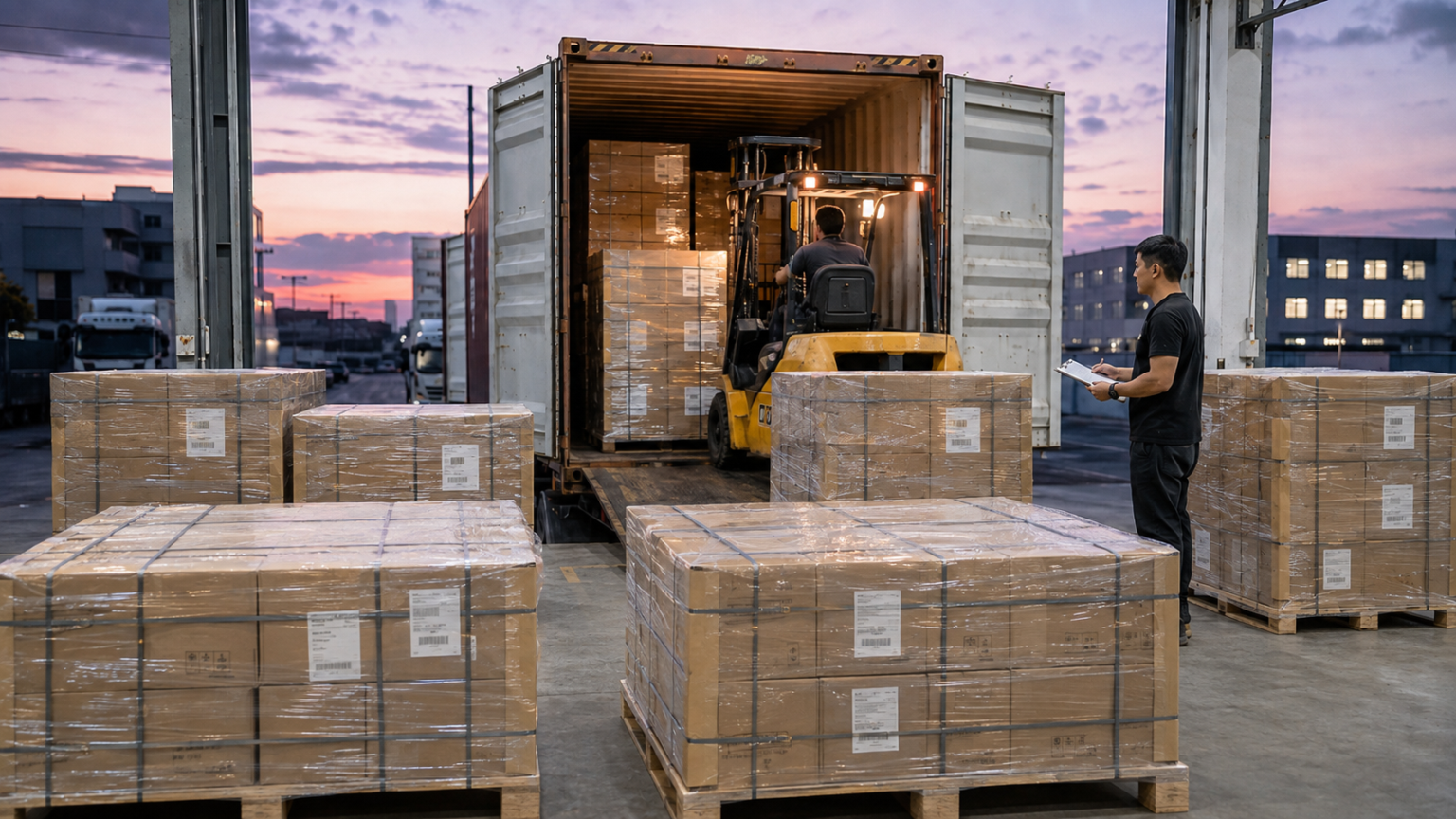
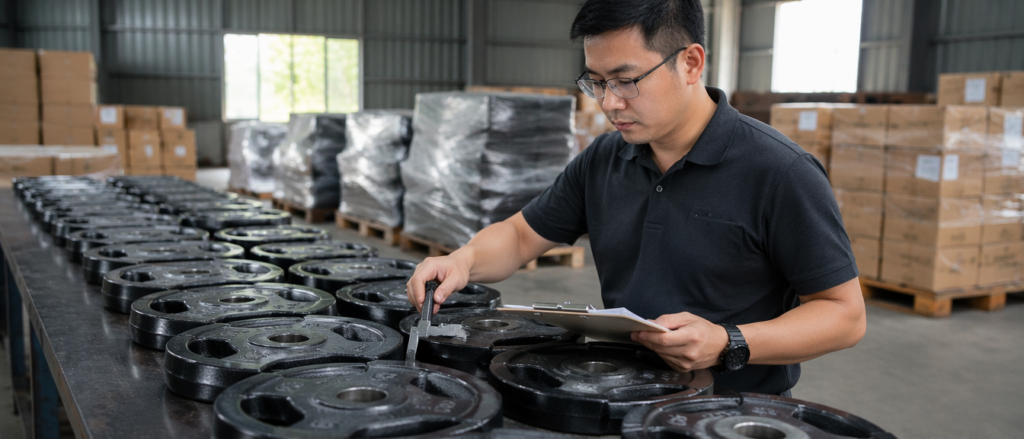
A inspeção pré-embarque — realizada por uma entidade independente ou por um representante de qualidade do comprador antes de a mercadoria sair da fábrica — é a última oportunidade para detetar problemas de qualidade antes que estes se transformem em problemas para o cliente. É também uma das etapas mais frequentemente ignoradas no aprovisionamento de equipamento de fitness, especialmente no caso de encomendas recorrentes, em que os compradores partem do princípio de que uma produção anterior considerada aceitável garante que a atual será igualmente aceitável.
Não é o caso. A qualidade da produção pode variar de lote para lote devido a diferenças entre lotes de matéria-prima, rotatividade de pessoal, ajustes na velocidade da linha de produção ou problemas de manutenção do equipamento. Um lote de discos de peso que tenha sido aprovado na inspeção em março pode apresentar características de aderência do composto de borracha diferentes em setembro, caso o fornecedor tenha mudado de fornecedor do composto de borracha ou ajustado o ciclo de cura. Sem uma inspeção pré-expedição, estas variações chegam aos seus clientes.
O que fazer em vez disso: Inspeção pré-embarque por parte da Comissão para cada lote de produção, recorrendo a uma empresa de inspeção profissional que aplique normas de amostragem AQL e uma lista de verificação de inspeção documentada, derivada das especificações do produto aprovadas pela vossa empresa. O custo — normalmente entre $200 e $500 por inspeção para cargas de contentores padrão — justifica-se com a prevenção de uma única devolução por parte do cliente ou de um único caso de recolha de produto.
Erro #8: Dependência de uma única fonte sem um plano de contingência
Concentrar 100% do seu volume de produção numa única fábrica OEM, sem um fornecedor alternativo qualificado, constitui uma fragilidade na cadeia de abastecimento que parece controlável — até deixar de o ser. Incêndios na fábrica, inundações, conflitos laborais, avarias de equipamento ou a perda de um gestor de produção essencial podem deixar um fornecedor único fora de serviço durante semanas ou meses. Sem uma alternativa qualificada, as marcas enfrentam rupturas de stock, perda de clientes e aquisições de emergência dispendiosas junto de fornecedores não verificados a preços elevados.
Este não é um risco teórico. O setor do equipamento de fitness tem sofrido perturbações significativas na cadeia de abastecimento, provocadas por acontecimentos ao nível das fábricas, e as marcas com relações de abastecimento diversificadas recuperam-se consistentemente mais rapidamente do que aquelas que estão totalmente concentradas numa única unidade. O princípio estratégico do abastecimento duplo — manter pelo menos um fornecedor de reserva qualificado para os seus produtos de maior volume — é uma prática comum em organizações de compras maduras em todos os setores.
O que fazer em vez disso: Selecione pelo menos um fornecedor secundário para os seus três ou quatro SKUs principais em termos de volume. Não é necessário que o fornecedor secundário receba um volume significativo de encomendas de forma contínua — basta manter a relação de qualificação (manter as especificações atualizadas, realizar testes periódicos) para garantir que possa receber volumes de emergência com pouca antecedência. O custo de manutenção desta preparação é mínimo quando comparado com o custo de perturbação resultante de uma falha imprevista de um único fornecedor.
Erro #9: Ignorar as normas de conformidade e segurança do mercado
O equipamento de fitness vendido nos Estados Unidos, na União Europeia e noutros mercados regulamentados deve cumprir as normas de segurança aplicáveis — e é o comprador, e não o fabricante, que assume a responsabilidade principal por garantir esse cumprimento. As marcas que encomendam a fábricas OEM sem especificar as normas aplicáveis, os requisitos de ensaio e as obrigações de documentação correm o risco de receber produtos que não podem ser vendidos legalmente no seu mercado-alvo ou que podem dar origem a responsabilidade civil pelo produto, caso ocorra um acidente.
No mercado europeu, o equipamento de fitness comercial está sujeito à norma EN 957 (requisitos de segurança para equipamento de treino fixo) e aos requisitos de marcação CE. Nos Estados Unidos, as normas da ASTM International (ASTM F1749, F2276 e outras) aplicam-se a várias categorias de equipamento de fitness, e os regulamentos da CPSC aplicam-se aos produtos de consumo. A não especificação destes requisitos no seu briefing de OEM e no contrato de produção significa que a fábrica não tem qualquer obrigação de os cumprir.
O que fazer em vez disso: Identifique as normas de segurança específicas aplicáveis à categoria do seu produto e ao mercado-alvo antes de efetuar uma encomenda OEM. Inclua-as como requisitos explícitos no seu contrato de produção, exija que a fábrica mantenha registos de ensaios relativos à conformidade estrutural e funcional e assegure-se de que a documentação de importação reflete com precisão a classificação do produto para os códigos SH e categorias pautais aplicáveis. De acordo com o Fórum de Formação em Comércio Internacional, a conformidade e os requisitos regulamentares estão entre as lacunas mais comuns no processo de aprovisionamento das PME que se lançam no comércio internacional pela primeira vez.
Erro #10: Operar sem um acordo formal de produção
Um número surpreendentemente elevado de relações com fabricantes de equipamento de fitness — especialmente no caso de marcas pequenas ou na fase inicial — funciona com base em trocas de e-mail e ordens de compra, sem um acordo de produção formal ou um contrato de fornecimento. Esta abordagem é adequada do ponto de vista operacional quando tudo corre bem. Quando algo corre mal — um litígio relativo à qualidade, uma falha na entrega, um conflito sobre a propriedade das ferramentas ou uma violação de propriedade intelectual —, a ausência de um acordo formal deixa ambas as partes sem um mecanismo definido de resolução de litígios e expõe o comprador a riscos financeiros e jurídicos significativos.
Um acordo de produção formal não precisa de ser um documento jurídico de 50 páginas — mas tem de abordar os termos essenciais: especificações e tolerâncias do produto (com referência à documentação aprovada), propriedade e inventário das ferramentas, critérios de aceitação de qualidade e procedimentos de rejeição, condições de entrega e penalizações por atraso na entrega, obrigações de proteção da propriedade intelectual, compromissos de encomenda mínima, se aplicável, e legislação aplicável e processo de resolução de litígios. No que diz respeito às relações com fornecedores estratégicos, um acordo de fornecimento plurianual com cláusulas de revisão comercial anual constitui a estrutura adequada.
O que fazer em vez disso: Contrate um advogado especializado em direito comercial, com experiência em comércio internacional ou acordos de fabrico, para elaborar um modelo padrão de contrato de produção OEM antes da sua primeira encomenda significativa. O investimento — normalmente entre $1,500 e $3,500 por um contrato padrão bem redigido — é recuperado logo no primeiro litígio que o contrato evitar ou resolver de forma eficiente. Consulte o nosso capacidades de fabrico e documentação dos processos para compreender como os fabricantes consolidados abordam os termos dos acordos de produção.

Erros «bónus»: mais três erros de sourcing que agravam os dez primeiros
Para além dos dez erros fundamentais acima referidos, existem três erros adicionais no processo de aquisição que, frequentemente, agravam as falhas principais — aumentando os seus custos e prolongando o prazo de resolução. Vale a pena compreender estes erros como uma última vertente da sensibilização para os riscos associados ao processo de aquisição.
Erro #11: Alteração das especificações após o início da produção
As alterações às especificações a meio da produção são um dos eventos mais onerosos na produção OEM. Quando um comprador solicita uma alteração — seja numa combinação de cores, num detalhe dimensional, numa especificação de ferragens ou num design de embalagem — depois de a produção já estar em curso, o fabricante tem de avaliar o impacto nos materiais já adquiridos, nos componentes já fabricados e nos compromissos de calendário já assumidos. Dependendo do momento e do âmbito da alteração, os custos podem incluir baixas de material, retrabalho de ferramentas, tempo de reajustamento da linha de produção e atrasos na entrega em relação ao calendário original.
Estes custos são reais e legítimos — e são suportados pelo comprador, quer explicitamente (através de uma taxa de alteração da encomenda), quer implicitamente (através de atrasos na entrega que custam ao comprador mais em oportunidades de mercado perdidas do que o próprio valor da alteração). A prevenção é simples: concluir e finalizar todas as especificações antes de a produção ser autorizada. Um ponto de controlo de “aprovação pré-produção” — em que todos os elementos de produção (materiais, componentes, cores, embalagens) são revistos e aprovados antes de a ordem de produção ser emitida — elimina a maioria dos cenários de alterações a meio da produção.
Erro #12: Utilizar fotografias do produto em vez de amostras aprovadas como referência de qualidade
Um erro subtil, mas com consequências graves, no aprovisionamento junto de fabricantes de equipamento original (OEM) consiste em utilizar fotografias do produto — quer sejam do catálogo da fábrica, do site de um concorrente ou de uma imagem gerada por computador — como referência de qualidade para a produção. As fotografias são representações bidimensionais que não captam a textura do acabamento superficial, a precisão dimensional, a dureza do material, a precisão da cor sob diferentes condições de iluminação, nem as dezenas de outros atributos de qualidade que determinam se um produto cumpre as expectativas comerciais.
A única referência de qualidade válida na produção OEM é uma amostra aprovada fisicamente — examinada pessoalmente ou por um representante de qualidade designado — com os desvios documentados e as condições de aprovação registadas por escrito. Se uma análise presencial da amostra não for viável, uma empresa de inspeção profissional pode realizar uma análise remota da amostra com base numa lista de verificação, com fotografias detalhadas e medições dimensionais efetuadas em condições controladas. Nunca autorize uma ordem de produção tendo como referência de qualidade apenas uma “aprovação por fotografia”.
Erro #13: Subestimar o custo da mudança de fornecedor
Quando uma relação de abastecimento enfrenta problemas — questões de qualidade, falhas na entrega, falhas de comunicação —, a reação instintiva é mudar de fornecedor. Na maioria dos casos, este impulso subestima o verdadeiro custo da mudança. Cada nova relação com um fornecedor requer a refabricação ou transferência de ferramentas, a recomunicação de especificações, ciclos de desenvolvimento de amostras, a qualificação da fábrica, lotes de produção iniciais com maior risco de defeitos e o investimento de tempo acumulado no estabelecimento de normas de trabalho. Para linhas de produtos já estabelecidas, o custo total da mudança ascende habitualmente a dezenas de milhares de dólares em custos diretos e a meses de atraso no calendário.
Isto não significa que os fornecedores com desempenho insatisfatório devam ser mantidos indefinidamente — mas significa que a decisão de escolha de fornecedores deve ser tomada com uma compreensão realista dos custos de mudança, e que o limiar para a mudança deve ter em conta o prazo total de recuperação, e não apenas o custo do problema atual. Em muitos casos, um processo estruturado de ações corretivas com um fornecedor com desempenho insatisfatório é mais económico do que uma mudança — desde que a causa principal seja passível de resolução e o fabricante esteja genuinamente empenhado na resolução do problema. O nosso histórico da empresa reflete as relações que se desenvolvem ao longo de várias décadas quando estas questões são bem geridas por ambas as partes.
Lista de verificação resumida para a primeira aquisição junto de fabricantes de equipamento original (OEM)
Os dez erros acima referidos podem ser evitados de forma sistemática através de uma lista de verificação prévia à seleção de fornecedores que oriente o seu processo em cada fase. Segue-se um resumo das principais medidas de prevenção:
| Palco | Medidas-chave para evitar erros |
|---|---|
| Identificação do fornecedor | Verificar o registo legal; encomendar uma auditoria à fábrica; confirmar a capacidade real de fabrico para a sua categoria de produtos |
| Pedido de cotação / cotação | Fornecer especificações completas relativas aos materiais, às dimensões e à embalagem; exigir uma lista de materiais detalhada com cada orçamento; avaliar com base no custo total de propriedade |
| Propriedade intelectual e contratos | Assinar um acordo de confidencialidade (NDA) antes de partilhar os projetos; definir por escrito a titularidade das ferramentas; elaborar um acordo formal de produção antes da primeira encomenda |
| Aprovação da amostra | Registar as entradas de materiais na fase de amostragem; definir os requisitos de verificação da produção em série; não considerar a aprovação da amostra como garantia da produção |
| Planeamento da produção | Calcular o tempo total de execução da cadeia de abastecimento (produção + transporte + desalfandegamento + margem de segurança); planear a partir da data de disponibilidade do stock, retroativamente |
| Conformidade | Especificar as normas de segurança aplicáveis no contrato de produção; exigir registos de ensaios; confirmar a classificação do código HS antes do envio |
| Pré-expedição | Encomendar uma inspeção independente com base no AQL para cada lote de produção; analisar os relatórios antes de autorizar o envio |
| Estratégia de abastecimento | Selecionar pelo menos um fornecedor alternativo para as SKUs de maior volume; rever anualmente as dependências de um único fornecedor |
Perguntas frequentes
Como posso saber se a fábrica OEM que estou a avaliar é um verdadeiro fabricante ou uma empresa comercial?
Solicite os documentos de registo comercial da fábrica e verifique o âmbito de atividade registado, comparando-o com os registos comerciais oficiais do governo. As empresas comerciais têm, normalmente, um âmbito de atividade registado que inclui “importação e exportação”, em vez de “fabrico”. Solicite fotografias ou vídeos de linhas de produção em funcionamento com o seu tipo de produto e encomende uma auditoria à fábrica, realizada por uma entidade independente, para verificação final. Um fabricante genuíno não hesitará em satisfazer estes pedidos.
Qual é a documentação mínima de que preciso antes de fazer a minha primeira encomenda OEM?
Antes de efetuar uma encomenda OEM, é necessário: (1) um resumo completo das especificações do produto, incluindo os requisitos relativos aos materiais e às dimensões; (2) um acordo de confidencialidade (NDA) assinado; (3) um acordo de produção formal que abranja as normas de qualidade, as condições de entrega, a propriedade das ferramentas e a proteção da propriedade intelectual; e (4) uma confirmação por escrito do registo legal da fábrica e de quaisquer certificações aplicáveis. Uma ordem de compra sem estes documentos representa um risco jurídico e comercial significativo.
É necessária uma inspeção pré-embarque para encomendas repetidas de uma fábrica que já conheço?
Sim. A qualidade da produção pode variar de lote para lote devido a diferenças entre lotes de material, alterações na mão-de-obra e variações no processo — independentemente do histórico de desempenho anterior. A inspeção pré-expedição não é um sinal de desconfiança; trata-se de um processo de garantia de qualidade que beneficia ambas as partes, ao detetar problemas antes de estes chegarem ao mercado. Os fabricantes de renome acolhem-na como um compromisso comum em matéria de qualidade.
Como posso evitar pagar pelo equipamento de produção que a fábrica acaba por utilizar para outros clientes?
Estabeleça claramente a titularidade das ferramentas no seu contrato de produção — indicando que todas as ferramentas e moldes produzidos para os seus produtos são propriedade do comprador, devem ser armazenados separadamente na fábrica e inventariados. Inclua uma cláusula que proíba a utilização das suas ferramentas para outros clientes e que especifique as condições em que as ferramentas devem ser devolvidas ou destruídas no momento da rescisão do contrato. Considere adicionar um direito de auditoria ao registo de ferramentas (a possibilidade de verificar o inventário das ferramentas a qualquer momento) no caso de investimentos em ferramentas de elevado valor.
Que normas de segurança se aplicam aos equipamentos de ginástica vendidos na Europa e nos Estados Unidos?
Na Europa, o equipamento de fitness comercial (equipamento de treino fixo) está abrangido pelas normas EN 957 e requer a marcação CE. O equipamento de musculação e de pesos livres também pode estar abrangido pela série de normas EN 20957. Nos Estados Unidos, as normas ASTM aplicam-se a várias categorias de equipamento (ASTM F1749 para bicicletas estáticas, F2276 para máquinas de treino com pesos, etc.), e os produtos de consumo devem cumprir os regulamentos da CPSC. Os requisitos específicos dependem da categoria do seu produto — consulte um especialista em conformidade de produtos para confirmar as normas aplicáveis aos seus SKUs específicos.
Conclusão
Os dez erros abordados neste guia não são casos extremos e pouco conhecidos — são os modos de falha previsíveis de aquisição de equipamento de fitness junto de fábricas OEM sem uma preparação adequada, documentação e disciplina nos processos. Cada um destes problemas é evitável com os conhecimentos certos e os hábitos organizacionais adequados. O investimento necessário para os evitar — na qualidade das especificações, no rigor contratual, na verificação na fábrica e nos processos de inspeção — é modesto quando comparado com o custo financeiro e de reputação de os sofrer.
Se estiver a estabelecer uma relação de fornecimento com um OEM pela primeira vez, ou a analisar uma relação já existente para identificar eventuais lacunas, recomendamos que utilize este artigo como uma lista de verificação de diagnóstico. E se estiver à procura de um parceiro de fabrico cujos processos, práticas de documentação e normas de qualidade tenham sido concebidos para abordar estes riscos de forma sistemática, Agradecemos o diálogo.