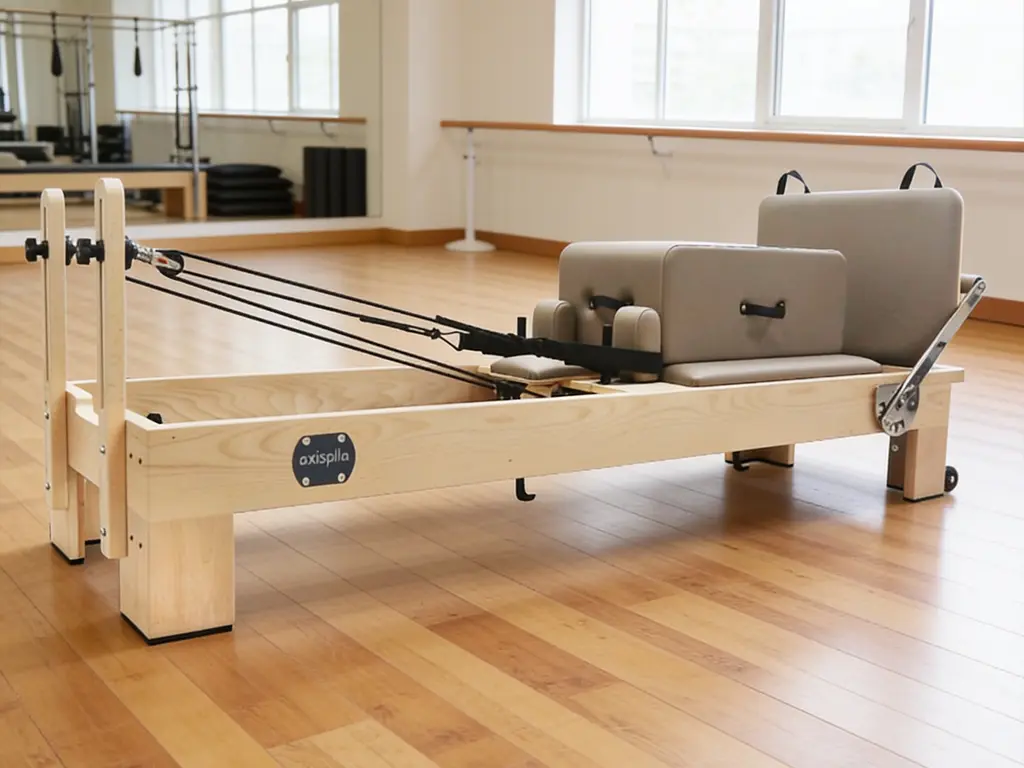
Pilates equipment occupies a distinctive position in the fitness equipment safety landscape. Unlike free weights — which carry clear and obvious load risks — or cardio machines whose safety hazards are primarily electrical and mechanical, Pilates reformers and related apparatus present a less obvious but critically important risk category: stored elastic energy. A Pilates reformer spring under working tension stores significant kinetic energy. If a spring detaches unexpectedly from either its carriage hook or its anchor rail hook, that energy releases instantaneously and violently, with the potential for serious injury to the user or instructor.
Spring detachment injuries in Pilates settings are not hypothetical. Reports of spring release accidents appear in fitness industry safety literature and insurance records globally, and the consequences — facial lacerations, eye injuries, and blunt force trauma — have driven regulatory attention to spring system design and quality standards for commercial Pilates equipment. For brands developing Pilates equipment through OEM manufacturing programs, and for studio operators making procurement decisions, understanding the engineering requirements that govern spring safety — tension specification, fatigue life, detachment resistance, and maintenance intervals — is essential.
This guide explains the physics of Pilates spring risk, the testing standards that apply to spring system components, how manufacturers should test and document spring safety, and how buyers should specify spring safety requirements in OEM sourcing contracts.
The Physics of Spring Detachment Risk
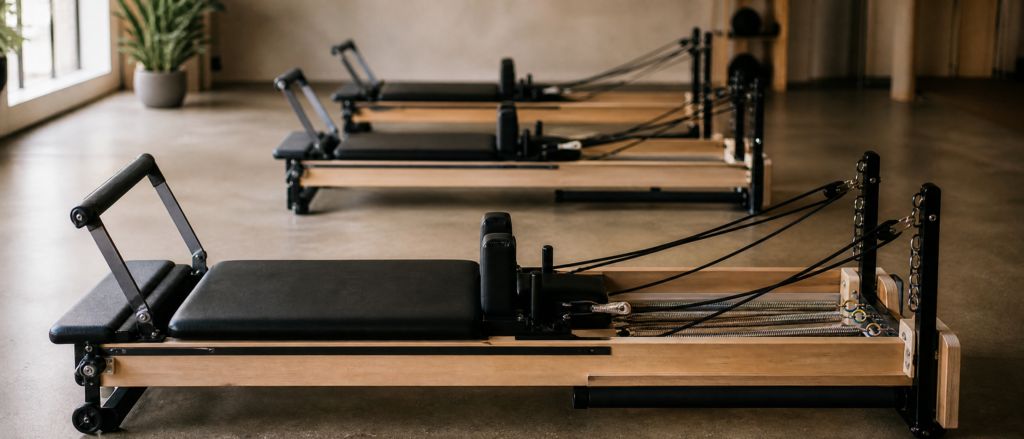
A Pilates reformer operates on the principle of spring resistance: one to five coil springs connect the moving carriage to the fixed end of the reformer frame, providing resistance that the user works against during exercises. Springs are available in different resistance ratings — typically color-coded from light to heavy — and users select the combination that matches the exercise prescription. In a commercial studio, each reformer may experience dozens of spring changes and thousands of resistance cycles per week.
A fully loaded heavy spring on a commercial reformer stores between 20 and 50 joules of potential energy at full carriage extension, depending on the spring’s spring rate (force per unit extension) and the carriage travel distance. To put this in physical context, 50 joules is approximately the kinetic energy of a 1 kg object traveling at 10 m/s — enough to cause significant blunt force injury if released suddenly and directed at a user. The direction of spring release upon detachment is governed by the geometry of the hook and rail, which means the release trajectory is largely unpredictable from the user’s perspective.
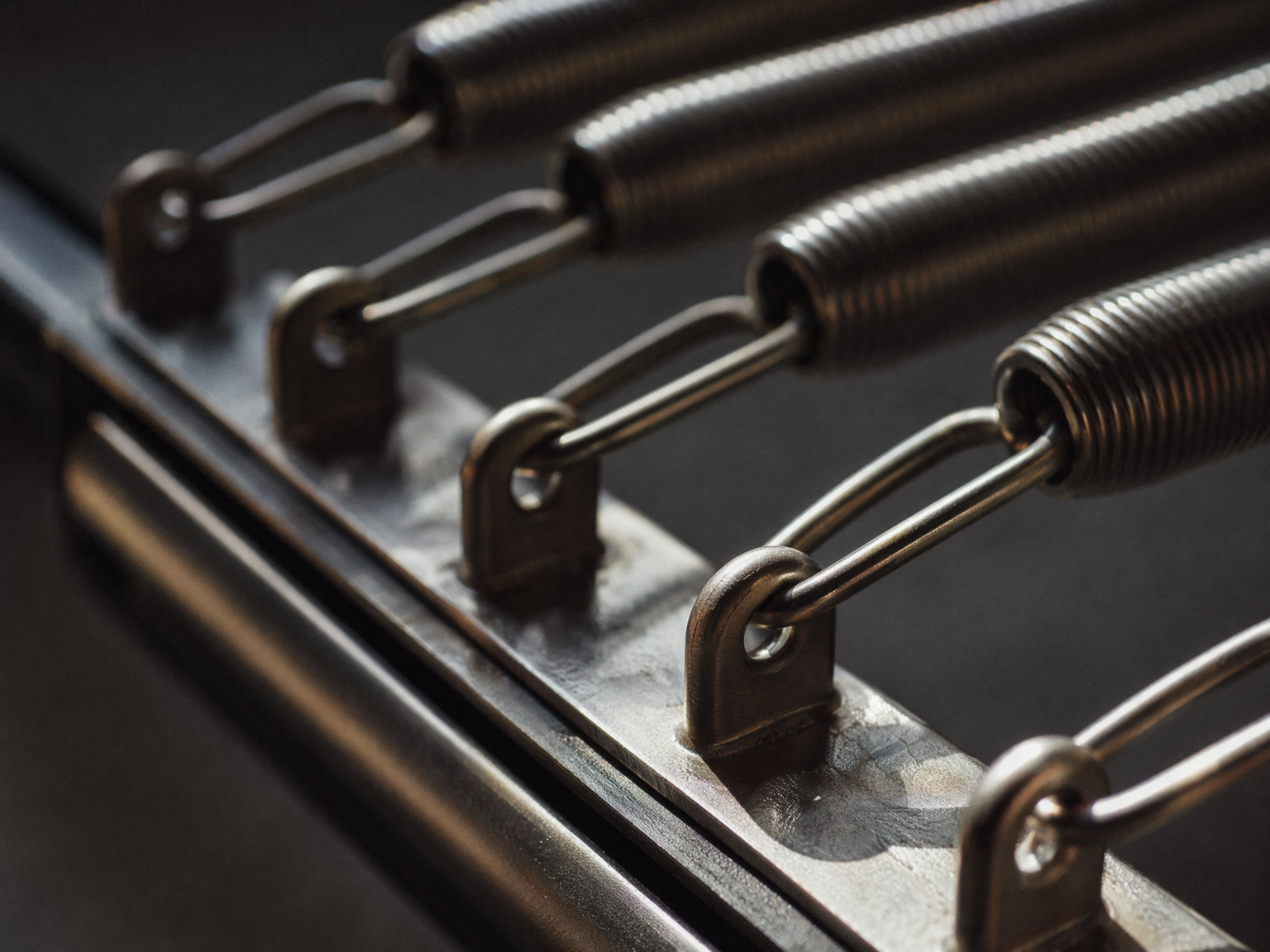
The detachment risk arises at two points: the carriage hook (where the spring end hooks to the moving carriage) and the rail anchor (where the other spring end hooks to the fixed frame or spring bar). Both hook points are subject to repeated loading and unloading during normal use, and both are exposed to the risk of user error — improperly seated hooks that appear engaged but can disengage under load — as well as manufacturing quality failure at the hook itself.
Spring Design and Material Requirements
The spring itself must be manufactured to specifications that ensure consistent tension rating, adequate fatigue life, and hook integrity over the expected service life. Commercial Pilates springs are typically manufactured from high-carbon steel wire (ASTM A228 music wire or equivalent) cold-wound to the specified diameter and pitch, then heat-treated to relieve residual stress and stabilize the spring rate. The end hooks are formed as part of the winding process or welded onto the spring body — welded hooks represent a potential failure point and are generally considered inferior to integrally formed hooks for commercial applications.
Spring rate consistency within a production batch is a critical quality parameter. A reformer is designed around a defined resistance progression — for example, each spring in a set might be specified at 10 lbs, 15 lbs, 20 lbs, and 25 lbs of resistance at the standard working extension. If actual spring rates deviate significantly from specification — through wire diameter variation, coil pitch inconsistency, or heat treatment differences — the user’s resistance experience does not match the prescribed exercise protocol. In clinical and rehabilitation applications where Pilates is used as therapeutic exercise, spring rate accuracy is not a comfort issue but a treatment accuracy issue.
The specification for commercial Pilates springs should therefore include: wire diameter and tolerance, spring outer diameter and tolerance, free length and tolerance, spring rate (force per unit extension) and tolerance, and the required hook type with minimum hook opening and wire diameter at the hook. Maximum permissible variation within a batch — typically ±5% of specified spring rate for commercial grade — should be stated explicitly.
Spring Tension Testing: Methods and Standards
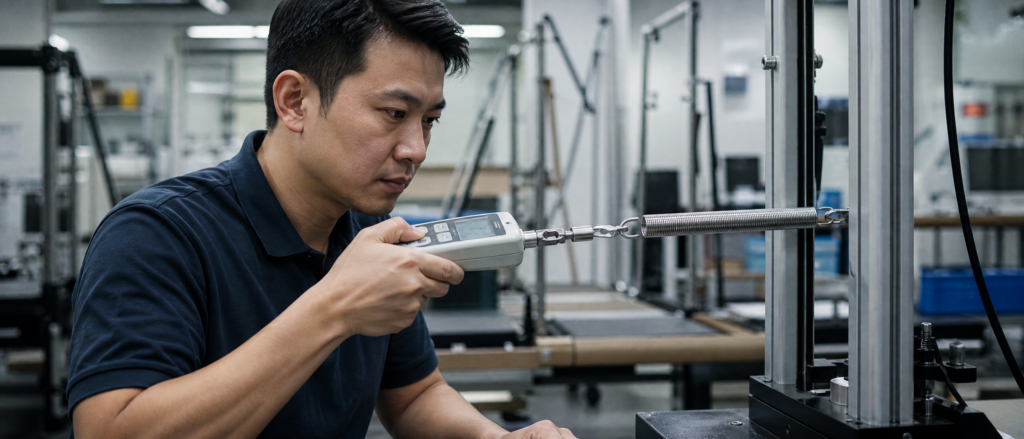
Spring tension testing verifies that each spring’s resistance rating matches the specification. The standard test method applies a known extension to the spring and measures the resulting force using a calibrated load cell or force gauge. The extension value used for the test should correspond to the working extension range of the spring in its intended reformer application — not an arbitrary figure — to ensure the spring rate measurement reflects actual in-service performance.
The primary international standard framework for strength training and fitness equipment safety is EN ISO 20957-1 (Stationary training equipment — Part 1: General safety requirements and test methods). While EN ISO 20957-1 covers stationary training equipment broadly, its general safety framework — including requirements for structural integrity, load-bearing components, and user-accessible moving parts — is applicable to Pilates reformers. Several European markets require EN ISO 20957 compliance as a condition of sale for commercial fitness equipment, and the standard’s structural and material requirements inform the design and testing approach appropriate for Pilates spring systems.
Spring tension testing for production batches should be conducted on a sampling basis using documented AQL sampling plans. For springs used in commercial Pilates equipment, a recommended minimum approach is AQL 1.0 sampling for spring rate accuracy (major parameter) with individual spring force values recorded — not merely pass/fail designations — to provide a distribution of the batch’s spring rate values. Springs outside the specified tolerance range are rejected; batches with excessive variation in spring rate distribution across the sample may indicate a process control problem requiring investigation before the batch is accepted.
Hook Detachment Testing: The Critical Safety Parameter
Spring tension testing verifies that the spring provides the correct resistance. Hook detachment testing verifies that the spring stays attached under load. These are distinct requirements, and both are mandatory for a complete spring safety assessment.
Hook detachment testing applies a static pull-out force to the spring hook in the direction most likely to cause detachment in service. The test fixture replicates the hook geometry of the reformer carriage or rail anchor as closely as possible. The pull-out force is progressively increased to a defined test load — typically three to five times the maximum rated working load of the spring — and held for a defined period (usually 10 seconds). A passing result requires that the hook does not disengage from the test fixture throughout the holding period.
For a spring rated at 25 lbs working resistance, the detachment test force at 5× safety factor would be 125 lbs. For a set of five springs simultaneously loaded (the maximum configuration on most commercial reformers), the combined detachment test force on the rail anchor system would be 625 lbs. The rail anchor and its attachment to the reformer frame must be tested to this combined load as a system, not just the individual spring hooks in isolation.
Hook opening geometry is a critical design parameter that affects both detachment risk and ease of spring change. A hook opening that is too wide allows the spring to disengage from the rail pin during use if the carriage path geometry creates an angular load on the hook. A hook opening that is too narrow makes spring changes difficult, increasing the risk of user error — improperly seated springs that appear engaged but are not fully captured on the pin. The hook opening should be specified to a defined range that balances secure engagement with acceptable ease of change, and this specification should be verified dimensionally on production samples.
Cycle Fatigue Testing: Spring Life Under Commercial Use
A Pilates spring that passes static tension and detachment testing at production is not necessarily safe for the entire projected service life of the equipment. Spring materials fatigue under cyclic loading — each extension and return cycle introduces microscopic stress at the wire surface, which accumulates over time into macroscopic cracks and eventually fracture. The number of cycles a spring can sustain before fatigue failure is a function of the wire material, the applied stress amplitude (determined by the spring rate and the working extension), and the surface condition of the wire.
Commercial Pilates equipment in a busy studio may accumulate 50,000 to 100,000 spring cycles per year per reformer, depending on class frequency and the proportion of exercises that use spring resistance at high extension. A commercial spring should be rated for a minimum service life of 200,000 to 500,000 cycles without fatigue failure — representing two to five years of commercial studio use before preventive spring replacement is recommended.
Cycle fatigue testing is conducted by mounting the spring in a cyclic testing rig that repeatedly extends and returns the spring at the specified working load range and cycle rate. The test runs to the specified cycle count without spring fracture being the pass criterion, or the test is run to fracture to determine the actual fatigue life. For OEM buyers specifying commercial Pilates springs, requesting the manufacturer’s fatigue test data — including the test cycle count, the load range applied, and the results — is an important part of product qualification. A manufacturer that cannot provide fatigue test data on their springs has not validated their spring for commercial service life.
Commercial Grade vs Studio Grade: Understanding the Specification Difference
Pilates equipment is often described in terms of “studio grade” and “home grade” — terminology that implies a quality difference but is rarely defined with precision in commercial marketing. From a spring system engineering perspective, the meaningful differences between commercial and home-grade Pilates springs involve four parameters: spring rate accuracy tolerance, hook design, fatigue cycle rating, and surface treatment.
| พารามิเตอร์ | Home Grade | Studio Grade (Commercial) |
|---|---|---|
| Spring rate accuracy | ±10–15% of specification | ±5% of specification |
| Hook type | Welded or formed (lighter wire) | Integrally formed (heavier wire), larger hook radius |
| Fatigue cycle rating | 50,000–100,000 cycles | 200,000–500,000+ cycles |
| วัสดุสาย | Lower-grade spring steel | High-carbon music wire (ASTM A228 or equivalent) |
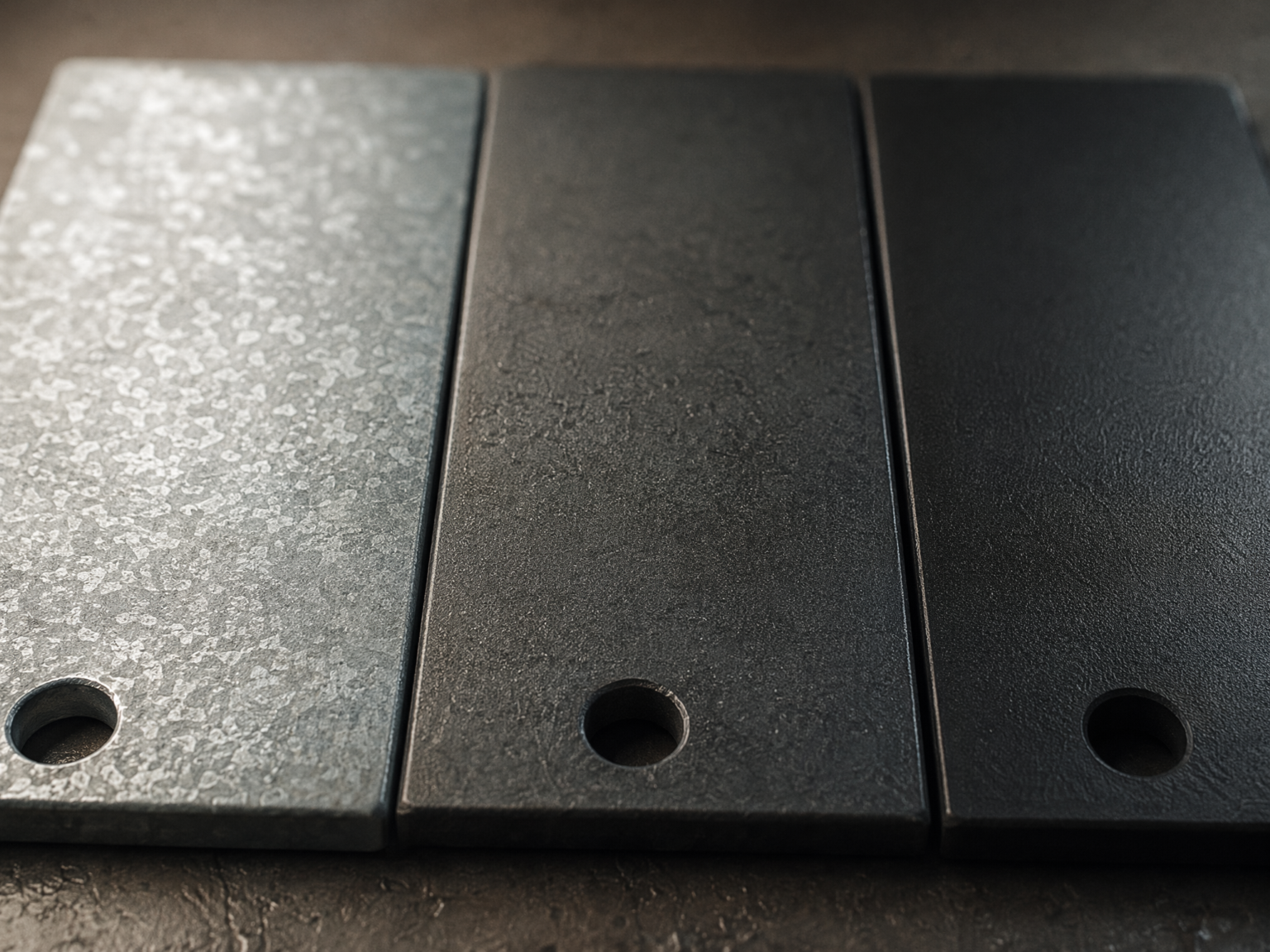
| Surface treatment | Light oil or no treatment | Shot-peened + zinc-phosphated or powder-coated |
| Safety factor (hook pull-out) | 3× working load | 5× working load |
| Tension testing coverage | Spot check or none | AQL 1.0 sampling with recorded force values |
| Appropriate use environment | Low-frequency home practice | Multi-session daily commercial studio use |
Brands specifying Pilates equipment for commercial studio sale must ensure the spring specification matches commercial-grade requirements. Home-grade springs installed in commercial equipment reach fatigue failure within months of commercial use — a failure mode that creates both liability exposure and warranty claim volume that erodes margins rapidly.
User-Facing Safety: Spring Change Protocols and Maintenance Intervals
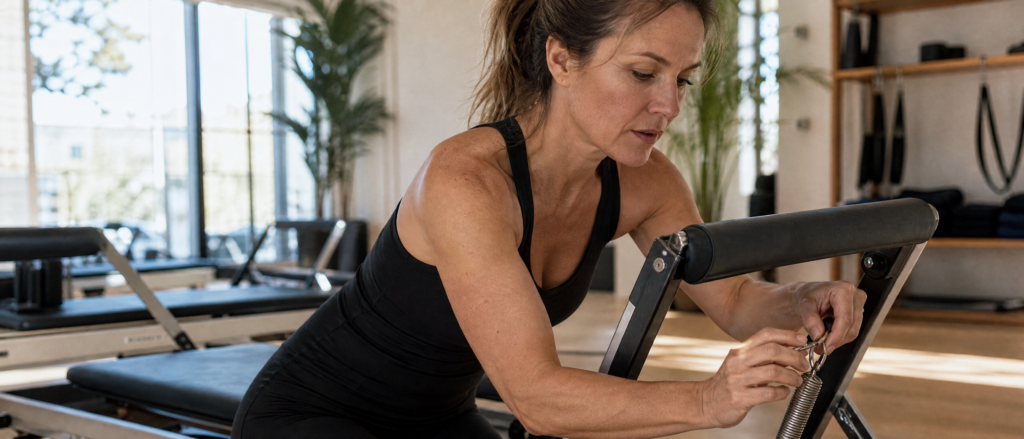
Even correctly manufactured and specified springs require proper handling in service to maintain their safety. Spring detachment incidents frequently involve user handling error rather than manufacturing defect — a spring that was not fully seated on the hook pin before use, or a worn hook that was not replaced at the recommended maintenance interval.
Commercial Pilates equipment manufacturers should provide clear spring change instructions as part of the product documentation — not buried in a dense manual but as a visual reference available at the reformer. The correct spring seating orientation (which direction the hook opens relative to the rail), the confirmation check (visual and tactile verification that the spring end is fully captured on the pin), and the warning signs that indicate a spring or hook should be removed from service (hook distortion, wire surface rust, coil deformation) should all be covered in user-facing documentation.
Recommended spring replacement intervals for commercial use should be stated in the product documentation based on the spring’s rated cycle life. A spring rated for 200,000 cycles in a studio averaging 10,000 cycles per month should be flagged for replacement at 18–20 months. Most commercial studios do not track spring cycles directly — the replacement interval should therefore be expressed in calendar time based on assumed commercial use, with more frequent inspection recommendations for high-volume studios.
Hook and anchor pin inspection should be conducted monthly in commercial use. Hooks that show visible distortion — bent opening, elongated bore — must be replaced, not straightened. The hook geometry after distortion cannot be reliably restored by manual correction, and a distorted hook has a significantly reduced pull-out force relative to its specification.
Beyond Reformer Springs: Attachment Safety on Cadillac and Tower Systems
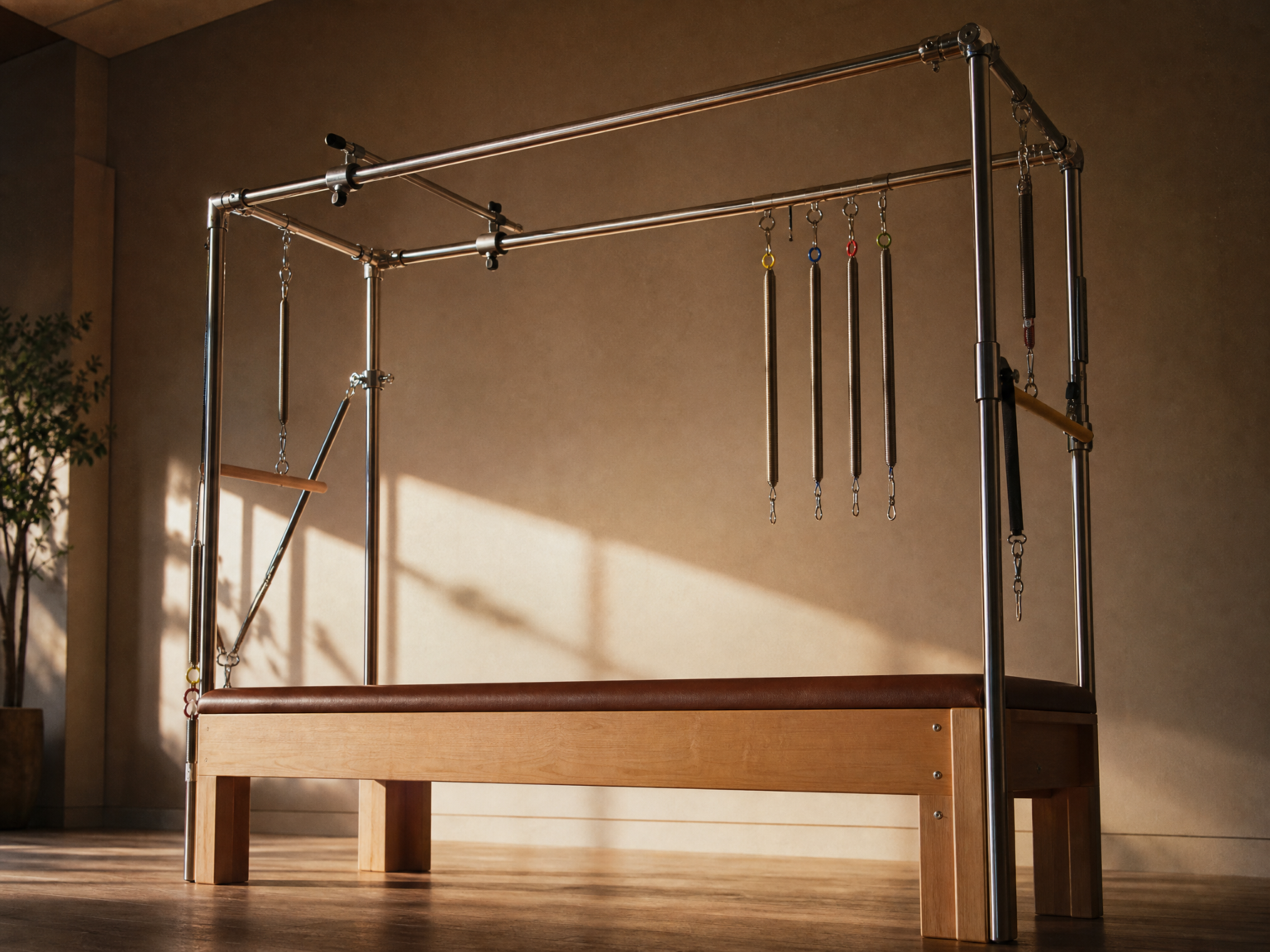
While reformer springs receive the most attention in Pilates equipment safety discussions, similar principles apply to the attachment systems used on Cadillac (trapeze table) and tower systems. These apparatus use springs in combination with leather or webbing loops, metal bars suspended by chains or straps, and roll-down bars on spring-loaded uprights — each presenting its own attachment failure risk that must be addressed in design and testing.
Cadillac push-through bars — a steel bar suspended vertically on spring tension, used for spinal extension exercises — generate significant stored energy in the spring system when the bar is pushed down against spring resistance. If the spring hook or upright bracket fails during this exercise, the bar releases upward with substantial force, presenting a serious injury risk to the user and instructor. Push-through bar attachment systems should be tested to the same safety factor standard (5× working load static pull-out) as reformer spring hooks.
Leather or webbing loops attached to spring ends on Cadillac systems present an additional failure mode: loop rupture or loop-spring interface failure. The attachment method between the loop and the spring hook — typically a metal ring sewn into the loop end — must withstand the same pull-out force requirement as the spring hook itself. Loop material must be specified with adequate tensile strength and fatigue life, and loop replacement intervals should be specified as part of the maintenance documentation. A split or fraying loop that passes visual inspection but has degraded strength from cyclic loading and UV exposure represents exactly the kind of hidden failure risk that proactive maintenance protocols are designed to prevent.
Brands developing comprehensive Pilates equipment lines should ensure that the attachment safety engineering approach — force rating, cycle life testing, inspection interval specification — is applied consistently across all spring-loaded components, not only reformer springs. The physical principles governing detachment risk are identical across apparatus types; only the specific geometry and load values differ.
How to Specify Spring Safety Requirements in OEM Contracts
For fitness brands developing commercial Pilates equipment through OEM manufacturing, spring safety specification must be addressed explicitly in the product specification documentation. Generic requirements (“high-quality springs,” “commercial grade”) are insufficient. The specification must define the engineering parameters that constitute commercial grade for this product’s application.
A complete spring safety specification for a commercial reformer should address: wire material standard (ASTM A228 or equivalent), wire diameter and tolerance, spring rate value and tolerance (e.g., 20 lbs/inch ± 5% at 6-inch extension), hook type (integrally formed, minimum hook wire diameter, hook opening range), minimum static hook pull-out force (e.g., 5× maximum rated working load), cycle fatigue rating (e.g., minimum 300,000 cycles at rated working load range), surface treatment, color-coding compliance (resistance category marking), and QC inspection coverage (AQL 1.0 sampling for spring rate, dimensional inspection of hooks).
The specification should also address the spring’s interface with the reformer — the rail pin diameter and tolerance that the spring hook must engage, and the anchor system pull-out force requirement as a complete assembly. A spring that meets all individual component specifications but is installed on an undersized rail pin that does not fully engage the hook is still a detachment risk.
Brands should also request a spring-specific FMEA (Failure Mode and Effects Analysis) from their OEM partner, documenting the identified failure modes of the spring system, their potential causes, and the design and process controls in place to prevent them. An OEM manufacturer that has conducted a thorough FMEA on their spring system demonstrates the engineering rigor appropriate for a safety-critical component.
Regulatory and Liability Context
The คณะกรรมาธิการความปลอดภัยของผลิตภัณฑ์สำหรับผู้บริโภคแห่งสหรัฐอเมริกา (CPSC) maintains guidance for fitness equipment manufacturers and importers that covers the general obligation to ensure products do not present unreasonable risks of injury. While no specific CPSC standard addresses Pilates reformer springs directly, the general duty clause of the Consumer Product Safety Act applies — meaning that a product with a known detachment risk that has not been adequately engineered and tested can be the basis for enforcement action or recall regardless of the absence of a specific standard.
In the EU, Pilates reformers sold as fitness equipment fall under the General Product Safety Directive (GPSD) and its successor the General Product Safety Regulation (GPSR), which require that products placed on the EU market are safe. EN ISO 20957-1 compliance is the clearest route to demonstrating conformity with general safety requirements for fitness equipment in the EU market. CE marking based on ISO 20957-1 provides legal presumption of conformity under EU product safety law.
From a product liability perspective, a spring detachment injury on commercial Pilates equipment creates exposure for both the equipment manufacturer and the studio operator. Brands selling commercial Pilates equipment should ensure their OEM partner carries adequate product liability insurance and that the supply agreement clearly establishes indemnification terms for product liability claims arising from manufacturing defects.
คำถามที่พบบ่อย
What causes Pilates reformer springs to detach during use?
Spring detachment occurs due to three main causes: improper seating of the hook on the rail pin (user handling error), hook distortion from wear or overload that reduces the effective hook capture depth, and fatigue fracture of the hook wire from repeated cyclic stress. Commercial studio environments accelerate all three risks — high usage frequency increases cycle counts and wear rate, while multiple users increase the likelihood of improper spring attachment technique. Regular inspection of hook geometry and mandatory spring replacement at recommended intervals are the primary preventive measures.
What safety factor should Pilates reformer springs be tested to for commercial use?
Commercial Pilates reformer springs should be tested to a minimum static hook pull-out force of 5× the maximum rated working load — meaning a spring rated at 25 lbs working resistance should withstand a 125 lb pull-out test force without detachment. The complete spring anchor system (all attachment points simultaneously loaded) should be tested to the combined maximum load of the full spring set at the same 5× safety factor. Home-grade springs are typically tested to only 3× working load, which is insufficient for commercial studio applications.
How often should Pilates reformer springs be replaced in a commercial studio?
Commercial Pilates springs rated for 200,000–300,000 cycles should be replaced on a preventive schedule of 18–24 months in a busy studio averaging 10,000+ spring cycles per month. Springs should be inspected monthly for hook distortion, visible corrosion, or coil deformation — any spring showing these signs should be removed from service immediately regardless of age. Studios operating multiple daily group sessions should apply shorter replacement intervals. Always follow the manufacturer’s documented replacement recommendations as these are based on the specific spring’s rated fatigue life.
Does EN ISO 20957 apply to Pilates reformers?
EN ISO 20957-1 (Stationary training equipment — General safety requirements and test methods) applies broadly to stationary fitness equipment and provides the primary safety framework for Pilates reformers sold in the EU and other markets that adopt the ISO 20957 series. No Pilates-specific part of ISO 20957 currently exists, so Part 1’s general requirements are the applicable reference. EN ISO 20957-1 compliance supports CE marking under the EU General Product Safety Regulation for Pilates equipment sold in the EU market.
What spring wire material should commercial Pilates springs use?
Commercial Pilates springs should be manufactured from high-carbon steel music wire meeting ASTM A228 or equivalent international specification. ASTM A228 music wire provides the high tensile strength (typically 1900–2100 MPa depending on wire diameter) and consistent mechanical properties required for springs that must maintain accurate force ratings through hundreds of thousands of cycles. Lower-grade spring steels with less consistent tensile strength produce springs with greater variation in spring rate and shorter fatigue life — making them unsuitable for commercial studio use where consistent resistance and long service life are required.
สรุป
Spring safety in Pilates equipment is a technically specific engineering challenge that sits at the intersection of materials science, mechanism design, and user safety. The risk of spring detachment — and the injury potential that risk carries — is not adequately addressed by generic “commercial grade” language in procurement specifications. It requires explicit engineering parameters: wire material and grade, spring rate accuracy tolerance, hook design and pull-out force requirement, cycle fatigue rating, surface treatment, and a documented QC inspection process that verifies these parameters on production batches.
For OEM buyers developing commercial Pilates products, establishing these requirements in writing — in the product specification and quality agreement with the manufacturer — is the minimum responsible approach. For studio operators procuring commercial Pilates equipment, requesting documentation that the spring system has been tested to an appropriate safety factor and fatigue life rating is a legitimate due diligence question that any credible manufacturer should be able to answer.
Alexandave’s Axispila Pilates equipment range is designed for commercial studio use, with spring systems specified and tested to commercial-grade requirements. Our Pilates equipment range และ product catalog provide details on available reformer configurations and spring resistance options. Our โครงการ OEM/ODM includes spring specification consultation for brands developing custom Pilates product lines. To discuss your commercial Pilates equipment requirements, ติดต่อทีมงานของเรา.