The trade policy environment affecting fitness equipment imports into North America has rarely been more complex or more consequential for brands, distributors, and OEM buyers. Between 2025 and the first half of 2026, a series of overlapping trade policy developments — the US-Taiwan Agreement on Reciprocal Trade, continued Section 301 tariffs on China-origin goods, a new round of Section 301 investigations targeting 16 economies including Taiwan, the Supreme Court’s IEEPA tariff ruling, and expanded Section 232 investigations into manufacturing sectors — have reshaped the landed cost calculations and sourcing strategy considerations for every brand importing fitness equipment into the United States and Canada.
This article provides a structured overview of the current tariff and trade policy landscape as of mid-2026, with specific attention to how each development affects fitness equipment brands sourcing from Taiwan and China. Given the pace of change in this policy environment, brands should treat this as a framework for understanding the moving parts — not a substitute for qualified customs broker advice on their specific product classifications and sourcing configurations.
The Foundational Tariff Structure: HS Codes and MFN Rates for Fitness Equipment
Before examining recent policy developments, it is useful to understand the baseline tariff structure that applies to fitness equipment imports into the United States. Fitness equipment is classified under Harmonized System (HS) Chapter 95, which covers “toys, games, sports requisites.” The specific HS codes most relevant to strength training and fitness equipment include:
- HS 9506.91: Articles and equipment for general physical exercise, gymnastics, or athletics — this covers dumbbells, barbells, kettlebells, weight plates, and free weights generally. Most Favored Nation (MFN) duty rate for goods from countries without preferential trade agreements: approximately 4.6%.
- HS 9506.99: Other sports equipment not elsewhere specified — includes racks, benches, and functional training apparatus. MFN rate typically 4% or free depending on the specific product.
- HS 8716.80: Certain weight training equipment may classify under machinery chapters rather than sporting goods, depending on the primary function. Classification disputes in this chapter can have material tariff consequences.
For goods from most Asian manufacturing origins — including Taiwan and China — the applicable base rate is the MFN rate unless a preferential trade agreement or additional tariff measure applies. Understanding the correct HS code classification for your specific product is the first essential step in any tariff analysis. HS code misclassification is one of the most common and most costly compliance errors in fitness equipment importing — and it creates exposure to back-duty assessments, penalty interest, and potential customs fraud allegations if the misclassification is deemed intentional.
Section 301 Tariffs on China: The Continuing Competitive Landscape
The Section 301 tariff regime on imports from China — initiated in 2018 under the Trump administration’s first term and maintained and expanded under both the Biden and second Trump administrations — remains the most significant trade policy factor affecting fitness equipment brands that source from China. As finalized, the Section 301 tariff increases on China-origin imports included tariff increases effective September 27, 2024, with additional increases on January 1, 2025 and January 1, 2026 for covered product categories.
For fitness equipment specifically, the current Section 301 tariff structure on China-origin goods adds a significant additional duty burden on top of the standard MFN rate. Depending on the specific HS subheading and how the USTR has classified the product, China-origin fitness equipment may face total duty rates ranging from 7.5% (minimum additional Section 301 rate) to 25% or higher on top of the base MFN rate. The cumulative effective duty rate for China-origin dumbbells, weight plates, and strength training equipment entering the United States can therefore range from approximately 12% to 30%+ depending on product-specific tariff treatment.
According to the White & Case Section 301 tariff analysis, the tariff increases are calibrated to specific HTS codes at the 8-digit and 10-digit level — making precise product-level classification essential for calculating the correct duty burden and understanding which products face the highest exposure. Brands importing a diverse range of fitness equipment products from China should review each product’s HTS classification and associated Section 301 duty rate individually, not as a uniform category assumption.
The US-Taiwan Agreement on Reciprocal Trade (2026): What Changed
One of the most significant recent trade policy developments for Taiwan-sourcing fitness equipment brands is the US-Taiwan Agreement on Reciprocal Trade, concluded in early 2026. The agreement applies the higher of either the US Most Favored Nation (MFN) tariff rate or a tariff rate of 15 percent, comprised of the MFN tariff and a reciprocal tariff.
In practical terms for fitness equipment: since the MFN rate for most fitness equipment categories is approximately 4–4.6%, and 15% is higher, Taiwan-origin fitness equipment entering the United States now faces a minimum effective tariff of approximately 15% — up from the previous MFN-only rate of 4–4.6%. This represents a meaningful increase in landed cost for Taiwan-origin fitness equipment relative to the pre-agreement baseline.
However, the competitive comparison with China-origin equipment remains strongly in Taiwan’s favor: the US-Taiwan agreement’s 15% rate is significantly lower than the cumulative duty burden facing China-origin fitness equipment under Section 301, which can total 12–30%+ depending on product classification. Taiwan-origin fitness equipment therefore retains a landed cost advantage over China-origin alternatives for North American import, even with the new reciprocal tariff structure in place.
The agreement also contains provisions under which certain products from Taiwan are excluded from the reciprocal tariff — specifically those identified in the “Potential Tariff Adjustments for Aligned Partners” annex. Whether specific fitness equipment HS codes qualify for exclusion under this annex requires individual product-level review with a customs broker familiar with the agreement’s exclusion schedules.

The New Section 301 Investigations Targeting Taiwan (March 2026)
A development of significant concern for Taiwan-sourcing brands is the initiation of new Section 301 investigations by the USTR in March 2026. On March 11, 2026, the USTR initiated Section 301 investigations into “structural excess capacity and production in manufacturing sectors” in 16 economies: China, the European Union, Singapore, Switzerland, Norway, Indonesia, Malaysia, Cambodia, Thailand, Korea, Vietnam, Taiwan, Bangladesh, Mexico, Japan, and India.
This investigation differs from previous Section 301 actions in important ways: instead of targeting a single country, the investigation targets as many as 16 countries; instead of targeting a specific policy practice, it targets “structural excess capacity and production” which can be linked to many different practices; and instead of focusing on a specific sector, the investigation is cross-sectoral, which could include the entire manufacturing sector.
The investigation covers a broad range of manufacturing sectors including aluminum, machinery, steel, and transportation equipment — categories that encompass the materials and components used in fitness equipment manufacturing. If the investigation results in tariff actions against Taiwan, the competitive tariff position of Taiwan-origin fitness equipment relative to other sourcing options could change materially. The public comment period closed in April 2026, with a public hearing held April 28, 2026. Tariff action decisions, if any, are not expected before late 2026 at the earliest.
Brands with significant Taiwan-origin sourcing should monitor this investigation’s progress closely and work with their customs brokers to model the landed cost impact of various tariff outcome scenarios. This is also an appropriate moment to consider supply chain diversification — qualifying alternative sourcing options not subject to investigation — as a risk management measure rather than waiting for tariff announcements before acting.
| Trade Policy Development | Effective Date | Impact on Taiwan-Origin Fitness Equipment | Impact on China-Origin Fitness Equipment |
|---|---|---|---|
| Section 301 tariffs (original) | 2018–2019 | No impact (Taiwan not subject) | +7.5–25% additional duty on covered products |
| Section 301 tariff increases | Sep 2024–Jan 2026 | No impact | Further rate increases on some categories |
| US-Taiwan Reciprocal Trade Agreement | Early 2026 | Minimum 15% effective rate (vs. ~4.6% MFN previously) | No impact (China not party) |
| IEEPA tariffs struck down by SCOTUS | Feb 20, 2026 | Removes broad IEEPA reciprocal tariffs; refund proceedings ongoing | Partial relief on IEEPA tariffs; Section 301 tariffs unaffected |
| New Section 301 investigation (16 economies) | Mar 2026 (initiated) | Taiwan included; potential for additional tariffs — pending outcome | China also included; separate from existing tariffs |
| Section 232 expansion (manufacturing) | Sep 2025 (initiated) | Includes machinery and industrial equipment — fitness equipment may be in scope | Same scope applies |
The IEEPA Tariff Ruling: What It Means for Fitness Equipment Importers
One of the most dramatic recent developments in the US tariff environment was the Supreme Court’s February 20, 2026 ruling that struck down tariffs imposed under the International Emergency Economic Powers Act (IEEPA). SCOTUS struck down IEEPA tariffs on February 20, 2026, leaving the refund question open for further proceedings.
The IEEPA tariffs had been imposed broadly by the Trump administration as “reciprocal tariffs” on a wide range of imports from numerous countries. Their removal — or potential removal pending the outcome of the refund proceedings — reduces one layer of tariff burden for affected importers. However, it is critical for fitness equipment brands to understand that the IEEPA tariff removal does not affect Section 301 tariffs on China-origin goods, which were enacted through a separate legal authority and were not part of the SCOTUS ruling. The landed cost advantage of Taiwan-origin over China-origin fitness equipment, where it exists, derives primarily from the Section 301 tariff differential — which remains unchanged by the IEEPA ruling.
The refund proceedings following the SCOTUS ruling may provide retroactive relief for importers who paid IEEPA tariffs — a potentially significant financial recovery for brands with substantial import volumes during the period when these tariffs applied. Working with a customs broker to identify and document IEEPA tariff payments and the applicable refund claim process is advisable for any brand that imported significant volumes of fitness equipment during the relevant period.

Country-of-Origin Determination: The Substantial Transformation Standard
One area of increasing compliance complexity for fitness equipment importers is country-of-origin determination — specifically, what rules apply to products that involve manufacturing processes or components from multiple countries. The US customs standard for determining country of origin is “substantial transformation” — the country where a product undergoes its last substantial transformation resulting in a new and different article of commerce with a distinctive character and use.
For fitness equipment assembled from imported components, the substantial transformation analysis is product-specific and can produce non-obvious results. A weight plate whose iron is melted and cast in Taiwan from imported pig iron is generally Taiwan-origin for customs purposes; an assembled rack whose tubing is cut and welded in Taiwan from Chinese-origin steel tube is more ambiguous and may require a binding ruling from US Customs and Border Protection to confirm. The increasing scrutiny of country-of-origin claims for manufactured goods — particularly in the context of tariff-driven sourcing shifts — means that brands cannot assume their products’ origin without confirming the substantial transformation analysis.
Obtaining a CBP binding ruling on country-of-origin for your specific products — particularly if your manufacturing involves components or materials from multiple countries — provides legal certainty that protects against back-duty assessments and penalty exposure. The ruling application process takes approximately 30 days and provides a documented basis for the origin claim used in customs entry.
Fitness Equipment HS Code Deep Dive: Category-Specific Tariff Implications
Understanding tariff implications at the category level — rather than applying a single assumption across all fitness equipment — allows brands to make more precise sourcing and pricing decisions. The tariff treatment of different fitness equipment types varies in ways that are commercially significant for brands with diverse product lines.
Free Weights: Dumbbells, Kettlebells, and Weight Plates
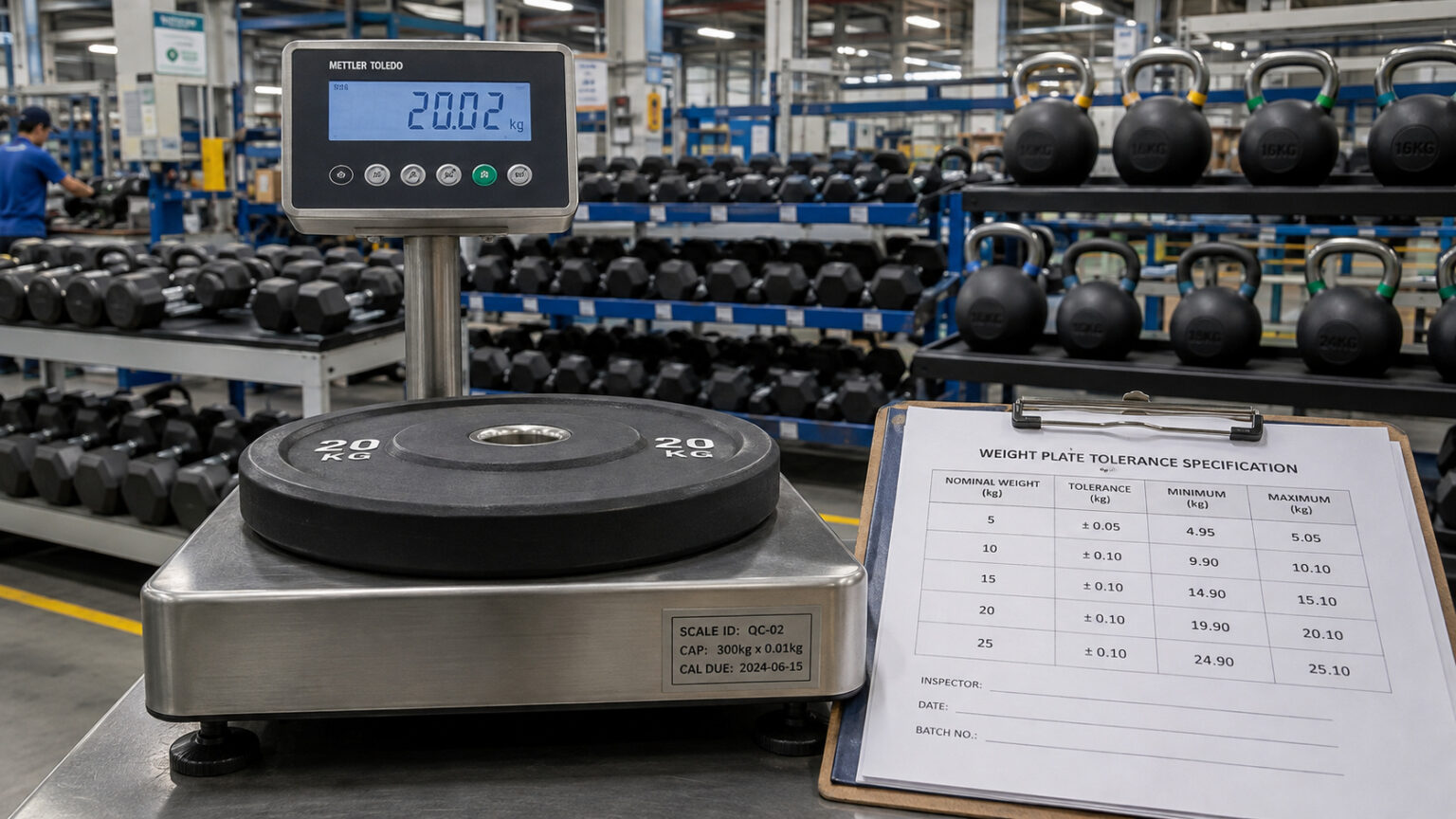
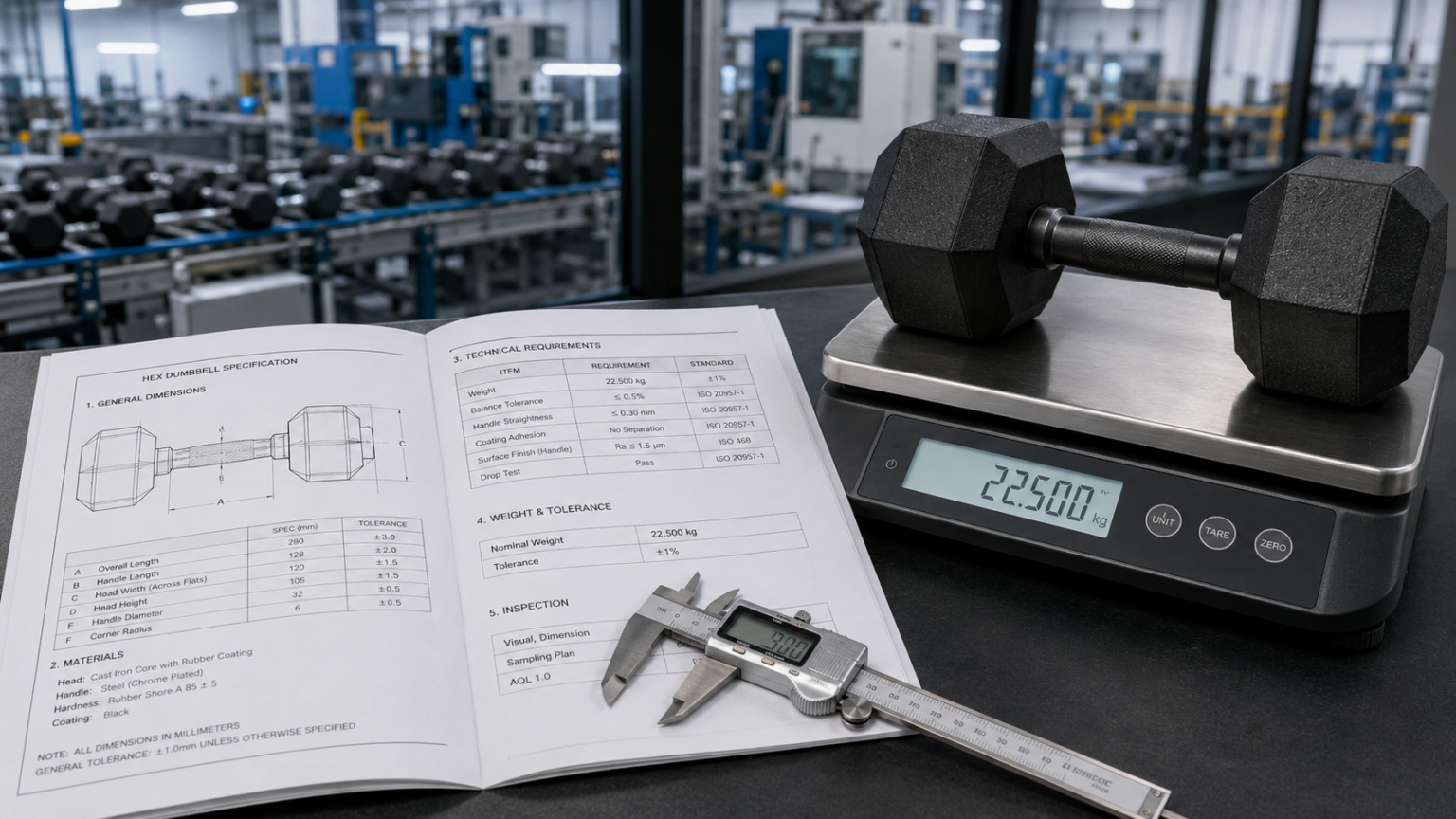
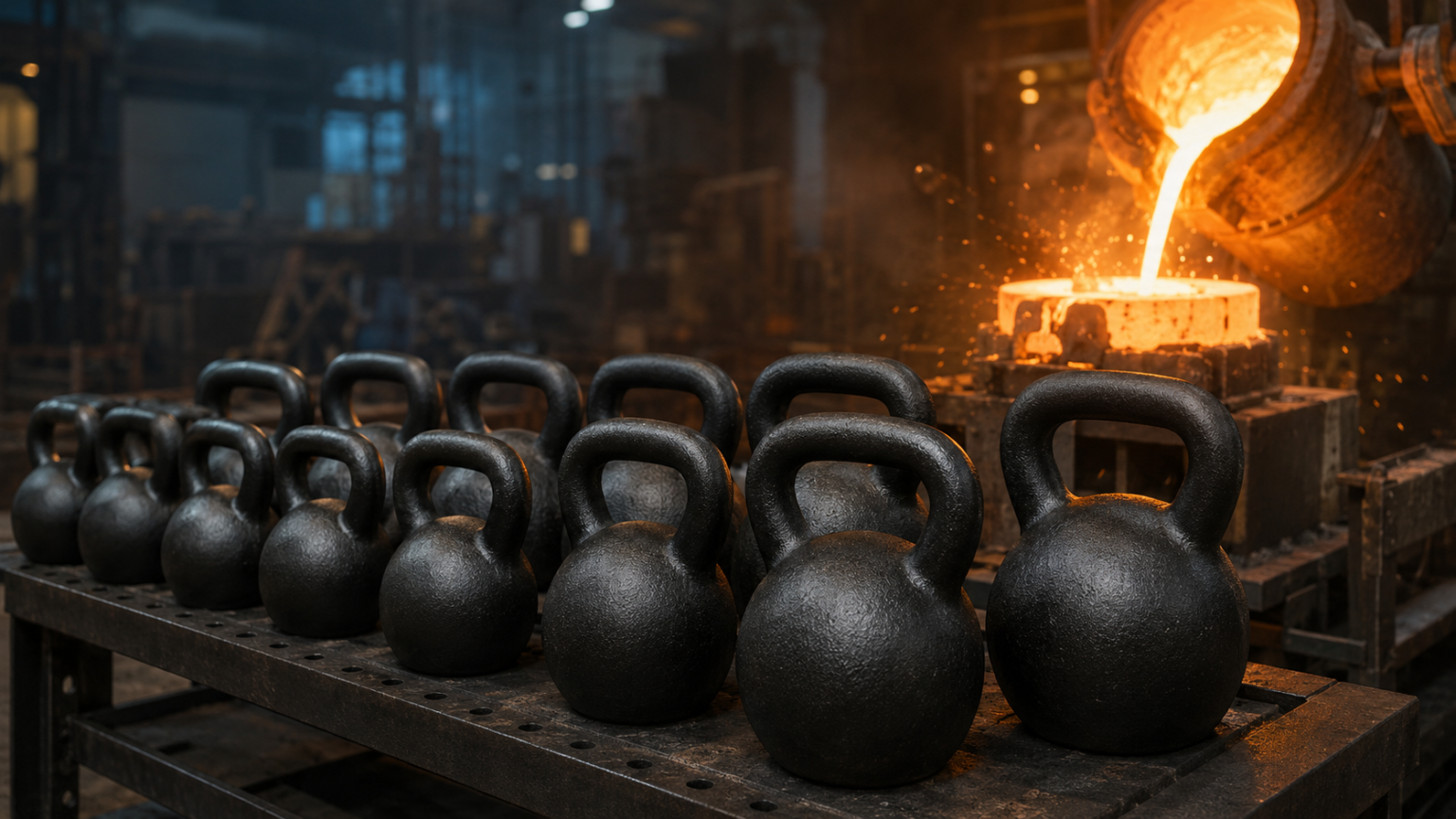
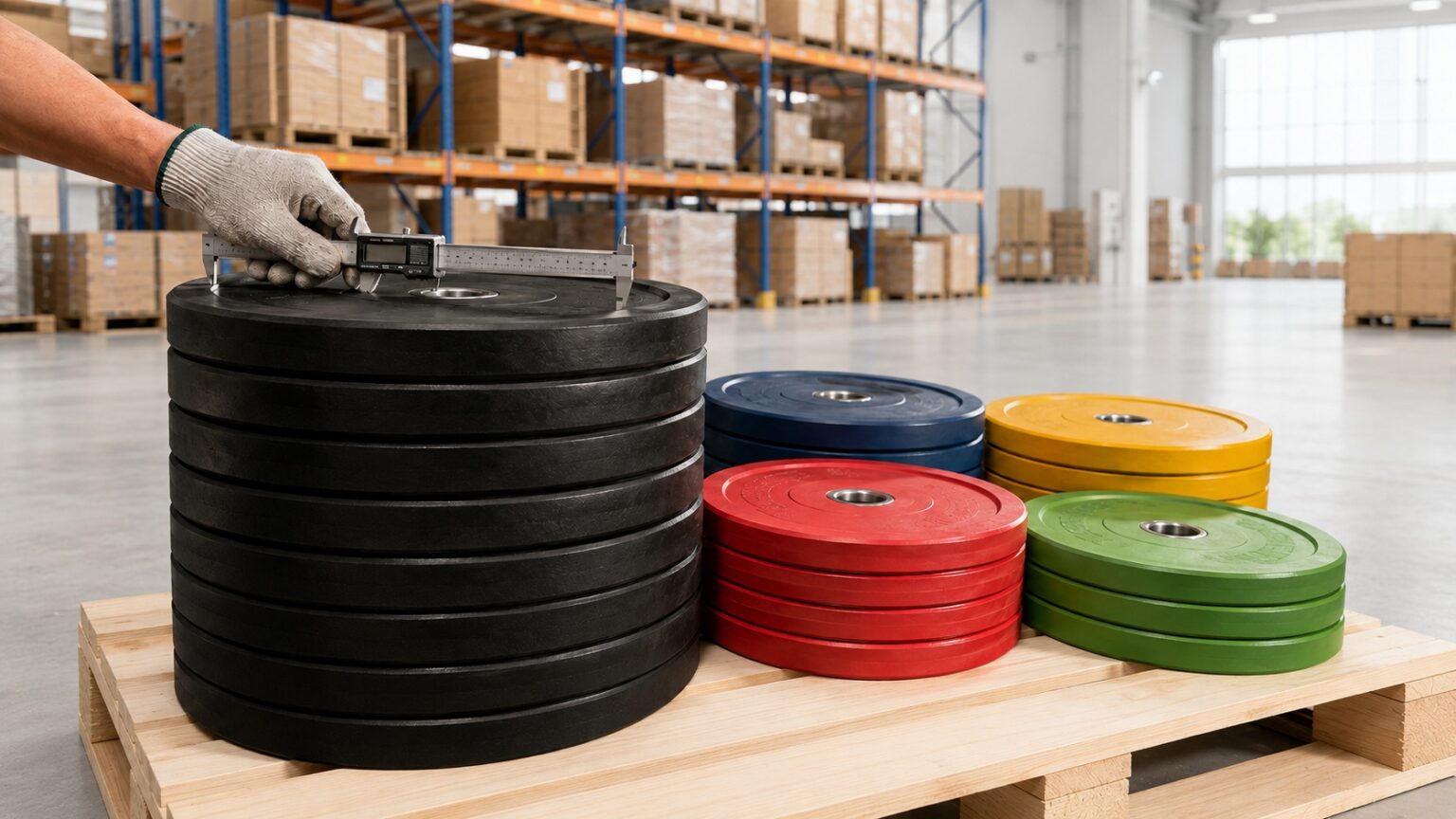
Cast iron free weights — including dumbbells, kettlebells, and standard weight plates — typically classify under HS 9506.91 in the United States. The MFN base rate for this subheading is approximately 4.6%. Under the US-Taiwan Reciprocal Trade Agreement, the effective rate becomes 15% for Taiwan-origin goods. China-origin free weights face this 4.6% MFN rate plus Section 301 additional duties, which for sporting goods under List 3 and List 4A have historically been 7.5–25% — making the cumulative effective rate for China-origin free weights approximately 12–30% depending on the specific assessment.
For calibrated competition plates, which may classify under different subheadings due to their precision engineering, the tariff treatment should be verified separately rather than assumed to follow the standard free weight classification. Brands importing calibrated plates should obtain HTS classification confirmation from a licensed customs broker before finalizing landed cost models for this product category.
Structural Equipment: Racks, Benches, and Cable Machines
Power racks, squat stands, and functional cable machines present classification complexity because they may fall under multiple HS chapters depending on their primary function determination: HS Chapter 95 (sports and fitness equipment), HS Chapter 94 (furniture and furnishing-type articles), or HS Chapter 84 (machinery and mechanical appliances). Classification under different chapters carries materially different MFN duty rates and may result in different Section 301 tariff exposure for China-origin goods.
Structural fitness equipment that includes electronic components — integrated cable management systems, digital weight selection displays, or smart connectivity — may create additional classification complexity under Chapter 85 (electrical machinery). Brands importing complex multi-function training systems should request a CBP binding ruling on classification before the first import shipment to establish a documented position that withstands customs audit scrutiny.
Pilates Equipment
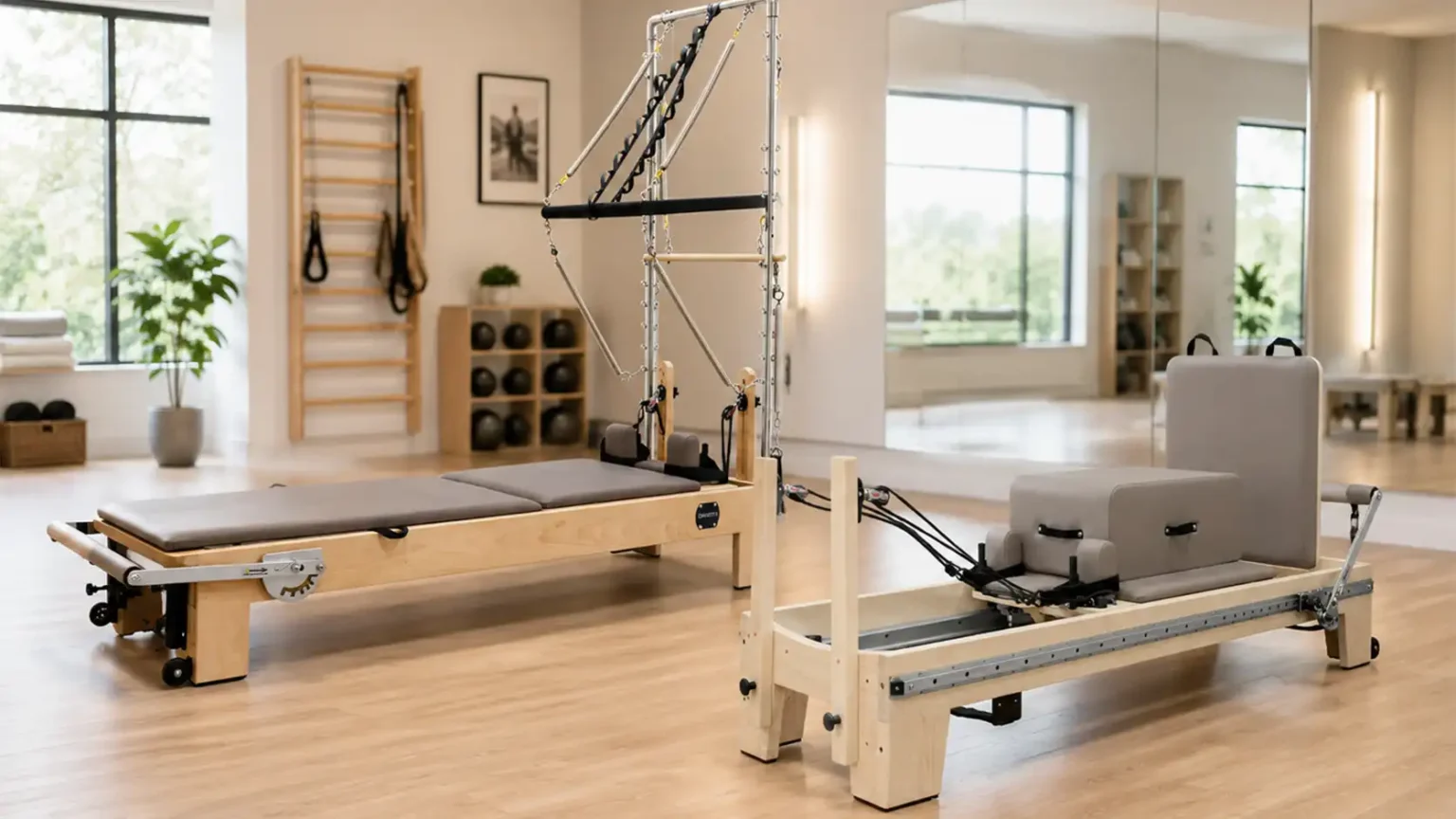
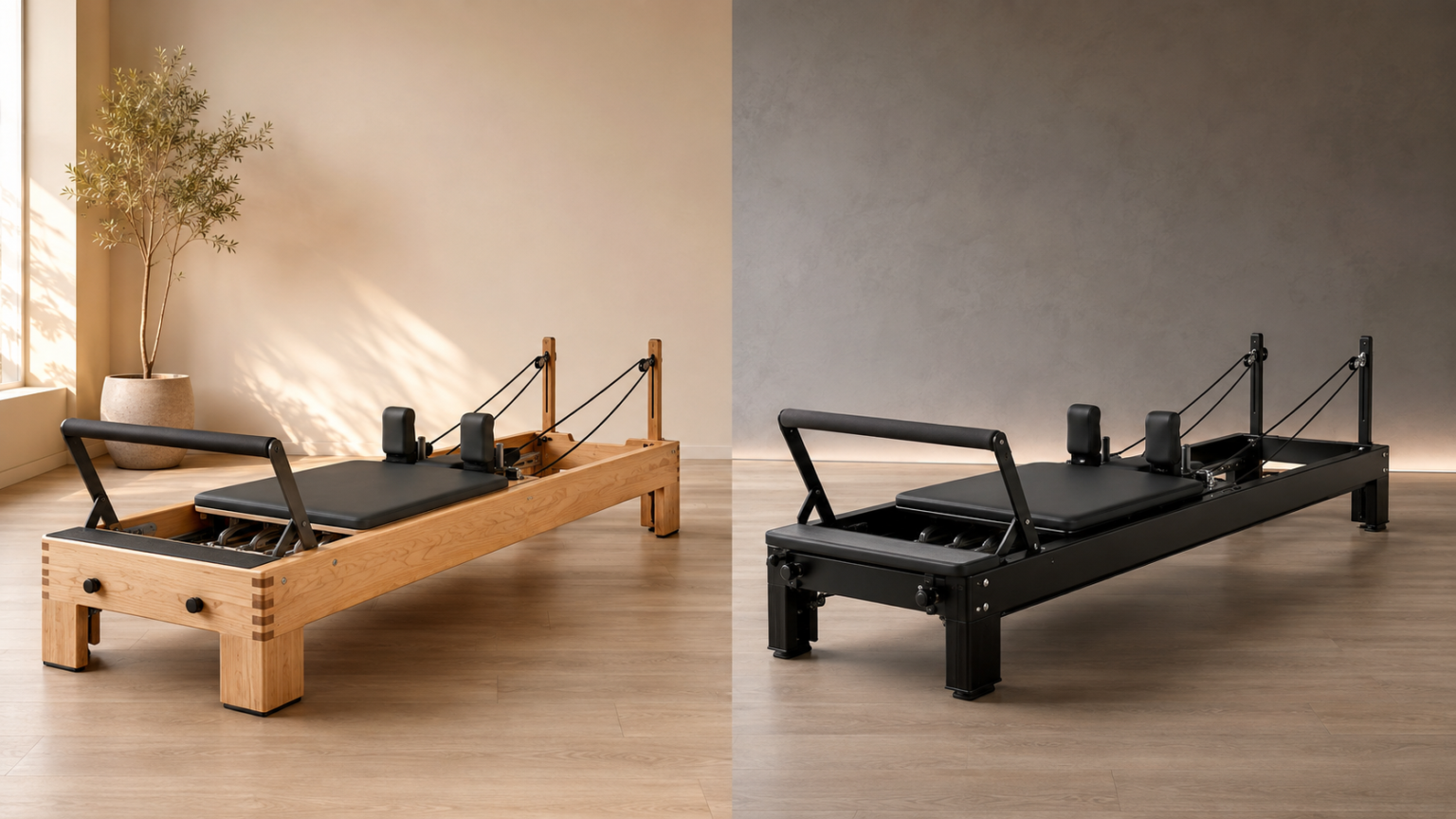
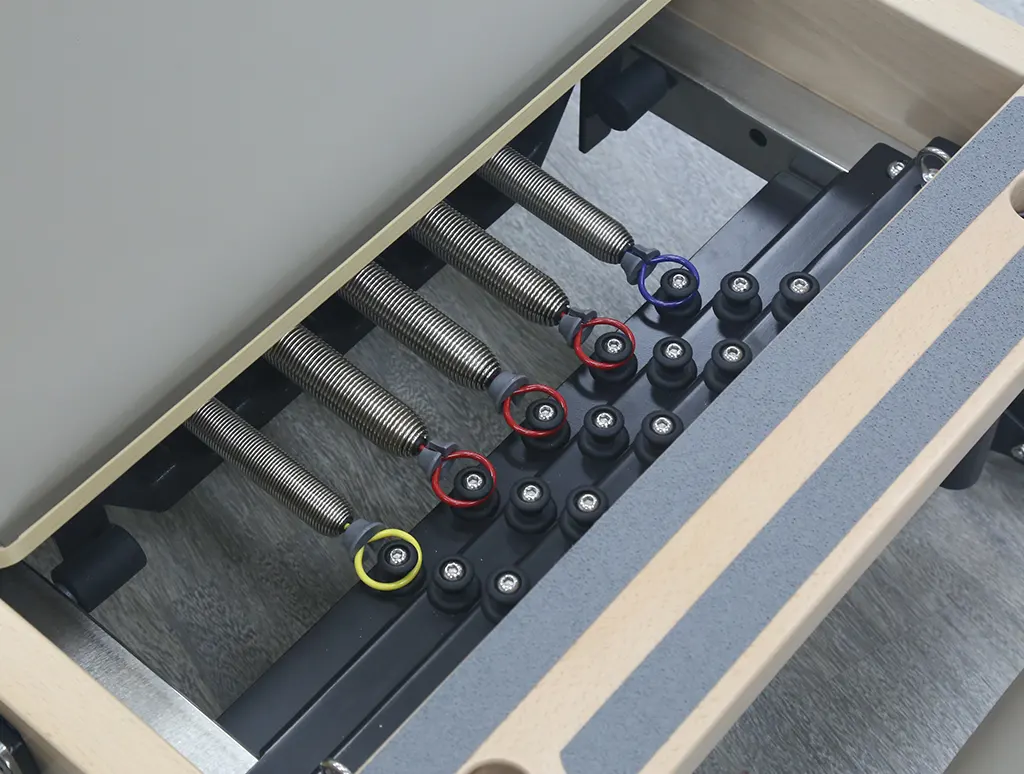
Commercial Pilates reformers and apparatus — with their combination of structural frames, spring mechanisms, and upholstered surfaces — present a product-specific classification question. Most Pilates reformers classify under HS 9506.91 (articles for general physical exercise) with the corresponding MFN rate, though the classification should be confirmed for specific product configurations. The relatively low MFN rate for this classification means that the tariff structure, while higher than pre-2026 levels under the reciprocal trade agreement, does not fundamentally alter the economics of Taiwan-origin Pilates equipment sourcing for the US market.
Resistance Accessories and Recovery Tools
Resistance bands, massage rollers, soft weights, and exercise accessories typically classify under HS 9506.99 or specific subheadings within Chapter 95, with MFN rates generally in the range of 0–4%. For these lower-priced, higher-volume accessory items, tariff amounts per unit are modest in absolute terms — but percentage impacts on landed cost are proportionally larger for low-priced accessories than for high-priced structural equipment. Brands with large accessory SKU counts should include HS classification review in their annual compliance processes, as classification positions for accessories can drift without regular review.
The Importance of an Annual HS Code and Trade Compliance Audit
The regulatory environment for fitness equipment imports has changed enough in 2024–2026 that brands who last reviewed their HTS classifications and trade compliance position more than 18 months ago are almost certainly operating with outdated information. An annual trade compliance audit — conducted with a licensed customs broker experienced in sporting goods and fitness equipment imports — should cover five areas:
- HTS classification review: Confirm that every product is classified under the correct 10-digit HTS code, with rationale documented. Flag any products where classification is ambiguous or where recent CBP guidance has updated the classification landscape.
- Country-of-origin verification: Confirm that substantial transformation analysis for each product is documented and supportable. Identify any products where multi-country component sourcing creates origin uncertainty.
- Section 301 rate confirmation: For China-origin products, confirm the current applicable Section 301 rate for each product’s HTS code, accounting for rate changes effective in 2024, 2025, and 2026.
- Reciprocal tariff applicability: For Taiwan-origin products, confirm whether the reciprocal tariff applies to each product’s HTS code or whether exclusion provisions apply.
- IEEPA refund eligibility: Identify any imports during the IEEPA tariff period that may be eligible for duty refund claims following the SCOTUS ruling, and document the refund claim basis and timeline.
The cost of this annual review is modest relative to the tariff exposure it identifies and manages. Brands with $1 million or more in annual import value should regard trade compliance audit as a standard risk management expenditure rather than an optional discretionary cost. According to the USTR’s US-Taiwan Reciprocal Trade Agreement fact sheet, the two-way trade in goods and services between the US and Taiwan amounted to more than $185 billion in 2024 — underscoring the scale of the economic relationship and the significance of the policy changes affecting it.
Practical Strategies for Fitness Equipment Importers in 2025–2026
Against the backdrop of this complex policy environment, fitness equipment brands and distributors can take several practical steps to manage tariff exposure, reduce compliance risk, and maintain competitive landed cost positions.
Classify Products Correctly and Verify Regularly
HS code classification is the foundation of all tariff calculations, compliance obligations, and exclusion eligibility assessments. Brands should work with a licensed customs broker to review and confirm the correct 10-digit HTS classification for every product they import, and should repeat this review annually or when product specifications change materially. Classification errors compound over time and generate significant back-duty exposure when discovered in customs audits.
Monitor the New Section 301 Investigation
The March 2026 Section 301 investigation targeting Taiwan and 15 other economies is a material risk factor for brands with Taiwan-origin sourcing. Subscribe to USTR Federal Register notices and work with a trade policy monitoring service — such as the Trade Compliance Resource Hub’s tariff tracker — to receive timely updates on investigation progress, hearing dates, proposed tariff actions, and comment opportunities. Filing comments through the public hearing process is an opportunity for fitness equipment importers to present their economic case to USTR before tariff decisions are made.
Model Multiple Tariff Scenarios
Given the policy uncertainty, brands should model their landed cost and margin exposure under multiple tariff scenarios: current rates, a scenario with Taiwan-origin tariff increases (in the event the new Section 301 investigation results in additional duties), and a scenario reflecting IEEPA refund receipt. This scenario modeling should inform both current pricing strategy and supply chain diversification investment decisions — allowing brands to act proactively rather than reactively when tariff changes are announced.
Evaluate Supply Chain Diversification
For brands concentrated in a single sourcing geography, the current policy environment is a prompt to evaluate qualified alternative sources. Countries not currently subject to the new Section 301 investigation, and not facing elevated tariff burdens for fitness equipment HS codes, may offer landed cost advantages worth qualifying. However, qualification of a new manufacturing source involves meaningful time and cost investment — factory audit, sample development, OQC setup, and the accumulated production knowledge that comes with an established relationship. Diversification planning should begin well before it becomes a supply chain emergency. Our company background and OEM/ODM services provide context for evaluating Taiwan-based manufacturing against alternative sourcing options.

The Canadian Market: A Different Tariff Landscape
Canada’s tariff treatment of fitness equipment differs from the US framework, and brands distributing in both markets should understand the distinction rather than applying US tariff assumptions to Canadian import planning. Canada applies MFN tariff rates under its Customs Tariff, with rates for fitness equipment generally in the range of 0–6.5% depending on the specific product and HS classification. Canada does not apply the China-specific Section 301 additional tariffs that the US imposes — though Canada does have its own set of trade remedy measures on certain Chinese goods following separate investigations.
Canada’s bilateral trade relationships — including CUSMA (the Canada-United States-Mexico Agreement), the Comprehensive and Progressive Agreement for Trans-Pacific Partnership (CPTPP), and the Canada-European Union Comprehensive Economic and Trade Agreement (CETA) — provide preferential tariff rates for goods from qualifying origin countries. Fitness equipment from Taiwan does not qualify for CPTPP preferences in Canada (Taiwan is not a CPTPP member), meaning Taiwan-origin goods enter Canada at standard MFN rates without the additional tariff complexity that currently affects US entry of Taiwan-origin goods.
Frequently Asked Questions
What is the current effective tariff rate on Taiwan-origin fitness equipment entering the US?
Following the US-Taiwan Agreement on Reciprocal Trade concluded in early 2026, Taiwan-origin fitness equipment entering the US faces a minimum effective tariff of approximately 15% — the higher of the MFN rate (approximately 4–4.6% for most fitness equipment HS codes) or the 15% reciprocal tariff rate established by the agreement. Some products may qualify for exclusion from the reciprocal tariff component under specific annex provisions — confirm with a customs broker for your specific products.
Are Section 301 tariffs still applied to China-origin fitness equipment?
Yes. Section 301 tariffs on China-origin goods continue to apply and were not affected by the SCOTUS IEEPA ruling in February 2026. China-origin fitness equipment faces cumulative duty rates that can range from approximately 12% to 30%+ depending on the specific HTS classification, making China-origin fitness equipment significantly more expensive to import into the US than Taiwan-origin alternatives even at the new 15% reciprocal tariff level for Taiwan.
What is the new Section 301 investigation targeting Taiwan about?
The USTR initiated a Section 301 investigation in March 2026 targeting 16 economies, including Taiwan, for “structural excess capacity and production in manufacturing sectors.” The investigation is cross-sectoral and could result in additional tariffs on a broad range of manufactured goods from Taiwan including fitness equipment components. The investigation was in the public comment and hearing stage as of mid-2026; tariff action decisions are not expected before late 2026 at the earliest.
Does the IEEPA tariff ruling affect fitness equipment importers?
The SCOTUS ruling striking down IEEPA tariffs on February 20, 2026 may reduce tariff burden for importers who were subject to IEEPA-based “reciprocal tariffs.” However, it does not affect Section 301 tariffs on China-origin goods, which were enacted under separate legal authority. Brands that paid IEEPA tariffs during the applicable period should work with a customs broker to assess eligibility for refund claims through the ongoing refund proceedings.
Should fitness equipment brands consult a customs broker about their specific tariff exposure?
Yes — emphatically. The current tariff environment involves multiple overlapping tariff regimes, product-specific HS code classification nuances, country-of-origin determination questions, and rapidly evolving policy developments that require specialized customs expertise. General business counsel cannot adequately assess fitness equipment-specific tariff exposure. Engaging a licensed customs broker with experience in sporting goods and fitness equipment import classification provides the legal certainty, compliance documentation, and strategic tariff planning support that this environment requires.
Conclusion
The tariff and trade policy landscape affecting fitness equipment imports into North America as of mid-2026 is characterized by significant complexity, active policy evolution, and genuine uncertainty about future tariff structures. The US-Taiwan Reciprocal Trade Agreement has introduced a 15% minimum tariff on Taiwan-origin goods — increasing landed costs relative to the pre-agreement baseline — while the new Section 301 investigation targeting Taiwan creates potential for further tariff increases that brands should monitor and prepare for.
At the same time, Taiwan-origin fitness equipment retains a meaningful competitive cost advantage over China-origin alternatives, where Section 301 tariffs continue to add 7.5–25% or more on top of base duty rates. The strategic implication for brands managing both cost competitiveness and trade policy risk is a combination of precise HS classification, active policy monitoring, scenario-based landed cost modeling, and considered supply chain diversification planning. If you are evaluating Taiwan-based OEM manufacturing in the context of the current tariff environment, our team is available to discuss production partnership options and provide export documentation support for your customs compliance process.