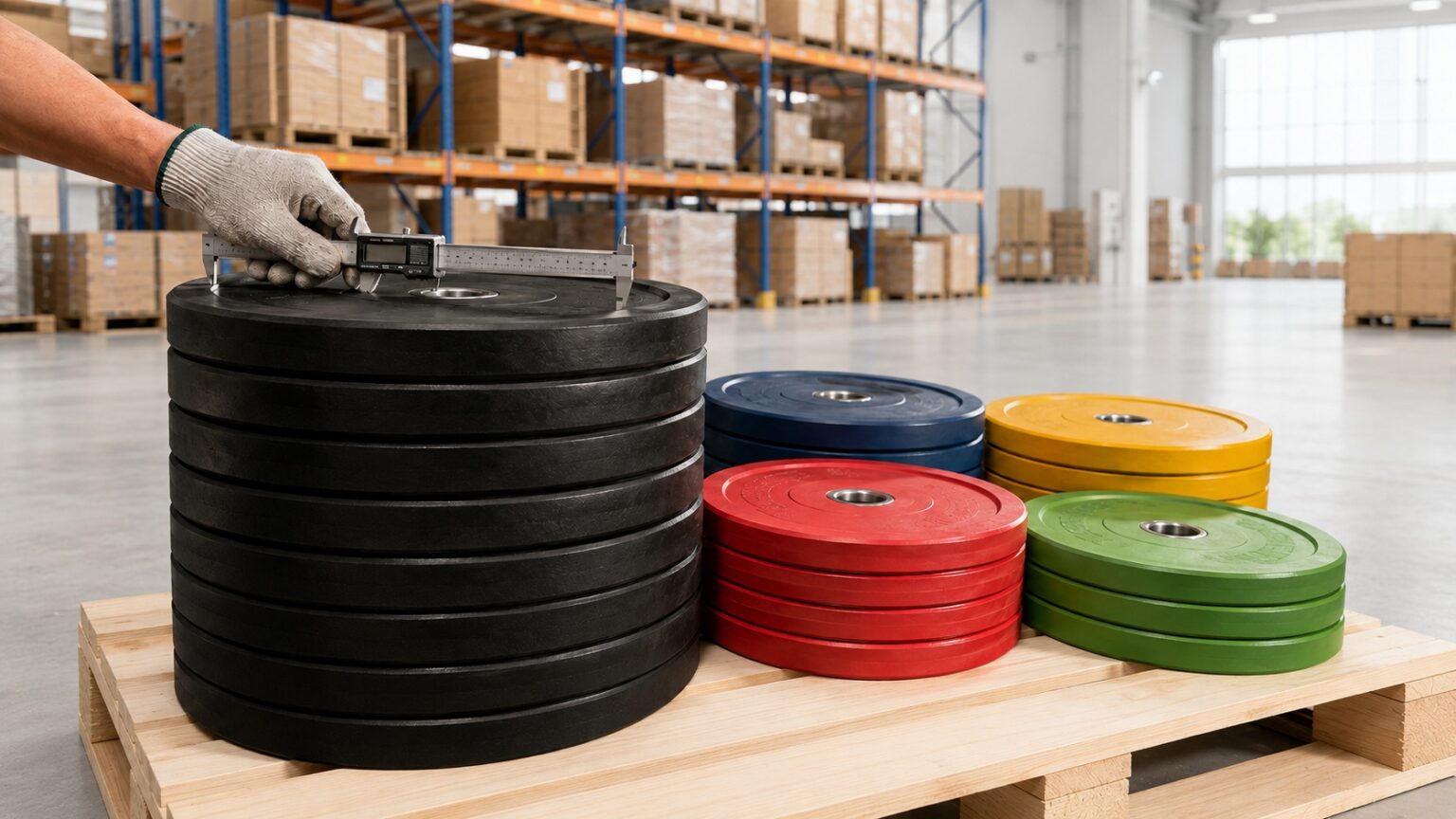
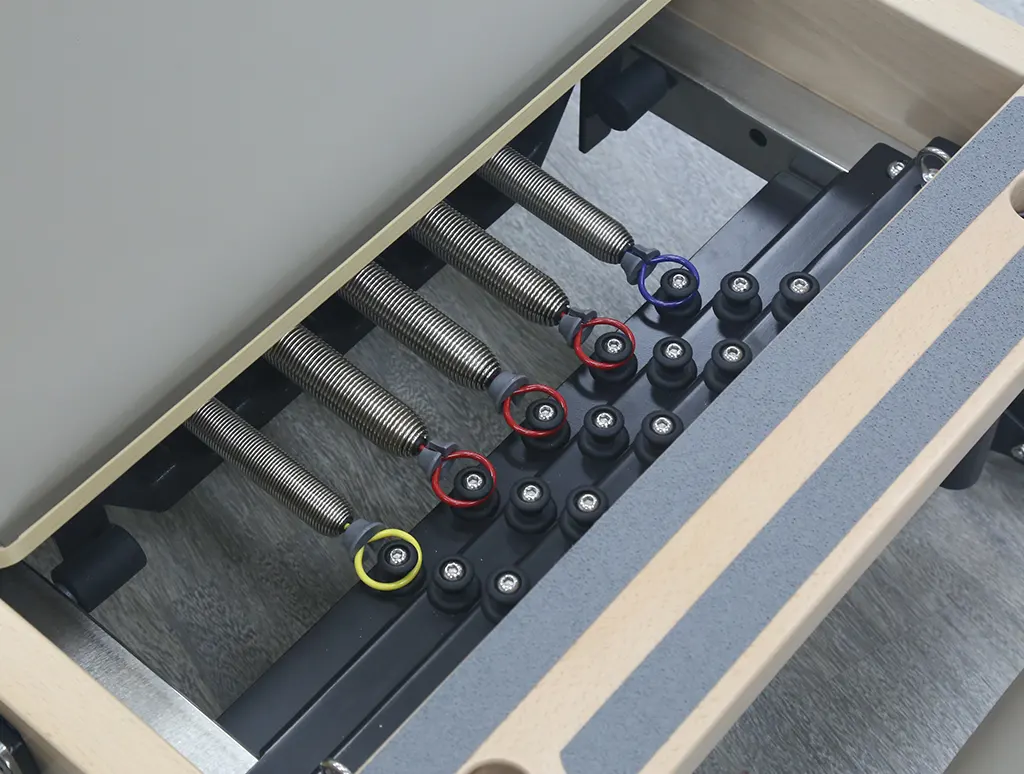
Fitness equipment is a single product category — but it encompasses two structurally distinct markets that differ in buyer type, purchase decision criteria, product specification requirements, distribution channels, and OEM manufacturing implications. The home fitness market and the commercial fitness market are both growing, but they are growing for different reasons, through different channels, and toward buyers with fundamentally different priorities. For brands, distributors, and OEM buyers who are evaluating where to focus product development and sourcing investment, understanding the precise differences between home fitness vs commercial fitness equipment is an essential strategic foundation.
This article provides a structured comparison of the two markets — drawing on current market data, product specification analysis, and OEM sourcing considerations — to help brands make informed decisions about which market they are serving, whether their product specifications align with the right market segment, and what sourcing strategy best supports their channel ambitions.
Market Size: Two Distinct but Complementary Markets
The quantitative difference in scale between home and commercial fitness equipment markets is one of the most commonly misunderstood aspects of fitness equipment industry structure. Home fitness equipment is a substantially larger market by absolute value — while commercial equipment commands higher individual unit prices and larger single-transaction volumes.
According to Fortune Business Insights, the global home fitness equipment market was valued at USD 12.88 billion in 2025, projected to reach USD 22.99 billion by 2034 at a CAGR of 6.81%. The commercial fitness equipment market, tracked separately by Market Data Forecast, was valued at USD 2.28 billion in 2025, projected to reach USD 3.40 billion by 2034 at a CAGR of 4.53%. The home market is therefore approximately 5.6× larger than the commercial market by value — though this ratio reflects vastly different average transaction sizes and buyer profiles.
The residential segment’s market dominance does not mean it is the higher-margin opportunity for every brand. The commercial segment is the fastest-growing application area, fueled by the reopening and expansion of gyms and fitness centers worldwide, with increased investments in advanced fitness equipment to attract and retain members. Commercial gym operators purchasing 20–50 machines per order represent very different economics from consumer e-commerce transactions. The right market depends on the brand’s existing relationships, product specifications, and channel capabilities — not simply on which segment is larger.
The Home Fitness Market: Defining Characteristics
The home fitness equipment market is consumer-driven, e-commerce-accelerated, and space-constrained. These three characteristics shape virtually every product specification, pricing, and distribution decision that brands must make when addressing this segment.
Consumer Buyer Profile and Purchase Behavior
Home fitness equipment buyers are individual consumers making discretionary spending decisions. Their purchase decision process is fundamentally different from institutional B2B procurement: it is driven by visual appeal, brand recognition, price sensitivity, online reviews, content creator recommendations, and the promise of a fitness outcome rather than technical specification compliance.
The typical home fitness equipment buyer in North America is 25–55 years old, fitness-active or fitness-aspirational, purchases primarily through e-commerce (Amazon, brand DTC websites, Walmart.com), and is highly influenced by social proof mechanisms — star ratings, review counts, and influencer content. Online sales in home fitness equipment are growing at a CAGR of 9.37% through 2031, significantly outpacing offline retail growth, reflecting the consumer channel’s structural shift toward DTC and marketplace e-commerce.
Price sensitivity is a defining feature of the home market. The majority of home fitness equipment revenue is concentrated in the mid-price tier — products that balance performance features against space and budget constraints in residential settings. Medium price range equipment commands the leading market share, as consumers balance performance features against space and budget constraints in residential settings. Premium-priced home fitness products exist and command meaningful share (Peloton, Technogym’s home lines, REP Fitness), but they target a smaller segment of committed enthusiasts and affluent buyers.
Space Efficiency as a Core Design Constraint
The most distinctive product design constraint in home fitness equipment is space. Urban apartment dwellers, suburban homeowners with one-car garages, and consumers fitting a fitness corner into a living space are all working with dramatically smaller footprints than a commercial gym floor. This space constraint translates into product design priorities that differ fundamentally from commercial equipment design:
- Compact footprints: Home dumbbells, adjustable benches, and foldable racks are designed for minimal floor space when not in use. A home-market squat rack might fold down to 18 inches deep against a wall; a commercial equivalent may be permanently installed at 48 inches deep with safety walk-out zones.
- Multi-function integration: Home equipment frequently combines multiple exercise functions into single products — adjustable dumbbells replacing full sets, multi-functional trainers combining cable, press, and row functions in a single unit. Commercial equipment can afford category specialization that home buyers cannot accommodate.
- Noise and floor protection: Rubber coating, vibration-absorbing feet, and low-impact design features address the neighbor complaint and floor damage concerns of apartment or home use. Commercial facilities design their spaces around equipment; home users design (or compromise) their spaces around a product.
Connectivity and Smart Features in the Home Market
Smart equipment leads the home gym market by category with a 54.0% share in 2026, reflecting the consumer fitness market’s embrace of connected fitness ecosystems — products that integrate with apps, stream fitness content, track workout data, and connect to wearables. This technology integration trend is primarily a home market phenomenon; commercial equipment’s digital integration typically serves gym management and member data systems rather than the entertainment and motivation functions that drive home market smart feature adoption.
For OEM buyers developing home fitness product lines, the smart connectivity dimension creates additional product development complexity: electronics sourcing, firmware development or licensing, app integration, and ongoing software support requirements that extend the product development cycle and add regulatory compliance considerations (FCC, CE-RED for connected devices) to the product specification.
The Commercial Fitness Market: Defining Characteristics
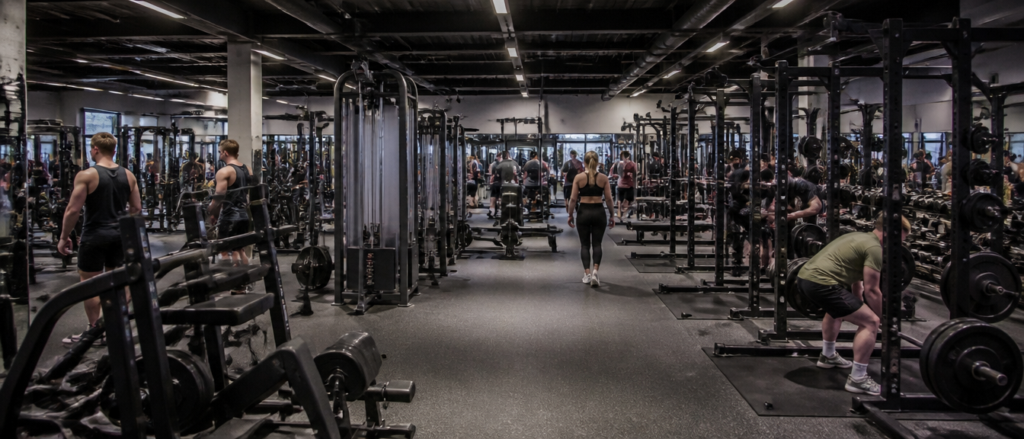
The commercial fitness equipment market is B2B-driven, specification-intensive, and durability-oriented. It operates through fundamentally different procurement channels from the home market, with buyers who are institutional professionals making multi-year capital investment decisions rather than individual consumers making discretionary purchases.
B2B Buyer Profile and Procurement Process
Commercial fitness equipment buyers include gym chain procurement managers, boutique studio operators, hotel fitness center directors, corporate wellness facility managers, university athletics departments, and healthcare institution purchasing teams. These buyers evaluate equipment against a set of institutional criteria:
- Durability and service life: Commercial equipment must withstand daily multi-user use across 8–12 hour operating days for 10–15 year installation cycles. The total cost of ownership calculation — initial purchase price plus service cost plus replacement frequency — drives specification decisions more than the purchase price alone.
- Warranty and service infrastructure: Commercial buyers require manufacturer warranty coverage for structural and mechanical components (typically 3–5 years for frames, 1–2 years for electronics and upholstery) and access to spare parts and service technicians. A gym operator who purchases 30 treadmills cannot afford weeks-long downtime waiting for parts — they require established service networks.
- Safety certification compliance: Commercial facilities must comply with their local jurisdiction’s fitness equipment safety standards. In the US, equipment used in commercial environments is typically required to meet ASTM standards for the relevant product category. In Europe, EN 957 compliance is required. These standards impose structural testing, component durability, and labeling requirements that exceed what is typical for home market products.
- Ergonomics and user accommodation range: Commercial equipment serves users across the full adult population size and fitness level range. Adjustment ranges must accommodate the shortest and tallest users, lightest and heaviest users, and most deconditioned to most advanced fitness levels simultaneously.
The procurement process in commercial channels involves multiple stakeholders, longer sales cycles (typically 2–6 months from initial inquiry to order), competitive bid processes for larger orders, and formal technical specification review. Commercial buyers do not make purchase decisions based on an Amazon listing — they visit trade shows (IHRSA, FIBO, China Sport Show), request product demonstrations, request reference site visits, and evaluate comprehensive technical documentation.
Commercial Equipment Structural Specifications
The structural specification difference between home and commercial fitness equipment is one of the most practically significant distinctions for OEM buyers. Unlike consumer-grade home fitness equipment, commercial fitness gear is built to withstand continuous operation and frequent use by multiple users. This translates into specific structural differences:
- Steel gauge: Commercial rack uprights typically use 7-gauge (4.76mm) or thicker wall steel; home market racks commonly use 11-gauge (3.05mm) or 12-gauge steel. The difference in structural load capacity is substantial — a properly designed 7-gauge commercial rack may carry 1,000–2,000+ lbs; a 12-gauge home rack may be rated at 300–600 lbs.
- Coating durability: Commercial equipment coatings must withstand daily cleaning with commercial cleaning solvents, abrasion from repeated equipment adjustments, and UV exposure in windowed facilities. Powder coat specifications for commercial equipment typically require salt spray corrosion resistance testing (typically 500+ hours) that home market products do not need to meet.
- Upholstery and foam density: Commercial bench pads and seat cushions use higher-density foam (typically 2.0–2.5 lb/ft³ or higher) that resists compression fatigue over thousands of use cycles. Home market pads use lower-density foam that is adequate for personal use frequency but would degrade rapidly under commercial use patterns.
- Hardware and fastener specifications: Commercial equipment uses higher-grade hardware — grade 8 bolts at structural joints, welded or threaded steel inserts rather than wood or plastic thread inserts at adjustment points — that maintains structural integrity through the thousands of adjustment cycles that daily multi-user use generates.
| Specification Dimension | Home Fitness Equipment | Commercial Fitness Equipment |
|---|---|---|
| Primary buyer | Individual consumer | Gym operator / institutional buyer |
| Purchase channel | E-commerce, retail, DTC | Trade rep, distributor, direct sales |
| Decision driver | Price, aesthetics, brand, reviews | Durability, warranty, total cost of ownership |
| Steel gauge (racks) | 11–14 gauge | 7–11 gauge |
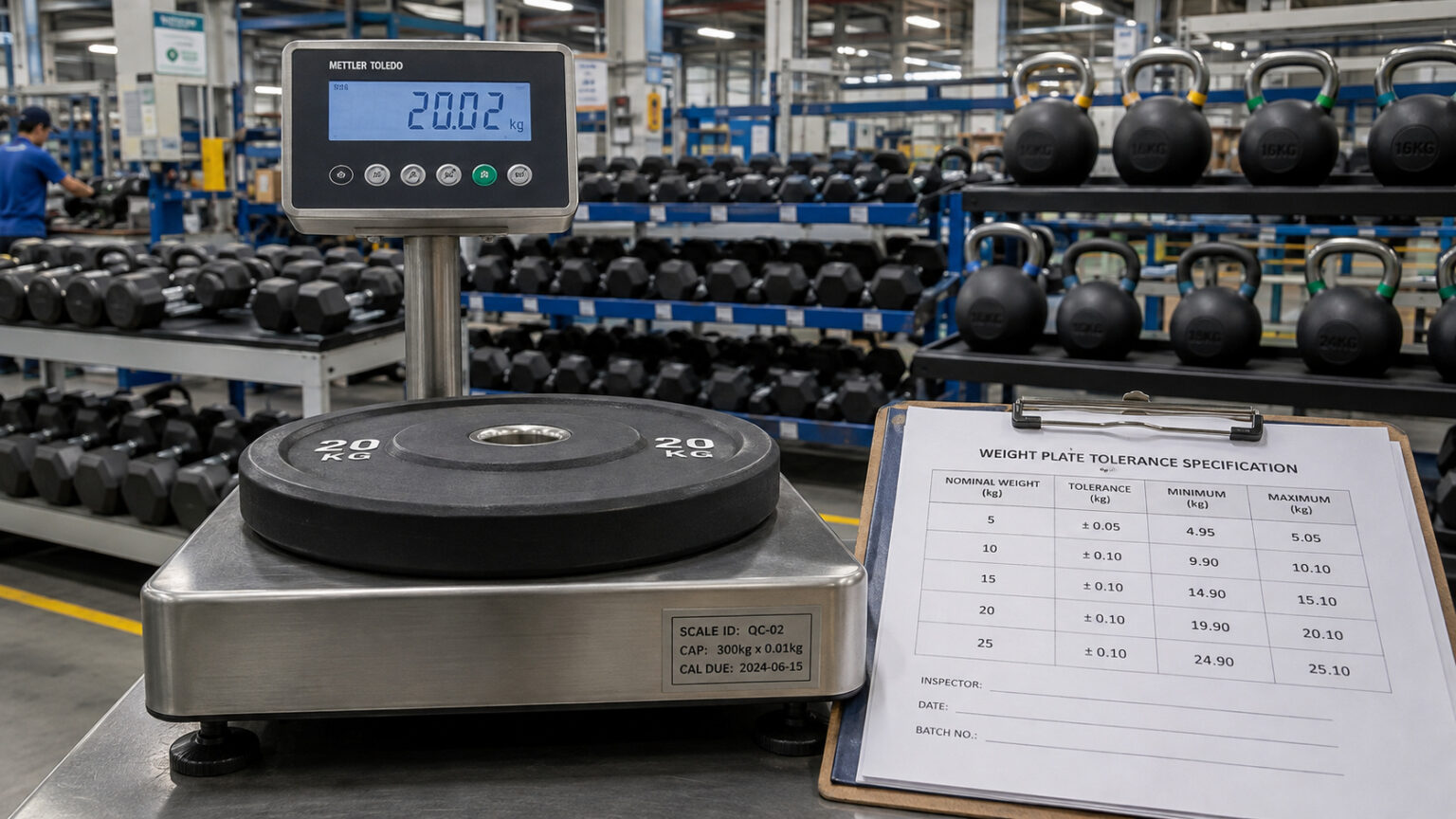
| Weight tolerance (free weights) | ±3–5% | ±2–3% (standard); ±0.25% (calibrated) |
| Coating standard | Basic powder coat or paint | Salt spray tested; chemical resistant |
| Foam density (pads) | 1.2–1.8 lb/ft³ | 2.0–2.5+ lb/ft³ |
| Safety certification | CPSC (US); CE (EU) — basic | ASTM (US); EN 957 (EU) — full commercial |
| Warranty expectation | 1 year residential | 3–5 years frame; 1–2 years parts |
| Expected service life | 3–7 years | 10–15 years |
| Smart connectivity | Often integrated (54% smart in 2026) | Gym management / member data focus |
OEM Implications: How Market Positioning Shapes Production Specifications
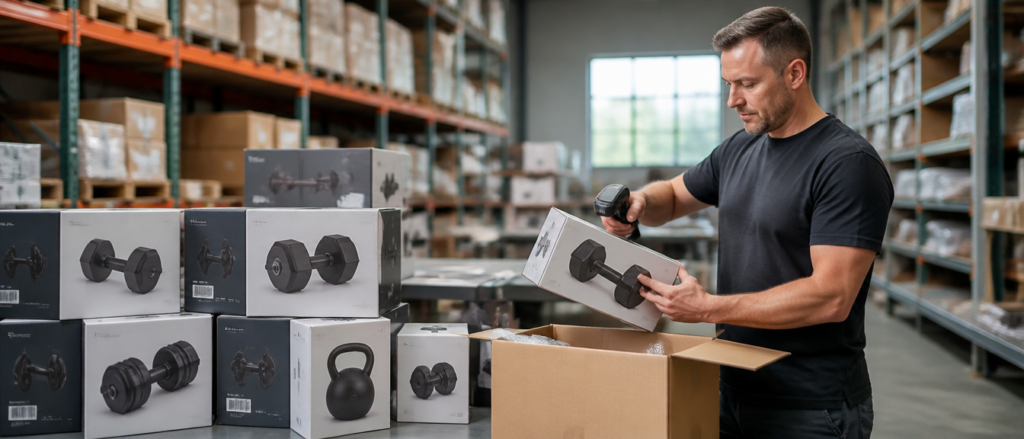
For OEM buyers developing or sourcing fitness equipment products, the home vs commercial distinction maps directly to production specification choices that significantly affect unit cost, development timelines, and supply chain requirements. Understanding the specification implications of your target market before approaching manufacturers prevents the common mistake of either over-engineering home products (paying commercial-specification costs for a consumer price point) or under-specifying commercial products (creating liability exposure and warranty failure in institutional environments).
Free Weight Specifications by Channel
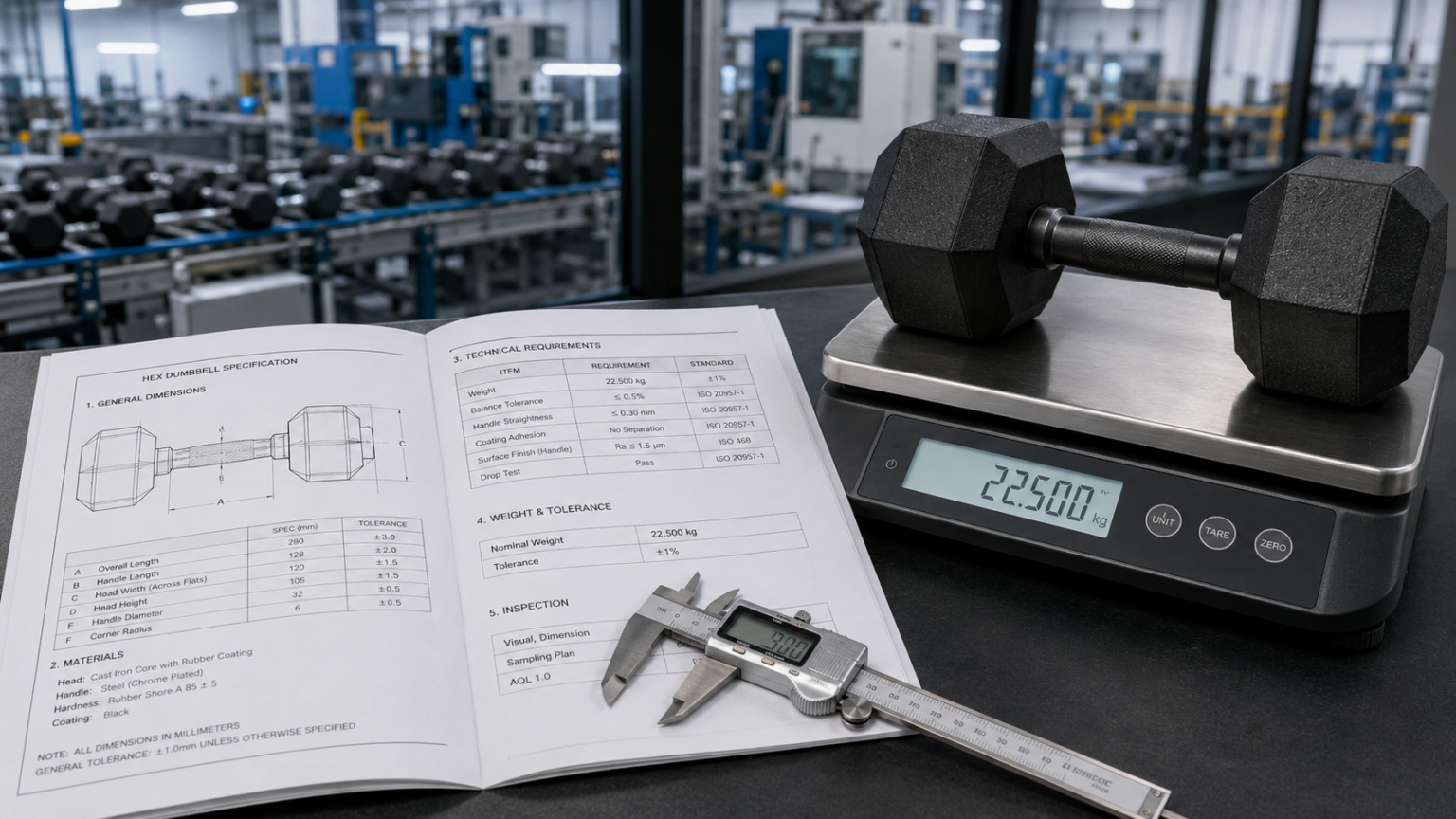
Rubber-coated dumbbells illustrate the specification differentiation clearly. For the home e-commerce channel, the product specification prioritizes: attractive aesthetics (consistent color across denominations, visible weight marking), moderate rubber quality (SBR with 20–30% recycled content is standard), and lightweight retail packaging optimized for dimensional weight shipping cost. For the commercial channel, the specification shifts to: uniform rubber surface across thousands of handling cycles (CPU coating preferred over SBR), cast iron core density for compact dimensions in commercial rack storage, and commercial-grade rubber compound adhesion tested against cleaning chemical exposure.
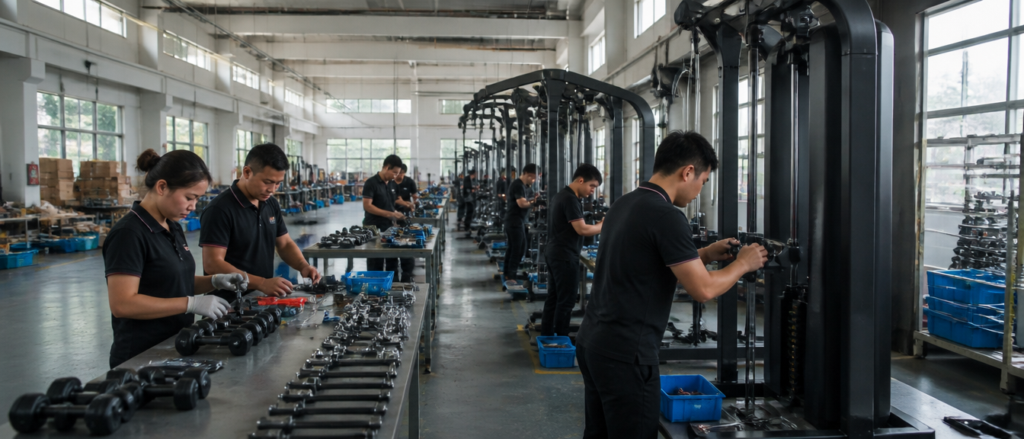
Both products are “rubber dumbbells” — but they are produced to different material specifications, different tolerance standards, and different packaging requirements that reflect the different buyer priorities in each channel. Our ALEX Athletics strength equipment line offers both home-market and commercial-market specification tiers to give OEM buyers the right product for their channel without over-engineering either.
Packaging Design as an OEM Specification Variable
Packaging is one of the most consequential and most neglected specification variables when comparing home vs commercial channel requirements. Home channel packaging must withstand individual parcel shipping (including conveyor belt sorting, delivery vehicle loading, and doorstep drop), present attractively for consumer unboxing, and minimize dimensional weight for courier cost optimization. Commercial channel packaging is designed for pallet shipment in LTL freight, with heavy-duty corrugated cartons optimized for stacking strength rather than individual handling or aesthetic presentation.
OEM buyers who develop a product for commercial channel distribution and then decide to launch the same product through Amazon without redesigning the packaging frequently encounter high damage rates in transit — commercial pallet-optimized packaging does not survive the individual parcel handling environment. The reverse is also true: consumer-optimized packaging is structurally inadequate for LTL freight stacking loads. Packaging must be specified for the intended distribution channel, not assumed to be interchangeable.
Compliance Documentation by Channel
Compliance documentation requirements also differ significantly between channels. Home market products sold through major US retailers (Amazon, Target, Dick’s Sporting Goods) must comply with CPSC regulations and, depending on the retailer’s requirements, ASTM voluntary standards with test documentation. Commercial market products sold to gym operators must meet commercial-use ASTM standards with higher structural test loads and documentation that the gym’s insurance carrier and facility manager can review. Exporting to Europe requires CE marking for both channels, but the EN 957 commercial standard imposes additional test requirements beyond the basic consumer level.
According to Market Research Future’s fitness equipment home and gym training market analysis, the commercial segment’s emphasis on innovation, integrated technology, and enhanced user engagement underscores the B2B procurement priority for specification-credible, professionally documented equipment — not just aesthetically appealing products.
The Emerging Hybrid Market: Products Designed for Both Channels
While the home and commercial markets have historically been served by distinct product lines and distinct supply chains, a meaningful product category is emerging that bridges both channels — driven by consumers who want commercial-quality fitness equipment in their home environments, and by boutique commercial operators who value the design sensibility and compact footprint of premium consumer products.
The Premium Home Fitness Buyer
A growing segment of home fitness consumers — typically high-income, fitness-dedicated adults who have outgrown entry-level home equipment — is willing to pay commercial-grade prices for commercial-grade specifications in a home-friendly form factor. This buyer is purchasing a garage gym build with a 7-gauge commercial power rack, competition-grade calibrated bumper plates, and CPU-coated urethane dumbbells that they could find in any professional CrossFit facility or strength coaching center. They make purchasing decisions more like institutional buyers — evaluating structural specifications, weight certifications, and warranty terms — while shopping through consumer channels (DTC brand websites, specialty fitness retailers).
Brands serving this segment occupy a commercially advantageous position: they can price at commercial-grade levels while distributing through consumer channels, achieving gross margin structures that are superior to conventional consumer fitness products. The OEM specification for this segment is genuinely commercial-grade — not “commercial-inspired” consumer product with marketing language that implies more than the specification delivers. Buyers in this category are sophisticated and will discover specification discrepancies.
Boutique Commercial Operators Adopting Consumer-Influenced Design
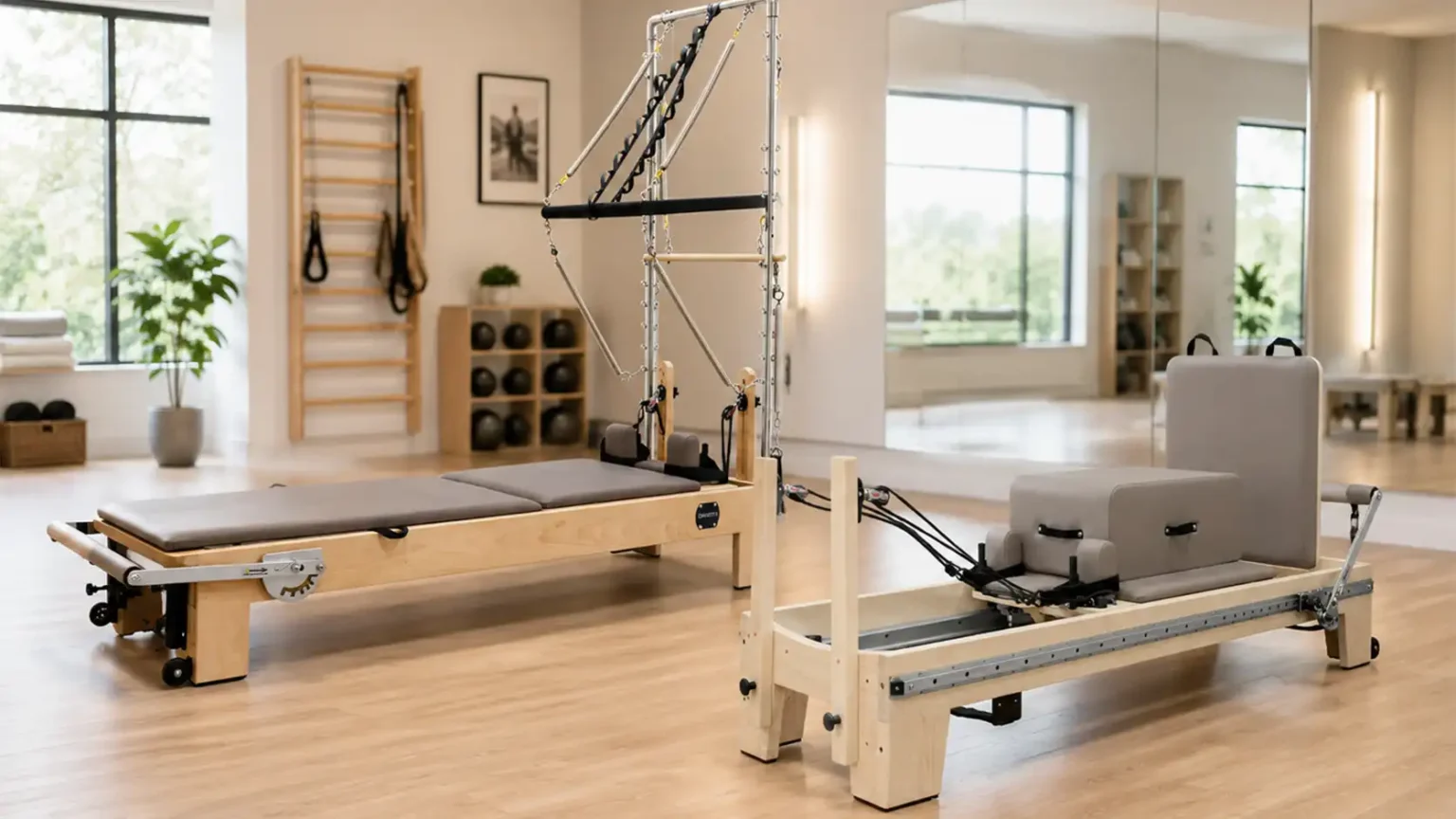
At the commercial end, boutique fitness studios — particularly Pilates studios, yoga/barre studios, and high-design personal training facilities — increasingly value the aesthetic sensibility that premium consumer equipment brands have pioneered. These commercial buyers want equipment that fits architectural fitness interior design language: clean lines, premium material finishes, natural wood accents, and a visual vocabulary that communicates premium experience rather than institutional utility. They are willing to specify and pay for commercial-grade durability if the product also delivers the aesthetic quality their facility design requires.
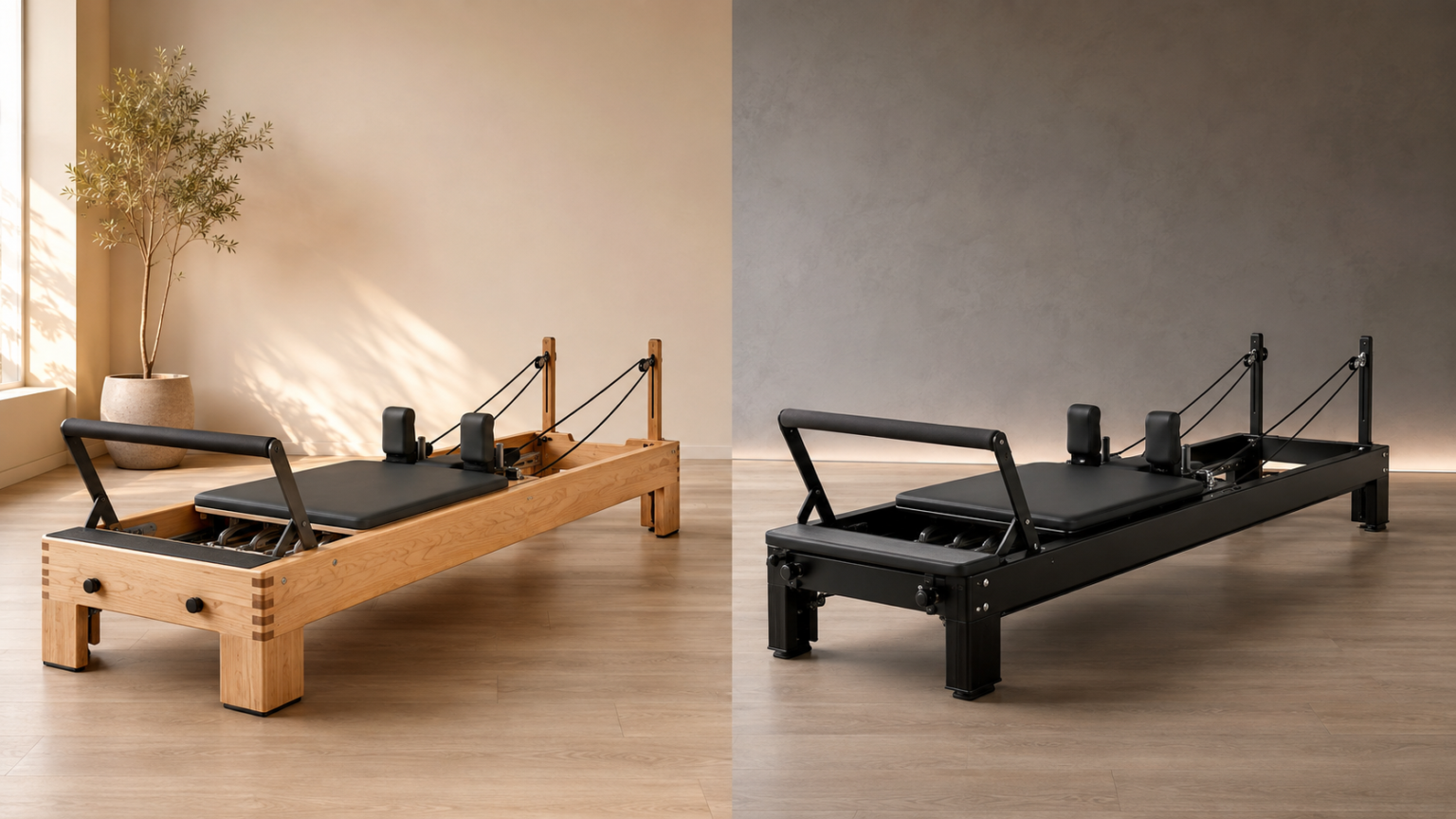
This demand signal creates an OEM development opportunity for brands that can combine genuinely commercial structural specifications with premium consumer-influenced aesthetic execution. The specification complexity is higher than either pure home or pure commercial product development — engineering teams must simultaneously optimize for structural load certification, daily multi-user durability, and a design language appropriate for architecturally curated interiors. However, the commercial opportunity — premium pricing, boutique commercial channel distribution, and brand differentiation that conventional commercial equipment cannot offer — justifies the investment for brands with the right target market access.
E-Commerce Considerations for Home Fitness OEM Programs
For OEM buyers developing home fitness products specifically for e-commerce distribution, several operational considerations shape the product and packaging specification in ways that differ from the commercial channel:
Dimensional weight optimization: Courier and parcel freight charges are calculated using the greater of actual weight and dimensional weight (a formula based on carton volume). For fitness equipment — which is inherently heavy — dimensional weight typically does not apply; actual weight dominates. However, for compact accessories (resistance bands, soft weights, grip tools), packaging dimensions affect shipping cost directly. Specifying the smallest acceptable carton dimensions for your product, without compromising protection, is a cost optimization step worth quantifying at the OEM specification stage.
Amazon FBA compliance: For brands using Amazon FBA (Fulfilled by Amazon), there are specific packaging requirements around carton strength, barcode placement, label clarity, and product preparation standards that must be incorporated into OEM packaging specifications. Receiving rejections at FBA intake due to non-compliant packaging creates logistics delays and repackaging costs that are preventable with proper upfront specification. Confirm Amazon’s current FBA packaging requirements for your product category with your logistics team before finalizing OEM packaging specifications.
Returns and damage management: E-commerce home fitness products experience higher return rates and transit damage rates than commercial channel products, due to the individual parcel shipping environment and consumer return behavior. Building drop-test standards into your OEM packaging specification — requesting a packaged drop test result from the factory as part of packaging approval — provides evidence-based assurance that the packaging will protect the product through typical parcel handling.
Can a Single Product Line Serve Both Markets?
A common strategic question for brands entering or expanding in the fitness equipment market is whether a single product line can serve both home and commercial channels — or whether dedicated product tiers are required. The answer is category-dependent and market-positioning-dependent.
For free weights — dumbbells, kettlebells, and weight plates — products specified at commercial-grade quality (CPU or urethane coating, tight weight tolerance, commercial rubber compound) can successfully serve both channels. Commercial-grade free weights are sold through retail and e-commerce at premium price points where health-conscious consumers value the quality signal of commercial-grade specification. A 20kg CPU-coated dumbbell set positioned as “commercial-grade for home” commands a meaningful retail premium over standard rubber alternatives and serves both the boutique gym operator and the premium home gym buyer.
For structural equipment — racks, benches, and cable machines — the specification gap between home and commercial tiers is large enough that a single product satisfying both is practically difficult without either over-engineering the home product or under-specifying the commercial. The typical solution is tiered product architectures: a home series (lighter gauge, foldable variants, compact footprint) and a commercial series (heavy gauge, permanent installation design, full safety certification documentation), with clear differentiation in naming, certification claims, and marketing positioning.
Distribution Channel Strategy: Matching Product to Channel
Channel strategy is the bridge between product specification and market access. The distribution models for home and commercial fitness equipment are sufficiently distinct that brands typically need different channel strategies for each — which has implications for their manufacturing partner relationships and OEM production planning.
Home market distribution relies on: retail partnerships (sporting goods chains, big-box retailers, department stores), e-commerce marketplace presence (Amazon, Walmart Marketplace, brand DTC website), and increasingly, social commerce and influencer-driven discovery channels. Commercial market distribution relies on: specialized fitness equipment distributors with established gym operator relationships, direct sales teams for major accounts, presence at trade shows (IHRSA, FIBO, Asia Fitness), and reputation-building through reference site placements in high-profile gyms or hotel chains.
The operational requirements of each channel — home channel’s need for smaller MOQs, consumer-ready packaging, e-commerce content, and return handling; commercial channel’s need for technical sales support, specification documentation, service network, and installation support — influence which manufacturing partners and which OEM program structures best support each channel’s go-to-market requirements. Our OEM/ODM services are structured to support brands building dedicated home market programs, commercial market programs, or dual-channel strategies with appropriate specification differentiation for each.
Frequently Asked Questions
What is the key difference between home fitness and commercial fitness equipment?
The fundamental differences are durability specification, safety certification standard, buyer type, and distribution channel. Commercial equipment is designed for multi-user daily use over 10–15 year lifespans, must meet commercial-grade safety standards (ASTM, EN 957), is purchased by institutional B2B buyers, and distributed through specialized fitness equipment distributors. Home equipment is designed for personal use frequency, meets consumer product safety standards, is purchased by individual consumers, and distributed primarily through retail and e-commerce channels.
Are the market sizes of home and commercial fitness equipment similar?
No — the home fitness equipment market is approximately 5.6× larger than the commercial market by value ($12.88 billion vs $2.28 billion in 2025). However, commercial equipment generates higher individual transaction values (gym operators buy 20–50+ units per order) and commands higher per-unit prices due to its commercial-grade specification requirements. Both markets are growing, though home fitness is growing slightly faster (6.81% vs 4.53% CAGR).
Can I use the same OEM product specification for both home and commercial channels?
For free weights (dumbbells, kettlebells, plates), a commercial-grade specification can successfully serve both channels at a premium price point. For structural equipment (racks, benches, cable machines), the specification gap between home and commercial tiers is generally large enough to require dedicated product tiers — a home series optimized for compact footprint and consumer price points, and a commercial series meeting institutional durability and safety certification requirements.
How does packaging differ between home and commercial fitness equipment channels?
Home channel packaging must withstand individual parcel courier handling (drop impacts, conveyor sorting), present attractively for consumer unboxing, and minimize dimensional weight for courier cost optimization. Commercial channel packaging is designed for pallet shipment via LTL freight, with heavy-duty corrugated cartons optimized for stacking strength. These requirements are not interchangeable — channel-specific packaging must be specified in your OEM brief and production agreement.
What certification requirements differ between home and commercial fitness equipment?
In the US, home market products must comply with CPSC regulations; commercial products must meet ASTM commercial-use standards with higher structural test loads and documentation for institutional insurance requirements. In Europe, both channels require CE marking, but commercial equipment must comply with EN 957 commercial standards with additional structural and durability test requirements beyond consumer-level certification. Confirming the applicable standards for your specific product category and target market with a compliance specialist is advisable before specifying your OEM production brief.
Conclusion
The distinction between home fitness and commercial fitness equipment is not merely one of quality level — it is a structural difference in buyer type, procurement process, product specification, safety compliance, distribution channel, and OEM production requirements. Brands that understand and respect this distinction build product lines that genuinely serve their target channel’s buyer priorities; brands that blur the distinction tend to either over-engineer and overprice products for the home market or under-specify and underperform for the commercial market.
Whether you are building a home market product line, a commercial market program, or a dual-channel strategy with appropriate tiering, a manufacturing partner with genuine capability across both specification levels — and the engineering depth to help you define the right specifications for each channel — is one of your most important strategic assets. Connect with our team to discuss how our OEM programs support both market segments across our full range of strength, Pilates, and senior wellness equipment lines.