For fitness equipment brands and distributors who have historically focused on consumer retail and commercial gym channels, the medical distribution sector represents one of the most significant and least-explored growth opportunities available. The rehabilitation equipment market — encompassing therapy devices, functional exercise equipment, and recovery tools used in hospitals, physical therapy clinics, outpatient rehabilitation centers, and home care settings — is larger than the commercial fitness equipment market and growing faster than either commercial or home fitness channels.
The convergence of aging demographics, rising chronic disease burden, healthcare system cost pressures, and evolving clinical standards of care is driving structural expansion in the rehabilitation equipment space that will continue regardless of broader economic cycles. For fitness equipment manufacturers and brands with products that overlap the clinical specification requirements of the medical channel, the question is not whether this opportunity is real — the data makes that case compellingly — but how to enter the channel effectively and what product adjustments are required to compete credibly in a procurement environment governed by clinical criteria rather than consumer preference.
The Rehabilitation Equipment Market: Size and Growth Context
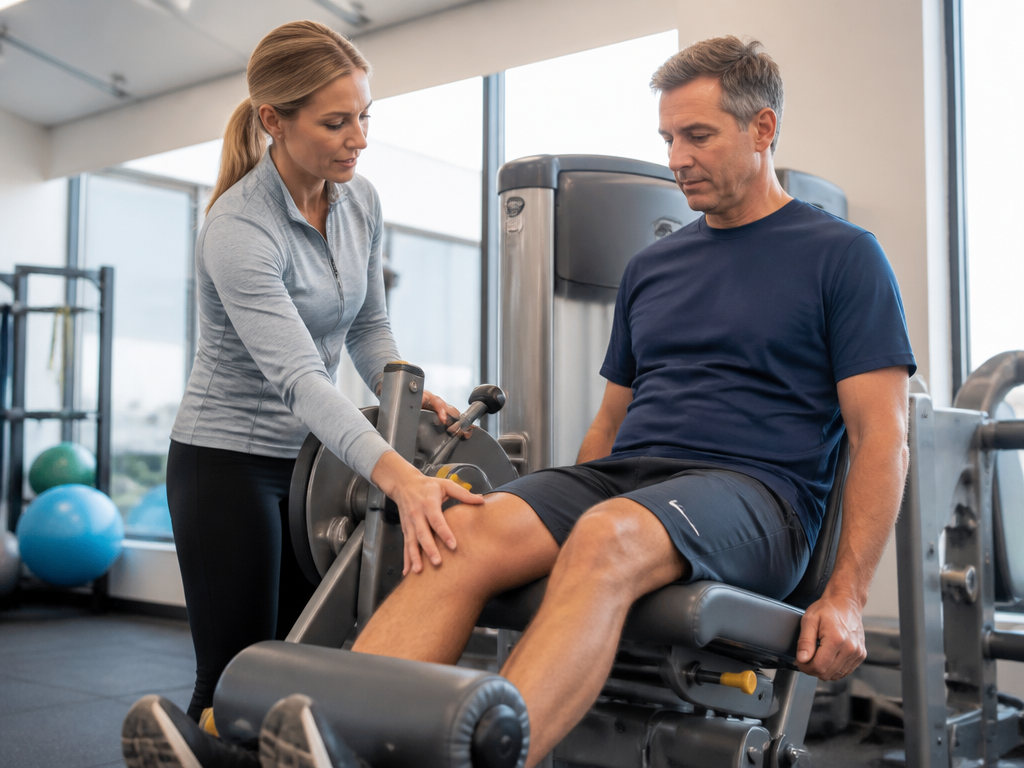
The rehabilitation equipment market encompasses a broader product range than conventional fitness equipment — including mobility aids, prosthetics, neurological rehabilitation devices, and cardiopulmonary therapy tools — but the segment most directly accessible to fitness equipment manufacturers is the physical rehabilitation and exercise equipment category: resistance machines, guided strength training systems, functional movement tools, and low-impact exercise devices designed for clinical use.
According to Global Market Insights, the global rehabilitation equipment market was valued at USD 23 billion in 2025, projected to reach USD 47.2 billion by 2035 at a CAGR of 7.5%. Mordor Intelligence tracks a similar trajectory, valuing the market at USD 18.86 billion in 2025 and projecting USD 28.12 billion by 2031 at a CAGR of 6.88%. Regardless of methodology differences between research providers, the directional signal is consistent: a large, structurally growing market expanding at rates that outpace both home fitness and commercial gym equipment channels.
The musculoskeletal rehabilitation segment accounted for 66.8% of the global rehabilitation equipment market in 2025 — the category that most directly intersects with conventional fitness equipment. Musculoskeletal rehabilitation equipment covers resistance training machines, functional movement devices, and therapeutic exercise tools used in orthopedic recovery, post-surgical rehabilitation, and chronic condition management for joint, bone, and muscle disorders. This is the segment where fitness equipment manufacturers’ production capabilities, material expertise, and product design knowledge translate most directly into competitive rehabilitation products.
Key Growth Drivers Beyond Demographics
Several specific healthcare system trends are accelerating rehabilitation equipment procurement in ways that create near-term commercial opportunity for fitness equipment brands entering medical distribution channels:
Hospitals are discharging patients sooner, shifting recovery workloads onto skilled nursing facilities, outpatient clinics, and homes. Roughly 795,000 annual stroke events occur in the United States alone, each requiring months of intensive therapy. This early discharge trend is driving equipment procurement across multiple care settings simultaneously — not just hospitals, but the full post-acute care continuum including outpatient PT clinics, skilled nursing facilities, and home care settings.
Remote Patient Monitoring codes, expanded by CMS in 2024, allow connected devices to transmit range-of-motion, adherence, and pain data directly to therapists. A 2025 peer-reviewed study found that connected equipment users achieved 85% exercise adherence compared with 60% for standard programs, and posted 15% higher functional gains. This data underscores the clinical value of well-designed rehabilitation exercise equipment — and the commercial premium that clinically validated outcomes can command in medical procurement decisions.
Who Buys Rehabilitation Equipment: The Medical Distribution Channel Structure
Medical distribution operates on fundamentally different procurement mechanics than fitness equipment retail or commercial gym distribution. Understanding the channel structure — who makes purchasing decisions, what criteria they apply, and how products reach end users — is essential for fitness equipment brands developing a medical distribution strategy.
Hospital and Health System Procurement
Hospitals held a 56.15% share of the rehabilitation equipment market in 2025, making them the single largest end-use category. Hospital procurement for rehabilitation equipment is typically managed by a combination of clinical stakeholders (the physical therapy department director or chief PT, who specifies the clinical requirements) and institutional buyers (the supply chain or materials management team, who manage the vendor qualification, contract, and purchase order process).
Hospital procurement operates through several purchase pathways: group purchasing organizations (GPOs) that aggregate purchasing power across multiple hospital systems to negotiate framework contracts with approved suppliers; individual hospital capital equipment procurement processes (typically involving a formal bid process for purchases above a defined threshold, often $25,000–$50,000); and sole-source or preferred-vendor procurement for specialized clinical equipment where the clinical team has developed a specific preference. Fitness equipment brands entering hospital channels must understand which pathway applies to their product category and what vendor qualification requirements each pathway imposes.
Outpatient Physical Therapy Clinics
The outpatient PT clinic channel is the most accessible entry point for fitness equipment brands moving into medical distribution. Outpatient PT practices range from solo-practitioner clinics to large national chains (ATI Physical Therapy, Athletico, US Physical Therapy, and hundreds of regional operators), and their procurement processes are more agile than hospital systems — purchasing decisions are frequently made by the clinic owner or managing PT, without the multi-stakeholder approval process of institutional hospital procurement.
Outpatient PT clinics have specific equipment needs that differ from hospital rehabilitation departments: they generally have smaller floor spaces (500–2,000 sq ft), serve patients earlier in the recovery timeline (4–8 weeks post-surgery vs. immediate post-acute), and prioritize compact, multi-function equipment that can accommodate diverse patient presentations within limited floor area. They also operate on tighter capital budgets than hospitals — purchase decisions are made with practice cash flow rather than institutional capital equipment budgets — which makes price-to-clinical-value ratio a significant decision factor.
Ambulatory Surgery Centers
ASC procedure volume in the United States rose 8% in 2025, with joint replacements the fastest-growing category. Patients leave the same day and need devices within 24 hours, creating a premium on lightweight walkers, continuous passive motion machines, and compact post-surgical rehabilitation equipment. As more orthopedic procedures shift from inpatient to outpatient ASC settings, the demand for post-surgical rehabilitation equipment at or adjacent to ASC facilities is growing rapidly. ASC operators are increasingly investing in onsite rehabilitation capabilities to provide seamless post-operative recovery services and reduce readmission risk — a trend that creates procurement demand for equipment that bridges the gap between surgical care and physical therapy.
Senior Living and Long-Term Care
As discussed in Article 8, the senior living sector represents a significant and growing procurement channel for rehabilitation-adjacent exercise equipment. Continuing care retirement communities (CCRCs), skilled nursing facilities, and assisted living operators are investing in fitness and wellness amenities that serve both preventive health and post-acute recovery functions. This channel procurement overlaps substantially with the clinical rehabilitation equipment specification — accessible machine design, low-impact resistance profiles, and clinical-grade durability — while operating through senior living and assisted living industry distribution networks rather than medical distributor channels.
Product Specification Requirements for the Medical Distribution Channel
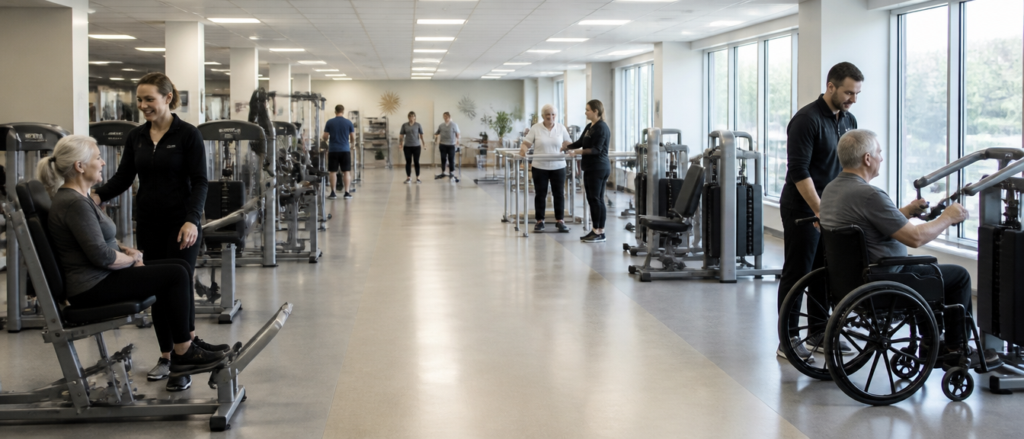
Medical channel procurement is specification-driven, not brand-driven. Clinical buyers — physical therapists, rehabilitation physicians, and hospital department directors — evaluate equipment against a set of clinical and institutional criteria that are independent of brand identity or consumer market positioning. Understanding these criteria is the foundation of a credible medical channel product strategy.
Resistance Calibration and Clinical Accuracy
Clinical rehabilitation exercise requires precise resistance levels to support therapeutic protocols. A patient recovering from knee replacement surgery may be working within a defined load range (e.g., 20–40 lbs leg press resistance) based on post-surgical protocols designed to protect the surgical repair while stimulating tissue healing. Equipment with poor weight stack calibration — where the marked resistance differs from the actual resistance by more than 2–3 lbs — compromises the clinical protocol and may expose the operating facility to liability if a patient is inadvertently loaded beyond safe parameters.
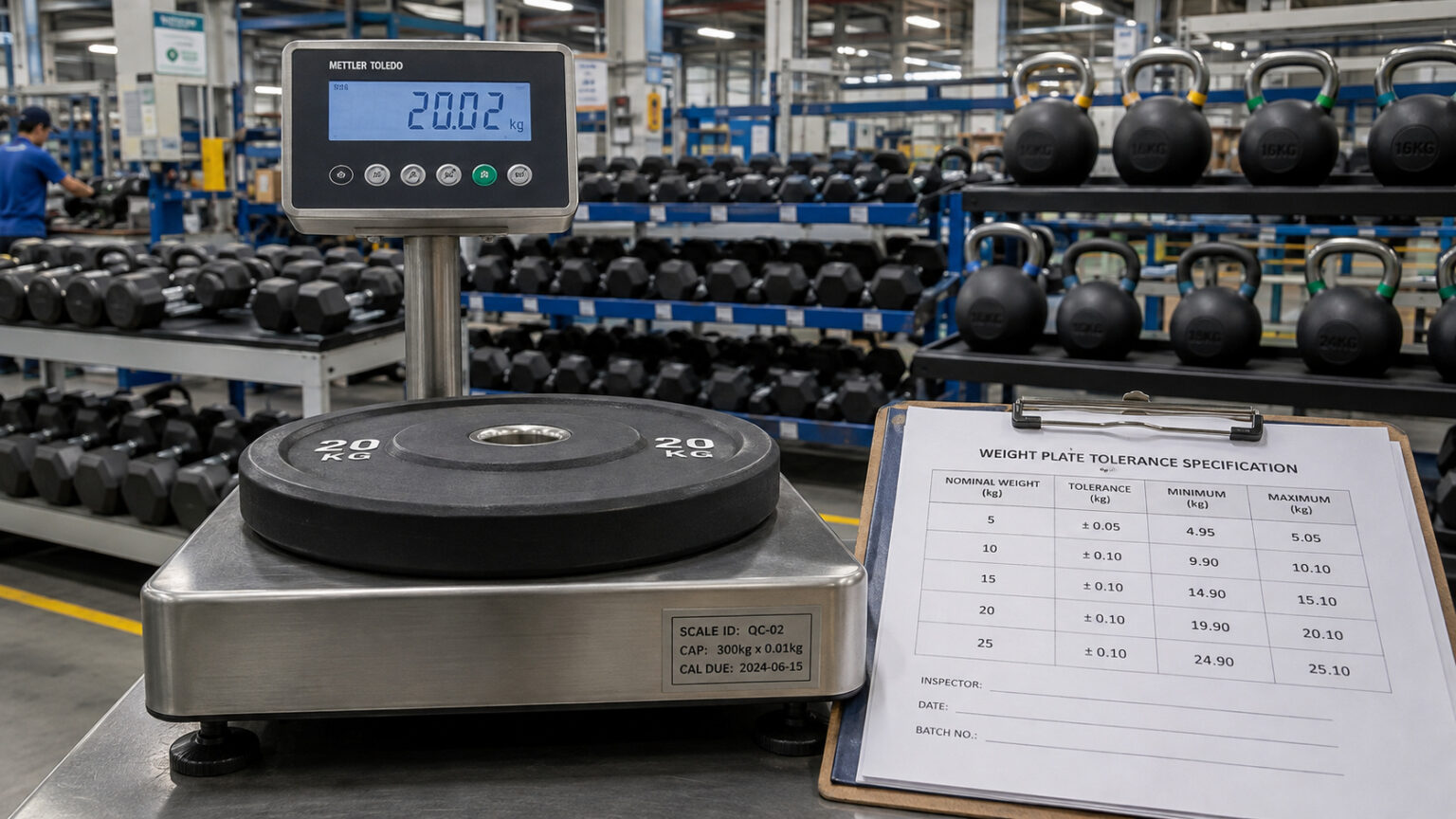
Selectorized machines for clinical use should be specified with ±2 lb or better weight stack calibration tolerance — significantly tighter than the ±5 lb tolerance acceptable in conventional commercial fitness equipment. Weight stack increments should be 5 lbs or smaller (compared to 10–15 lbs typical in conventional commercial equipment) to allow the fine-grained load progression that clinical protocols require. These specifications must be verified at both the sample approval stage and through pre-shipment inspection of every production batch.
Accessibility and Safe Patient Transfer
Clinical rehabilitation equipment must safely accommodate patients with a wide range of functional limitations: post-surgical patients with restricted joint range of motion, patients with hemiplegia or hemiparesis following stroke, elderly patients with reduced balance and proprioception, and patients with body weight variations from 90 to 400+ lbs across the rehabilitation population. Equipment design must address:
- Entry height: Seat heights should allow patients to sit down and stand up safely without excessive hip flexion — typically 18–20 inches from floor to seat surface, compatible with ADA seating height requirements.
- Transfer support: Stable, ergonomically positioned grab bars at entry and exit points that provide secure support for patients with balance impairment or upper extremity weakness.
- Adjustment accessibility: Weight stack selection, seat position adjustment, and back rest positioning should be operable by a physical therapist from outside the machine — not requiring the patient to reach overhead or twist to access controls.
- Load range for deconditioned populations: Weight stack minimums should accommodate very low starting loads (5–10 lbs for upper extremity post-surgical patients, 10–20 lbs for deconditioned elderly users) — far below the minimum loads offered by conventional commercial fitness equipment.
Regulatory Classification and Medical Device Compliance
A critical distinction that fitness equipment brands often underestimate when entering the medical channel is the regulatory classification question: is the product considered a conventional fitness exercise device or a medical device? In most markets, exercise resistance machines and fitness accessories used for rehabilitation purposes fall under exercise equipment regulatory classifications rather than medical device classifications — provided they are not marketed with specific therapeutic claims (e.g., “treats arthritis,” “reduces post-surgical recovery time”). Fitness equipment marketed with therapeutic claims may require medical device registration (FDA Class I or II registration in the US; CE MDR classification in Europe), which imposes design control, quality system, and post-market surveillance requirements beyond what conventional fitness equipment OEM programs address.
Working with a regulatory affairs specialist to confirm the appropriate classification for your specific products and target market — before making marketing claims or entering formal medical distributor relationships — is an essential risk management step that prevents costly regulatory enforcement issues after market entry.
| Clinical Channel | Key Buyer | Critical Spec Requirements | Procurement Pathway | Entry Difficulty |
|---|---|---|---|---|
| Hospital rehab department | PT Director + Supply Chain | ±2 lb calibration, ADA access, institutional warranty | GPO / formal bid process | High |
| Outpatient PT clinic | Clinic owner / managing PT | Compact footprint, clinical accuracy, service access | Direct / distributor rep | Medium |
| Ambulatory surgery center | ASC administrator / surgeon | Post-surgical protocol compatibility, lightweight options | Direct or medical distributor | Medium–High |
| Senior living / CCRC | Facilities director / executive director | Accessibility, durability, institutional aesthetics | Senior living distributor / direct | Medium |
| Home care / remote rehab | PT / case manager / patient | Lightweight, compact, easy assembly, insurance billing | DME distributor / direct | Low–Medium |
Medical Distribution Channel Relationships: What Fitness Brands Need to Know
Entering medical distribution requires building relationships with healthcare-specialized distributors who have existing access to hospital systems, PT clinic networks, and senior care facilities. These distributors differ meaningfully from sporting goods or fitness equipment distributors in their customer relationships, sales process expertise, and product knowledge requirements.
Healthcare-Specialized Distributors
Healthcare specialty distributors serving the rehabilitation equipment category — companies like Patterson Medical, Medline, McKesson Medical, and numerous regional healthcare distributors — have established GPO relationships, hospital credentialing (the process by which a vendor is approved to do business with a hospital system), and sales teams trained in clinical product applications. They provide fitness equipment brands with immediate access to procurement networks that would take years to develop independently.
The trade-off is that healthcare distributors require higher gross margins than conventional fitness distributors (typically 35–50% distributor margin versus 20–30% in fitness retail), because their sales cycles are longer, their service requirements are higher, and their regulatory compliance obligations are greater. Pricing fitness rehabilitation equipment products for healthcare distribution therefore requires a fundamentally different price architecture than consumer or commercial gym products at equivalent specification levels.
Clinical Evidence and Professional Endorsement
Medical channel procurement is influenced by clinical evidence and professional endorsement in ways that consumer marketing cannot replicate. Physical therapists who have found a specific machine effective for their patient population — and who have measurable outcomes data to support that assessment — become powerful advocates within their professional networks. Peer-reviewed studies demonstrating the clinical efficacy of specific rehabilitation exercise modalities, published in physical therapy and rehabilitation medicine journals, drive adoption at a scale that advertising cannot achieve.
For fitness equipment brands entering the clinical channel, investing in clinical outcome documentation — partnering with PT schools, rehabilitation research centers, or hospital therapy departments to generate published outcome data on your products — is a medium-term brand building strategy that creates sustainable clinical credibility. This investment is typically beyond the scope of consumer brand building but is standard practice among the established medical device and rehabilitation equipment companies that fitness brands would be competing against in clinical procurement.
Service and Maintenance Networks
Clinical facilities expect equipment service networks that can respond to service calls within 24–48 hours with replacement parts on hand. A hospital rehabilitation department cannot operate with broken equipment — their patient therapy schedules depend on functional equipment availability. Fitness equipment brands entering medical distribution must establish either internal service capacity or a service partner network in their target geographies that meets clinical facility expectations. This infrastructure requirement is one of the most significant entry barriers for smaller fitness equipment brands — and one of the strongest arguments for partnering with an established healthcare distributor who brings an existing service infrastructure to the relationship.

The Asia-Pacific Rehabilitation Equipment Opportunity
While North America dominates the current rehabilitation equipment market with approximately 42–43% share, Asia-Pacific shows the fastest momentum with a 9.12% CAGR through 2031, driven by China’s eldercare infrastructure build-out, Japan’s nursing care reforms, and India’s manufacturing incentive programs. For Taiwan-based fitness equipment OEM manufacturers, the Asia-Pacific rehabilitation market represents a proximate and growing opportunity with natural geographic and logistical advantages.
Japan’s nursing-care insurance system — which covers a defined range of rehabilitation equipment for insured individuals — creates predictable institutional demand for rehabilitation exercise equipment that meets Japanese safety and quality standards. Taiwan-origin manufacturers who meet Japan’s rigorous quality requirements are well-positioned to supply this market through established Japanese medical equipment distribution networks. Our fitness equipment applications overview outlines how our Alexia senior fitness products are designed for the clinical requirements of Asian healthcare facility environments.
Reimbursement and Insurance Coverage: The Hidden Market Driver
One of the most commercially significant — and least discussed — aspects of the rehabilitation equipment market is the role of insurance reimbursement and government healthcare program coverage in driving procurement demand. Unlike conventional fitness equipment, which is purchased primarily from discretionary consumer budgets, rehabilitation equipment is often partially or fully covered by insurance programs, Medicare, Medicaid, or national health service reimbursement codes. This coverage creates a demand dynamic that is partially insulated from consumer income cycles and significantly amplifies market size.
Medicare Advantage and Durable Medical Equipment Coverage
In the United States, certain rehabilitation exercise devices qualify as Durable Medical Equipment (DME) and are reimbursable through Medicare Part B or Medicare Advantage plans when prescribed by a physician for a medically necessary condition. Continuous Passive Motion (CPM) devices, certain resistance training systems for post-surgical rehabilitation, and home rehabilitation equipment prescribed for specific diagnostic codes can generate reimbursement claims — meaning the institutional or individual buyer pays only a deductible or co-pay, with the insurance program covering the balance.
For distributors entering the clinical rehabilitation channel, understanding which products qualify for DME billing codes — and building a product documentation package that supports DME billing by clinical customers — is a significant commercial differentiator. Healthcare distributors with DME billing expertise can generate substantially higher product adoption rates in clinical settings by reducing the out-of-pocket cost burden for facilities that serve Medicare-eligible patients. This reimbursement infrastructure is one of the primary reasons specialized healthcare distributors outperform generalist distributors in clinical channel penetration for rehabilitation products.
Home-Care Rehabilitation: The Fastest-Growing Channel
Home-care settings recorded the highest projected CAGR of 11.82% in the rehabilitation equipment market for 2026–2031, driven by hospital early discharge trends, Medicare Advantage hospital-at-home benefits, and Remote Patient Monitoring code expansion that allows connected devices to transmit therapy adherence and outcome data to supervising clinicians. This home rehabilitation growth creates a distinct product opportunity for compact, lightweight, patient-self-operated rehabilitation equipment that bridges the gap between clinical facility settings and unassisted home use.
Home rehabilitation products must satisfy a different design brief than facility-based equipment: they must be operable by patients without ongoing clinician supervision; instructions must be intuitive for users who may be in pain, cognitively affected by medication, or physically deconditioned; and they must fold or store compactly in residential spaces. At the same time, they must be durable enough for the daily repetition cycles of a rehabilitation program, safe enough that unsupervised use does not create injury risk, and clinically appropriate for the specific condition being treated.
For fitness equipment manufacturers entering the home rehabilitation market, the product development challenge is distinct from both conventional home fitness and clinical facility equipment — requiring a synthesis of clinical protocol knowledge, home use ergonomics, and regulatory compliance that demands genuine clinical input into the design process. Brands that approach this product category as simply a smaller version of clinical facility equipment typically miss the nuanced design requirements that differentiate successful home rehabilitation products from those that achieve prescription but are abandoned unused after the first week of patient self-use.
OEM Opportunities in Rehabilitation Equipment Manufacturing
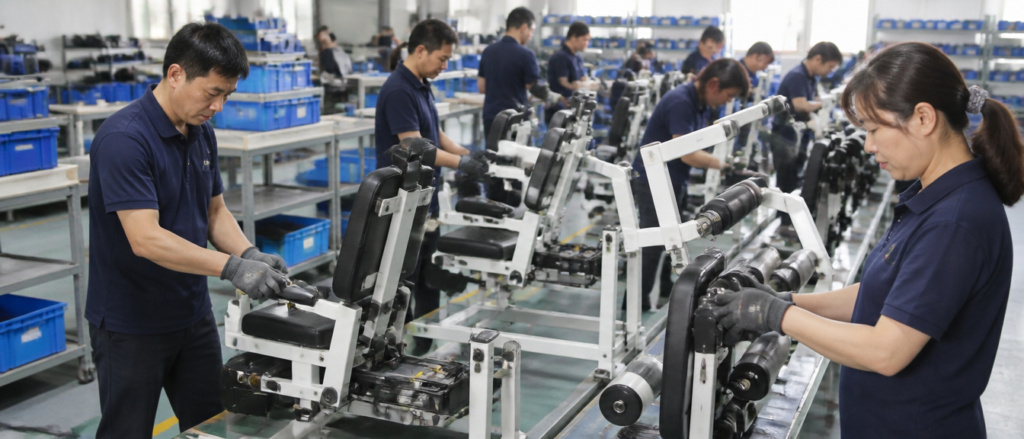
From an OEM manufacturing perspective, the rehabilitation equipment market creates opportunities for fitness equipment brands that have existing strength equipment manufacturing relationships and want to extend their product lines into the clinical space. The key product adjacencies — where fitness equipment manufacturing capabilities translate directly into rehabilitation equipment production — include:
- Selectorized resistance machines: The manufacturing process for selectorized fitness machines is directly applicable to clinical rehabilitation machines, with specification adjustments for calibration tolerance, weight stack range, and accessibility features.
- Free weight accessories for rehabilitation: Soft weights, sand-filled exercise balls, resistance bands, grip trainers, and ankle/wrist weights are used extensively in clinical rehabilitation settings. These products overlap directly with the senior fitness accessory category and are producible by any manufacturer with free weight manufacturing capabilities.
- Functional training equipment: Balance boards, stability platforms, resistance straps, and functional movement tools used in proprioceptive rehabilitation programs are adjacent to the accessories category and accessible through the same distribution channels as clinical exercise equipment.
The OEM/ODM services we provide for the clinical and senior wellness markets are structured specifically for brands developing product programs in these adjacent categories — offering both standard product customization (private label, colorway, branding) and full ODM development for brands requiring proprietary clinical product designs.
Frequently Asked Questions
How large is the rehabilitation equipment market compared to commercial fitness equipment?
The global rehabilitation equipment market was valued at approximately USD 18–23 billion in 2025 (varying by research scope and methodology), compared to approximately USD 2.28 billion for commercial fitness equipment. The rehabilitation market is roughly 8–10× larger by value and is growing faster — at 6.88–8.34% CAGR versus 4.53% for commercial fitness equipment. The product overlap between the two categories makes rehabilitation a natural expansion market for fitness equipment brands with appropriate clinical product specifications.
What makes rehabilitation equipment different from standard commercial fitness equipment?
Clinical rehabilitation equipment requires: tighter resistance calibration (±2 lb vs. ±5 lb for commercial equipment), smaller weight stack increments (5 lbs vs. 10–15 lbs) for clinical protocol precision, accessible entry/egress design for patients with mobility limitations, institutional-grade durability for high-frequency clinical use, and documentation supporting clinical procurement requirements. Products marketed with therapeutic health claims may require medical device regulatory classification, which imposes additional quality system requirements.
Which medical distribution channels are most accessible for fitness equipment brands?
Outpatient physical therapy clinics represent the most accessible entry point — purchasing decisions are made by clinic owners or managing PTs without the multi-stakeholder hospital procurement process. Senior living communities (assisted living, CCRCs) are another accessible channel with procurement processes similar to commercial gym buying. Hospital rehabilitation departments have the highest institutional purchasing power but require GPO relationships, hospital credentialing, and more extensive clinical documentation.
Do rehabilitation fitness products require medical device regulatory approval?
Most exercise resistance equipment used for rehabilitation purposes does not require medical device registration, provided it is marketed as exercise equipment without specific therapeutic claims. Equipment marketed with specific diagnostic or therapeutic claims (e.g., “treats arthritis,” “post-surgical recovery device”) may require FDA registration in the US or CE MDR classification in Europe. Working with a regulatory affairs specialist to confirm the appropriate classification for your specific products and marketing claims is essential before entering medical distribution channels.
How should fitness equipment brands approach medical distributor partnerships?
Begin by identifying healthcare specialty distributors serving your target clinical channel (outpatient PT, senior living, or hospital) with existing customer relationships in your target geography. Prepare clinical product documentation — detailed specification sheets, calibration verification records, accessibility feature descriptions, and any available clinical outcome data — that supports distributor sales conversations with clinical buyers. Establish a clear service and spare parts commitment that meets the 24–48 hour response expectation of clinical facilities. Consider starting with outpatient PT or senior living channels where procurement processes are most agile before pursuing hospital GPO relationships.
Conclusion
The rehabilitation equipment market represents a compelling diversification opportunity for fitness equipment brands and distributors willing to make the product specification and channel relationship investments that clinical procurement requires. At USD 23 billion in 2025 and growing at 7.5% CAGR, it is a market that dwarfs the commercial fitness equipment sector and operates on structural growth drivers — aging populations, chronic disease prevalence, healthcare cost reduction imperatives — that are independent of consumer spending cycles.
The path from conventional fitness equipment distribution to medical distribution is not immediate — it requires product specification adjustments, channel relationship development, regulatory clarity, and service infrastructure — but for brands with existing manufacturing relationships in senior wellness and clinical exercise equipment categories, the distance is shorter than it might appear. If you are exploring rehabilitation product development for medical distribution channels, our team can discuss OEM manufacturing options across our Alexia senior and rehabilitation fitness equipment line.