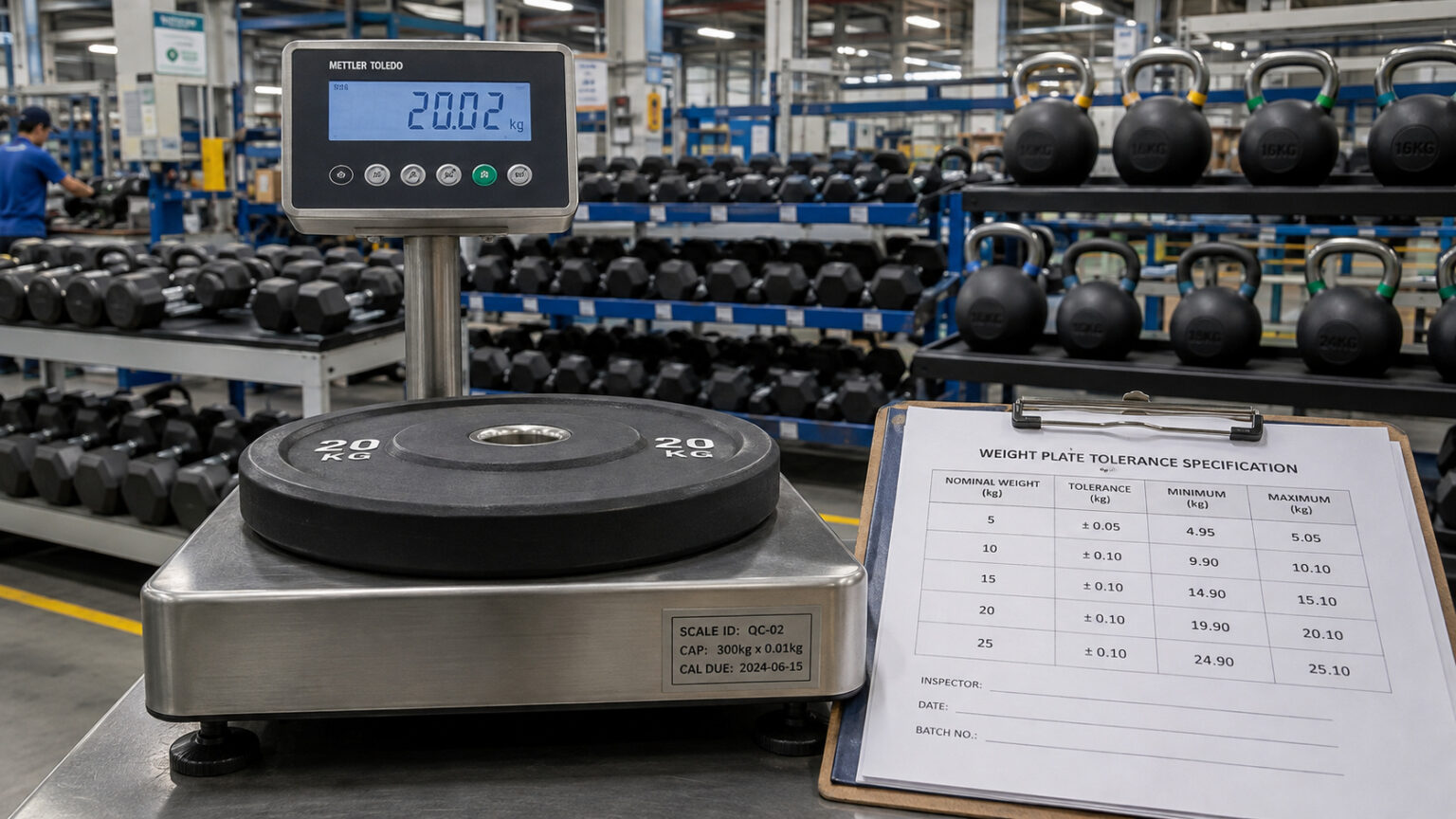
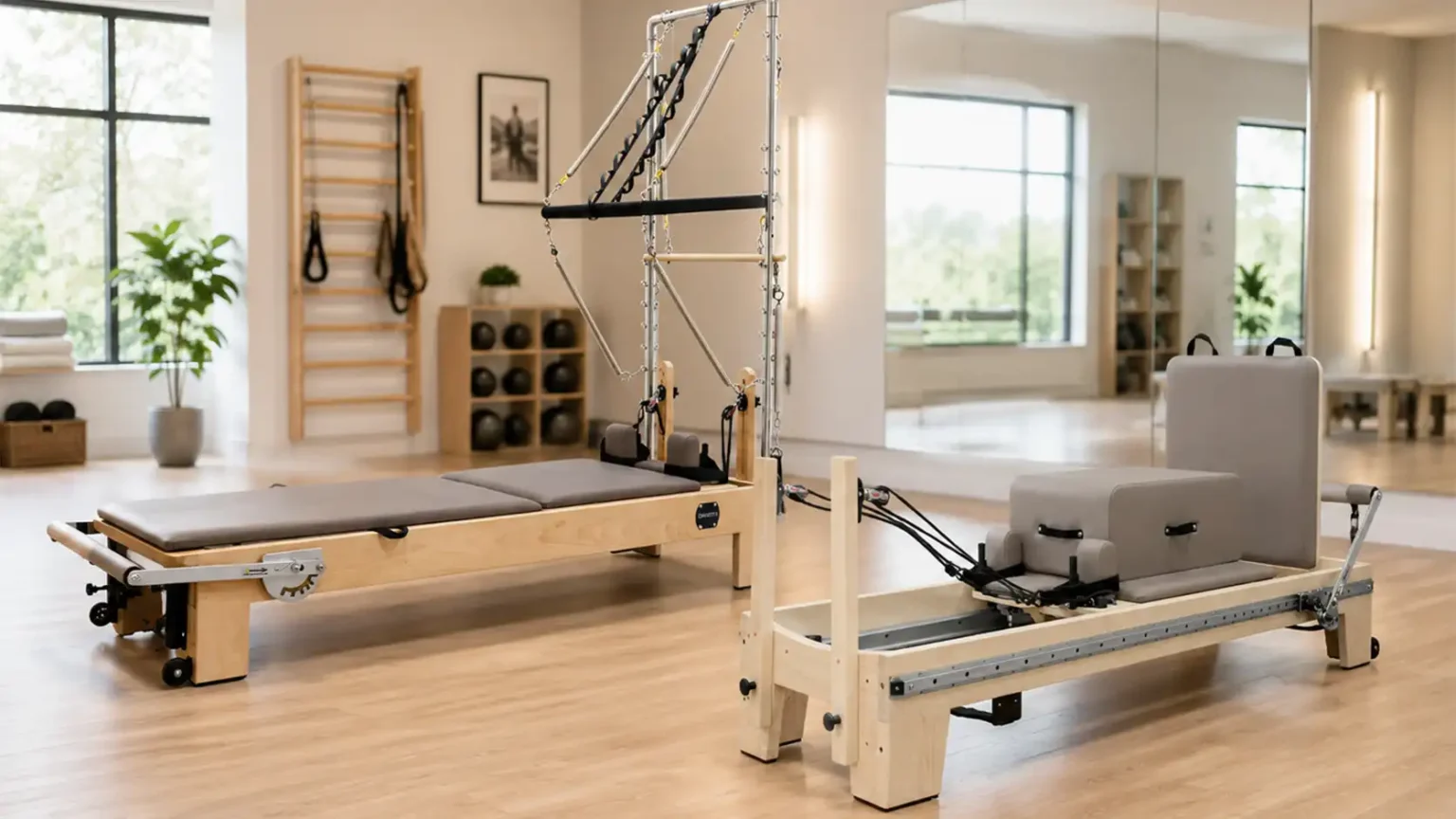
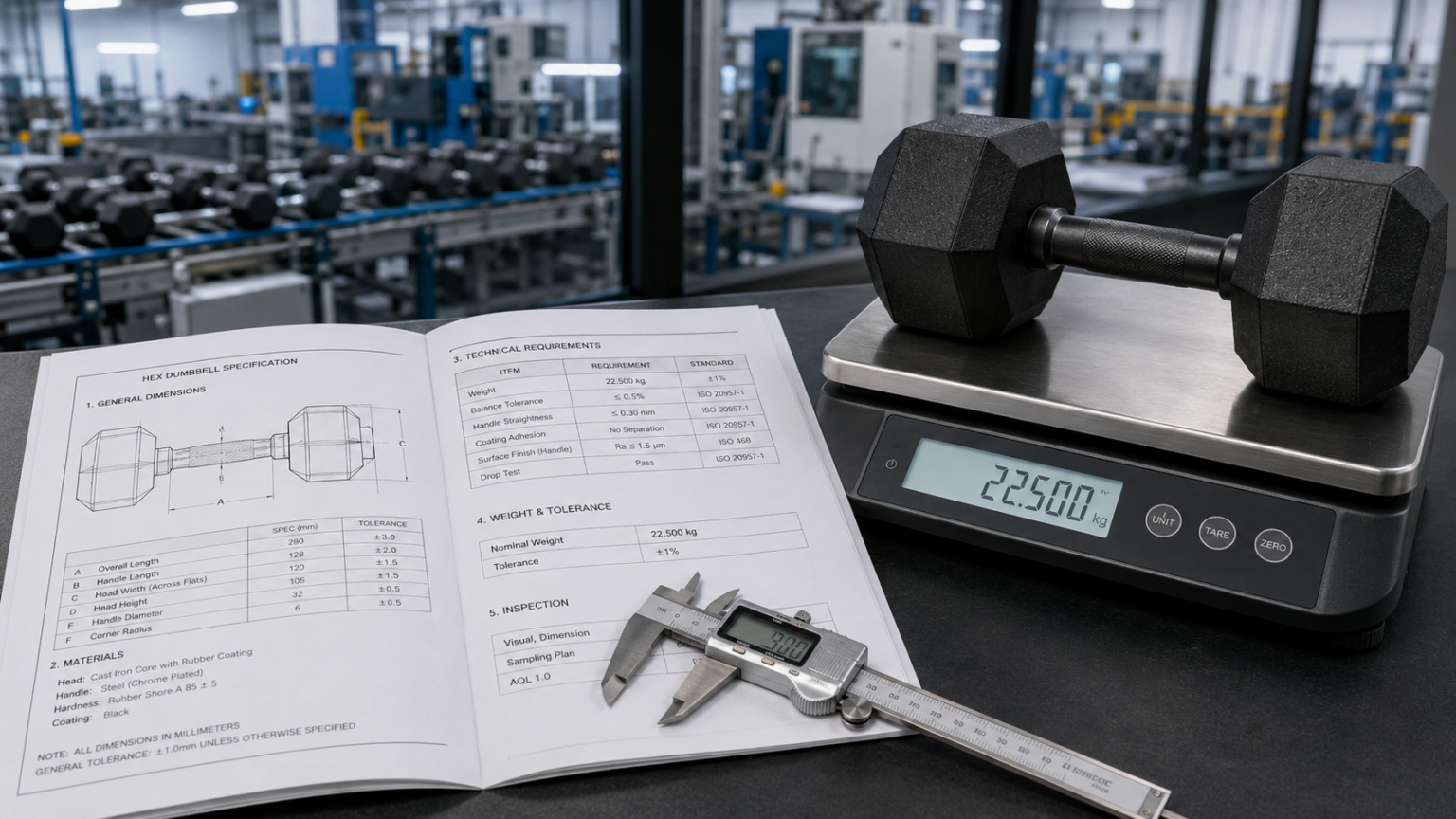
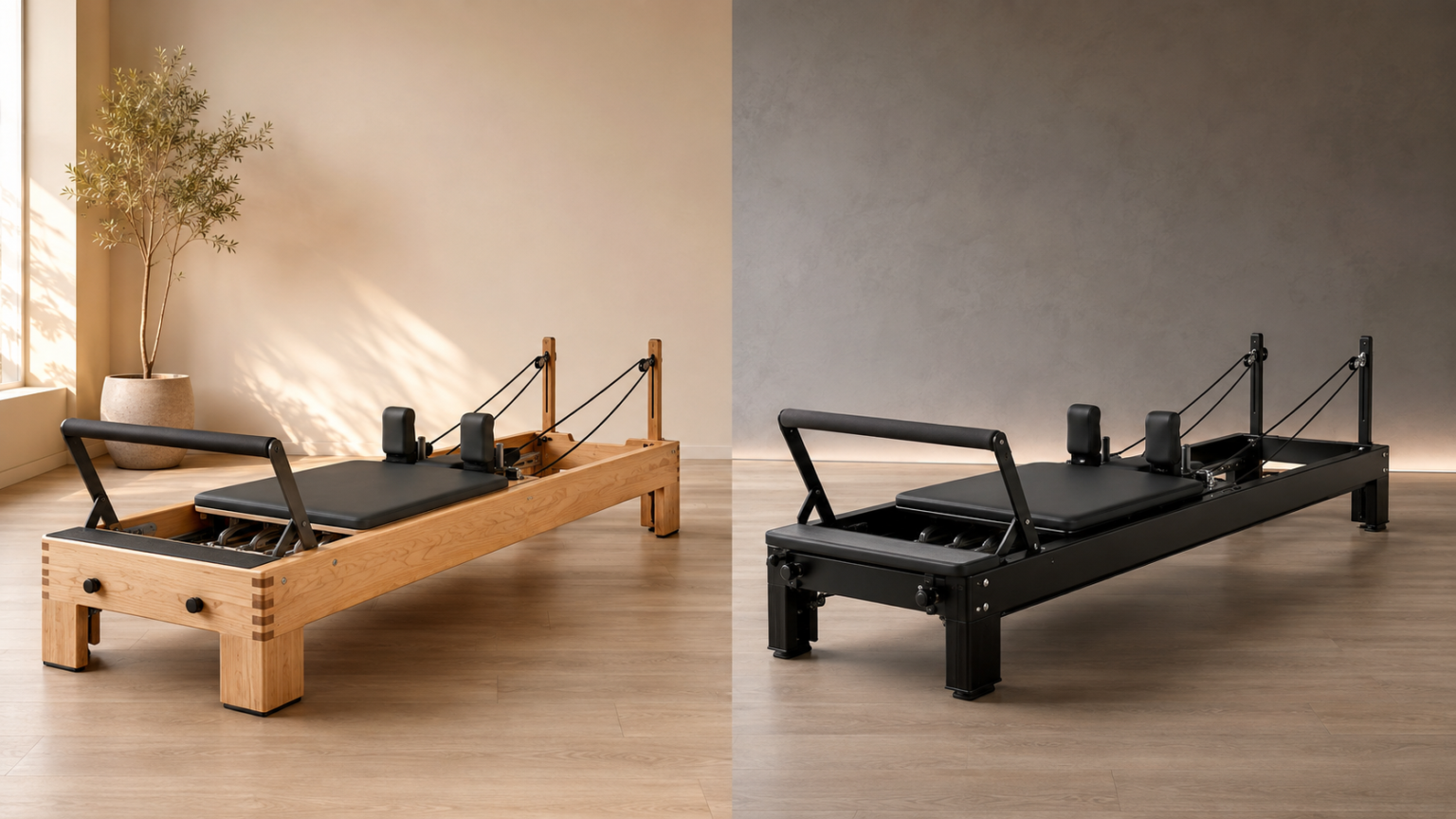
The conventional narrative about competitive markets dominated by giant brands is incomplete when applied to the fitness equipment industry. The top ten fitness equipment brands — including Peloton, Technogym, and Decathlon — collectively accounted for only 22.72% of total market share in 2023, according to Research and Markets. The remaining 77%+ of the global fitness equipment market is shared among hundreds of smaller brands, private label operators, specialty retailers, and regional distributors. This fragmentation is not a historical artifact — it reflects structural features of the fitness equipment market that will sustain space for well-positioned small and mid-sized brands indefinitely.
For a small fitness equipment brand or a mid-sized operator facing competitive pressure from larger players, commodity platforms, and mass e-commerce marketplaces, the challenge is not survival in an abstract sense — it is identifying and executing the specific strategies that generate defensible competitive advantages without requiring the scale resources of a major brand. This article examines the proven competitive approaches that allow smaller fitness equipment brands to not just survive but build durable, profitable positions in the market.
Why the Fitness Equipment Market Remains Structurally Open to Smaller Brands
Before examining competitive strategies, it is worth understanding why the fitness equipment market remains accessible to smaller players — because the structural reasons for this accessibility also define where smaller brands can defend their positions most effectively.
Market Fragmentation and Category Breadth
The fitness equipment market spans an extraordinarily broad range of product categories, user demographics, performance levels, and distribution channels. No single brand can credibly own the full spectrum from sub-$50 resistance bands to $15,000 Pilates reformers, from beginner home gym equipment to elite strength sports apparatus, from consumer retail to clinical rehabilitation. The breadth creates inherent segmentation — specialty niches where depth of expertise matters more than breadth of coverage, and where the category knowledge of a focused operator consistently outperforms the generalist presence of a large catalog brand.
Brands like Rogue Fitness have carved out a niche by focusing on high-quality, durable equipment catering to serious athletes and CrossFit enthusiasts — a community with a high-engagement relationship to its equipment, a willingness to pay premium prices for verifiable quality, and a skepticism of mass-market brands that creates natural preference for specialty operators. Rogue’s success as a challenger brand is not despite the presence of Life Fitness, Technogym, and Nautilus — it is partially because those brands’ focus on the broad commercial and consumer markets left a specific segment underserved.
Consumer Behavior That Favors Authentic Specialization
The fitness market consumer values authentic expertise and community belonging in ways that create brand loyalty advantages for specialized operators. A serious powerlifter buying a barbell cares deeply about the opinion of other serious powerlifters — and the brands that credibly serve that community earn loyalty that mass-market brands purchasing review volume cannot replicate. Similarly, a clinical Pilates instructor specifying reformers for her studio has deep category knowledge and makes purchasing decisions based on equipment specifications and peer practitioner recommendations rather than brand advertising.
According to EGYM’s analysis of differentiation strategy in the fitness industry, drawing on Michael Porter’s foundational work on competitive strategy, differentiation creates competitive immunity from pure price competition — the primary threat to commodity-positioned fitness equipment brands. A brand that occupies a distinct, expert position in a specific segment is not competing on the same dimension as a low-price mass-market alternative, which means the mass-market alternative’s price advantage is irrelevant to the buyers who value the specialist’s expertise.
Strategy 1: Radical Niche Focus
The most consistently successful strategy for small fitness equipment brands is radical niche focus — concentrating product development, marketing, community investment, and OEM sourcing on a precisely defined segment rather than attempting to be broadly competitive across categories. Niche focus is both a marketing strategy and a sourcing strategy: the depth of product knowledge accumulated in a narrow category enables specification quality that generalist buyers cannot match, which produces quality advantages that justify premium pricing and resist low-cost competition.
Choosing the Right Niche
An effective niche must satisfy several criteria simultaneously: it must be large enough to sustain the business at target revenue levels; it must be underserved by existing large-brand coverage; it must be one where the brand’s team has genuine subject matter expertise; and it must have community characteristics that enable organic word-of-mouth growth. Identifying a niche that satisfies all four criteria requires honest assessment of where the brand actually has an edge over competitors — not where it wishes it had an edge.
Common productive niches for small fitness equipment brands include: functional fitness and strength sports equipment for competitive athletes; rehabilitation and clinical exercise equipment for healthcare settings; sport-specific strength training for particular athletic disciplines (wrestling, rugby, martial arts, gymnastics); compact home gym equipment for specific residential contexts (apartments, garages, condos); premium Pilates and reformer apparatus for boutique studio operators; and senior wellness equipment for care facility markets. Each of these niches has identifiable buyers, specific product requirements, and community dynamics that support specialist brand positioning.
Deep Product Knowledge as Competitive Moat
In a well-chosen niche, the specialist brand’s deep product knowledge — understanding which specifications matter most to the target user, what quality failures destroy trust within the community, and what innovations would genuinely improve the user experience — creates a competitive moat that cannot be purchased at scale. A large brand can allocate a product manager to develop a barbell product line; it cannot replicate the accumulated knowledge of a brand whose founding team includes competitive powerlifters who have been training on barbells for twenty years and testing equipment specifications with their community for a decade.
This knowledge advantage translates directly into OEM sourcing quality. A specialist brand that knows exactly what knurl depth, finish type, shaft diameter, and whip characteristics matter to its community writes an OEM brief that produces a differentiated product — not because it paid more, but because it specified more precisely. The OEM manufacturer gets a complete, expert specification; the result is a product that earns the trust of a community that has rejected lesser alternatives. Our OEM/ODM services are particularly valuable to brands in this position — where deep product knowledge translates into OEM specifications that a manufacturer with engineering capability can execute faithfully.
Strategy 2: Product Differentiation Through ODM Development
For small and mid-sized brands that have defined their niche, original design manufacturing (ODM) partnerships — where the manufacturer’s engineering team collaborates on product development rather than simply executing a buyer-provided specification — represent one of the highest-return investments available. ODM development enables brands to produce genuinely differentiated products without the overhead of a dedicated internal engineering team.
How ODM Creates Differentiation Advantages
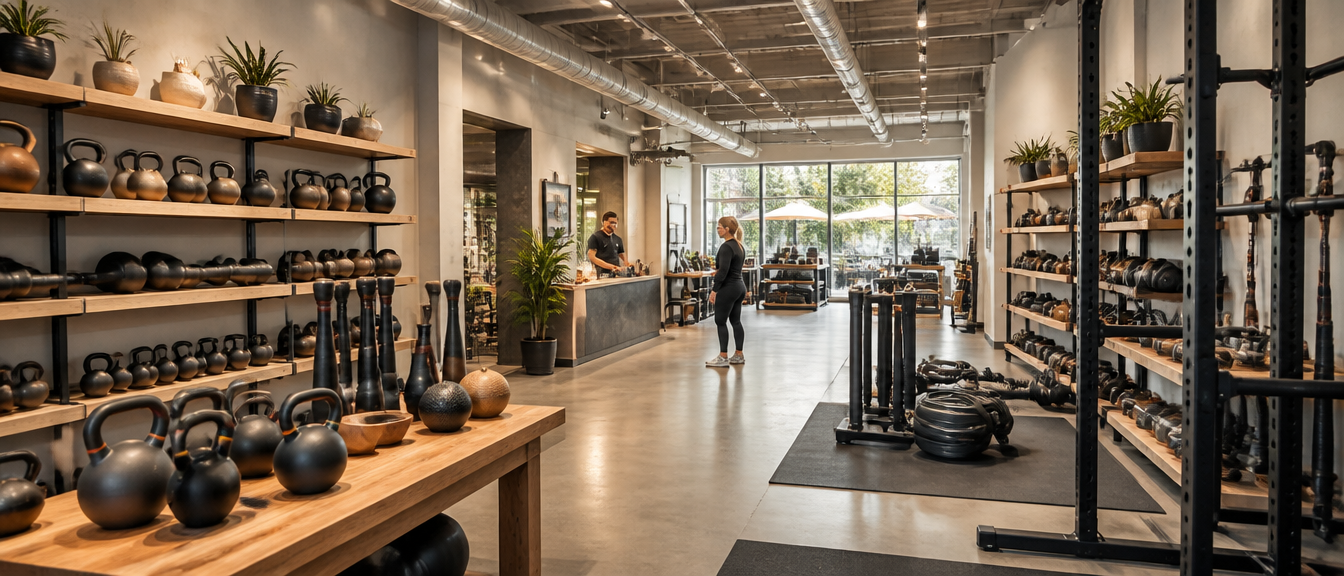
A small fitness equipment brand that works with a Taiwan-based ODM manufacturer on a purpose-built kettlebell design — with a proprietary handle geometry, a unique surface treatment, or a distinctive aesthetic execution — creates a product that cannot be sourced as a commodity from any competing supplier. The differentiation is protected not by patent (though patents may be applicable in some cases) but by the specificity of the tooling, the manufacturing process knowledge embedded in the production setup, and the relationship between the brand and the manufacturing partner. A competitor who wants to copy the product must replicate the full development process — which takes 12–18 months and significant financial investment — not simply find a cheaper manufacturer for the same SKU.
The McKinsey Sporting Goods 2025 report recommends that brands seeking to maintain competitive advantage in the current environment should accelerate efforts to derisk and diversify supply chains while simultaneously investing in differentiated product development. For smaller brands, ODM partnerships that produce genuinely proprietary products achieve both objectives — creating product differentiation that supports premium pricing while establishing manufacturing relationships that provide supply chain security.
Making ODM Accessible for Smaller Brands
A common misconception among smaller brands is that ODM product development is exclusively accessible to large-volume buyers. In practice, established OEM manufacturers with genuine engineering capability regularly engage in ODM development for smaller brands — particularly those with compelling product briefs, clear target market knowledge, and the brand credibility that signals market viability for the developed product. The key is approaching the ODM conversation as a genuine collaboration, bringing deep category knowledge and a clear market brief rather than expecting the manufacturer to define both the product concept and the specification.
Minimum volume requirements for ODM programs vary by product complexity and tooling investment, but for many free weight and accessories categories, ODM programs are accessible at 500–2,000 units per SKU per run — volumes that are achievable for a brand with an established community of even modest size. The tooling investment (typically $3,000–$15,000 for rubber molds, $8,000–$25,000 for cast iron tooling) is amortized over production runs and creates a proprietary product asset that continues to generate competitive differentiation for multiple production cycles.
Strategy 3: Community-Led Brand Building
Large fitness equipment brands compete for broad consumer awareness through high-spend media — television, major digital platforms, sponsorship. Small and mid-sized brands cannot match this investment, nor should they try. The alternative is community-led brand building: investing deeply in the specific communities where the brand’s target buyers are engaged, earning trust and advocacy through genuine participation rather than purchased exposure.
The Community Flywheel
Community-led brand building works through a reinforcing flywheel: a brand invests in community (education content, event sponsorship, athlete support, forum participation, social media authentic engagement); community members who experience the brand positively become advocates; advocates generate word-of-mouth reach within the community at zero incremental cost; new buyers enter through community recommendation with higher trust and lower acquisition cost than mass-media discovery; these buyers become new community members; the cycle repeats at larger scale.
The flywheel generates compounding returns over time: community investment in year one produces advocates in year two, whose recommendations generate revenue in year three at near-zero acquisition cost. Large brands can pay for broad awareness; they cannot buy the authentic community trust that produces this flywheel. In the fiercely competitive realm of fitness equipment manufacturing, forging strategic alliances and community relationships can be a game-changer — and smaller brands with genuine community roots start with a structural advantage over larger brands attempting to build community authenticity from scratch.
Content as a Brand Asset
Educational content — detailed product guides, technique instruction, programming resources, athlete interviews, behind-the-scenes manufacturing content — builds brand authority within specialist communities at a fraction of the cost of paid media. A brand that has published the definitive guide to barbell selection for competitive powerlifters, or the most comprehensive comparison of Pilates reformer specifications for studio operators, owns a permanent brand asset that drives organic search traffic, earns links from respected community sources, and positions the brand as a knowledge authority rather than a commodity merchant.
This content strategy is particularly powerful when combined with a strong OEM manufacturing relationship: a brand that genuinely understands how its products are made — the steel specifications, the coating process, the quality controls — can create technical product content that competitors who simply resell commodity products cannot replicate. Authenticity at the product knowledge level creates content authority that scales the brand’s community standing far beyond what its advertising spend could achieve.

Strategy 4: Channel Strategy That Avoids Direct Price Competition
One of the most common errors that small fitness equipment brands make is entering distribution channels where they face direct price competition from large brands or commodity suppliers — particularly undifferentiated mass-market Amazon listings where price and review count dominate the buying decision. In these channels, the small brand’s product quality and brand investment are invisible, and the structural advantages of larger brands (review volume, advertising budget, DSP targeting) make competitive success expensive and fragile.
Channels Where Small Brands Win
Small and mid-sized fitness equipment brands typically compete most effectively in channels where buying decisions are influenced by expertise, community, and personal recommendation rather than price and algorithmic visibility. These channels include:
- Specialty fitness retailers: Physical and online specialty retailers whose customers are seeking expert guidance and curated selection, not the lowest price. These retailers actively seek differentiated products that give them something to recommend that a customer cannot find cheaper on Amazon.
- Direct-to-consumer (DTC) website: A brand’s own website, where the full brand story, product depth, and community context can be communicated to a buyer who has arrived through search, content, or community referral — already primed with brand awareness and intent.
- Professional and institutional channels: Fitness trainers, coaches, physical therapists, and facility operators who recommend products to their clients and members. Professionals in these roles are purchasing based on performance and reliability, not price, and their recommendations carry the trust-transfer of professional expertise.
- Fitness events and competitions: Sponsorship of events attended by the brand’s target community creates concentrated exposure to high-engagement buyers at significantly lower cost per impression than mass-media alternatives, and generates authentic association with competitive performance culture.
Pricing Strategy: The Premium Brand Imperative
For small fitness equipment brands competing against commodity suppliers, a premium pricing strategy is not a luxury — it is an operational necessity. If the brand’s competitive strategy is based on product differentiation, community trust, and deep category knowledge, then pricing must reflect the value those attributes deliver. Brands that price at or near commodity levels undermine their own differentiation story: the quality signal embedded in premium pricing is part of the product, and removing it for market share returns a brand to the commodity competition it set out to escape.
Sustainable premium pricing requires delivering consistently superior product quality, customer experience, and community value that justify the premium in the buyer’s perception. This is the internal discipline that separates brands that maintain premium positioning successfully from those that drift toward commodity competition under margin pressure. The OEM specification choices made at the product development stage — material grades, coating quality, tolerance standards — are where the product quality foundation of premium pricing is established or compromised. Our manufacturing capabilities page reflects the quality commitments that make premium product positioning sustainable over multiple production cycles.

Strategy 5: Supply Chain Agility as Competitive Advantage
Larger fitness equipment brands manage complex, multi-geography supply chains across dozens of product categories, which creates inherent rigidity. A small brand with a focused product line and a strong OEM manufacturing relationship can achieve supply chain agility — the ability to respond quickly to demand signals, test new product ideas with short runs, and pivot to new specifications or colorways — that large brands simply cannot match at their operational scale.
Responsive Product Development
A small brand with community feedback loops can take a product improvement idea from community insight to production run in 3–6 months — adjusting a knurl pattern based on athlete feedback, testing a new colorway based on community preference signals, or developing a limited edition product for a specific competition season. A large brand’s product development cycle for the same change might run 12–24 months through product committee approvals, forecast modeling, and global SKU management processes.
This agility advantage is most powerful when combined with an OEM manufacturing relationship where the manufacturer knows the brand’s products well enough to execute specification changes without extended re-qualification cycles. A brand that has placed ten orders with the same manufacturer has accumulated the shared production knowledge that allows rapid iteration; a brand shopping each order to the lowest bidder starts from zero every time.
Limited Edition and Seasonal Products
Limited edition and seasonal product releases — in colorways, finishes, or configurations that are only available for defined periods — create urgency-driven purchase behavior that is inaccessible to commodity suppliers but highly effective for community-oriented brands. The community engagement generated by limited edition drops (announcement, countdown, release, sell-through documentation) also generates content and social proof at zero incremental cost beyond the product development investment.
Executing limited edition programs effectively requires an OEM manufacturing partner willing to accept smaller minimum quantities for special runs, and flexible enough to schedule production inserts between regular production runs. This flexibility is typically accessible only in established OEM relationships where the manufacturer has confidence in the brand’s order history and communication quality — another benefit of long-term manufacturing partnership investment.
| Competitive Strategy | Core Mechanism | OEM Partnership Enabler | Best Suited For |
|---|---|---|---|
| Radical niche focus | Deep category expertise → superior product specification | Precise OEM briefs → differentiated product quality | Brands with genuine community roots in a specific category |
| ODM product differentiation | Proprietary design → cannot be commoditized | Engineering-capable manufacturer → custom tooling | Brands ready to invest in proprietary product development |
| Community-led brand building | Trust and advocacy → low-cost customer acquisition | Authentic manufacturing knowledge → credible content | Brands with high-engagement target communities |
| Channel strategy avoidance | Non-commodity channels → pricing power preserved | Premium product quality → justifies channel premiums | Brands avoiding direct price competition with commodity players |
| Supply chain agility | Fast iteration → first-mover advantage in community preferences | Established OEM relationship → rapid execution | Brands with strong community feedback loops and flexible product lines |
The Role of Manufacturing Partnership in Small Brand Competitive Strategy
Across all five competitive strategies examined in this article, the quality and depth of the OEM manufacturing relationship is a recurring enabling factor. Small and mid-sized brands that have built genuine partnerships with their manufacturing partners — with the shared product knowledge, production flexibility, and mutual investment that characterize a true partnership rather than a transactional supplier relationship — consistently have access to competitive capabilities that brands managing arm’s-length procurement relationships cannot achieve.
For a small brand, the manufacturing partner is effectively an extension of the brand’s own operational capability. The manufacturer’s engineering team supplements the brand’s product development capacity; the manufacturer’s QC processes supplement the brand’s quality assurance capability; the manufacturer’s production scheduling flexibility supplements the brand’s supply chain agility. These extensions are only available from a manufacturing partner who is genuinely invested in the brand’s success — which is the definition of a long-term OEM partnership rather than a transactional production contract.
As FasterCapital’s competitive landscape analysis for fitness equipment manufacturers notes, strategic alliances that allow brands to access capabilities and markets beyond their individual organizational scale are one of the primary mechanisms through which smaller players compete effectively against larger ones. The OEM manufacturing partnership is the most operationally significant of these alliances for a fitness equipment brand.
Measuring Competitive Health: What Metrics Matter for Small Fitness Brands
For small and mid-sized fitness equipment brands implementing these competitive strategies, tracking the right metrics provides early signals of whether competitive positioning is working and where adjustments are needed. The metrics that matter most are not those that measure scale — total revenue, total units — but those that measure the quality of competitive positioning: customer lifetime value relative to acquisition cost, repeat purchase rate, net promoter score within the target community, and average selling price stability over time.
A brand with rising customer lifetime value, high repeat purchase rates, and stable or increasing average selling prices is building the compounding community and positioning advantages that generate durable competitive insulation. A brand whose acquisition costs are rising, whose average selling prices are declining under marketplace pressure, and whose repeat purchase rate is flat is showing the early symptoms of commodity drift — the gradual erosion of the differentiation that justified the brand’s premium positioning. Tracking these metrics quarterly, with honest attribution of the drivers behind trends in either direction, provides the operational intelligence that allows small brands to correct course before competitive erosion becomes existential.
Frequently Asked Questions
What percentage of the fitness equipment market is held by the top brands?
The top ten fitness equipment brands collectively hold approximately 22.72% of global market share — meaning more than 77% of the market is served by smaller brands, private label operators, regional distributors, and specialty companies. This fragmentation reflects the breadth of the fitness equipment market and the enduring demand for specialist expertise in specific segments and categories.
Can a small fitness equipment brand compete on Amazon against larger players?
Competing effectively on Amazon as a small fitness equipment brand is possible but requires either strong product differentiation (products that cannot be directly compared to commodity alternatives), a strong brand reputation that drives search intent for the brand specifically, or a niche category positioning where the large brands have limited presence. Competing on price alone as a small brand in Amazon’s commodity-driven categories is generally unsustainable — the structural advantages of established sellers (review volume, advertising budget, organic ranking) make it a losing strategy for most smaller operators.
How do I find the right manufacturing partner for a niche fitness equipment brand?
Identify manufacturers with demonstrated category expertise in your specific product niche — not generalist fitness equipment factories with a broad catalog. Request to see examples of products they have produced for similar market segments, ask about their engineering capability for the specific product type (free weights, structural equipment, Pilates apparatus, etc.), and evaluate their OQC documentation and quality system credentials. Visit the factory if possible, or commission a professional factory audit. The right manufacturing partner will welcome your specificity and match it with their own.
What is the minimum viable product investment for a differentiated fitness equipment brand?
A differentiated product launch typically requires: tooling investment ($3,000–$25,000 depending on product complexity), initial production run (typically 300–1,000 units depending on category), packaging design and production, and a DTC website or specialty retail channel foundation. The total initial product investment for a small-scale differentiated launch typically runs $25,000–$100,000 — a meaningful commitment, but significantly less than the cost of attempting to compete in commodity channels where large budgets are the primary competitive advantage.
How important is the country of origin for a premium small fitness equipment brand?
Country of origin can be a positive brand signal for premium fitness equipment — Taiwan-origin products carry quality associations in strength and conditioning equipment communities, and the “Made in Taiwan” designation is associated with precision manufacturing and quality control systems in ways that positively influence the brand perception of premium products. This quality association is a natural asset for small brands building premium positioning in performance-oriented communities.
Conclusion
The competitive landscape for small and mid-sized fitness equipment brands is genuinely open — not because competition is weak, but because the market’s structural fragmentation, its community-driven buyer behavior, and its breadth of specialist categories create permanent space for brands with genuine expertise, product differentiation, and community investment. The strategies that work — niche focus, ODM product development, community-led brand building, channel discipline, and supply chain agility — are all amplified by the quality of the OEM manufacturing relationship that underpins them.
For brands at any stage of building their competitive position in the fitness equipment market, connecting with a manufacturing partner who brings engineering depth, quality systems, and partnership orientation to the relationship is one of the highest-return strategic investments available. We work with brands at every stage — from initial product development to established programs seeking to deepen their product differentiation — across strength, Pilates, and senior wellness equipment categories.