Światowa branża sprzętu fitness wkracza w lata 2025 i 2026 w sytuacji strukturalnej stabilności. Po zakłóceniach związanych z pandemią, które jednocześnie spowodowały załamanie popytu na sprzęt do komercyjnych siłowni i przyspieszyły upowszechnianie się domowych zestawów fitness, rynek ustabilizował się na bardziej zrównoważonej, wielokanałowej ścieżce wzrostu — przy czym rozwijają się zarówno segment komercyjny, jak i domowy, a dywersyfikacja regionalna dodaje nowe źródła popytu, które jeszcze pięć lat temu miały niewielki udział w rynku. Dla marek fitness, dystrybutorów i nabywców OEM zrozumienie kierunków tej ewolucji rynku ma kluczowe znaczenie dla pozycjonowania linii produktów, zarządzania strategią zaopatrzenia oraz identyfikacji segmentów o największym potencjale wzrostu w ciągu najbliższych dwóch do trzech lat.
W niniejszym raporcie zebrano dostępne dane rynkowe, wyniki badań branżowych oraz bezpośrednie doświadczenie firmy Alexandave w zakresie produkcji i eksportu, aby przedstawić praktyczne globalne trendy na rynku sprzętu fitness analiza na lata 2025–2026. Skupiamy się w szczególności na segmentach o największym znaczeniu dla nabywców z sektora B2B w kategoriach sprzętu do ćwiczeń siłowych, pilatesu oraz wellness dla seniorów — czyli na liniach produktowych, w których decyzje producentów OEM mają najbardziej bezpośredni wpływ na wyniki handlowe.
Wielkość rynku i tendencje wzrostowe: obraz globalny
Wiele niezależnych instytucji badawczych przedstawia spójną prognozę dotyczącą globalnego rynku sprzętu fitness w latach 2025–2026: trajektoria wzrostu o średnim do wysokiego jednocyfrowym wskaźniku CAGR, napędzana rosnącą świadomością zdrowotną, starzeniem się społeczeństw, rozbudową infrastruktury na rynkach wschodzących oraz trwałym upowszechnieniem się domowego fitnessu jako stylu życia, a nie tylko konieczności wynikającej z pandemii.
Całkowita wycena rynkowa
Według Coherent Market Insights, światowy rynek sprzętu fitness zostanie wyceniony na około 13,89 mld USD w 2026 r., a według prognoz osiągnie wartość 19,94 mld USD do 2033 r., przy średnim rocznym tempie wzrostu (CAGR) na poziomie 5,3%. Segment domowego sprzętu fitness, analizowany oddzielnie przez Fortune Business Insights, został wyceniony na 12,88 mld USD w 2025 r., a prognozuje się, że do 2034 r. wzrośnie do 22,99 mld USD przy średnim rocznym tempie wzrostu (CAGR) na poziomie 6,81% — co odzwierciedla nieco szybszy wzrost w kanale konsumenckim w porównaniu z segmentem komercyjnym. W szczególności komercyjny sprzęt fitness — przeznaczony do siłowni, placówek instytucjonalnych i placówek opieki zdrowotnej — został wyceniony na 2,28 mld USD w 2025 r., a prognozuje się, że do 2034 r. osiągnie wartość 3,40 mld USD przy średnim rocznym tempie wzrostu (CAGR) na poziomie 4,53%.
Dane te odzwierciedlają różnice w definicjach zakresu badań oraz metodach segmentacji stosowanych przez poszczególnych dostawców badań rynkowych, co wyjaśnia pozorne rozbieżności między szacunkami dotyczącymi wielkości rynku. We wszystkich źródłach przewija się jednak spójny trend wskazujący na trwały, dodatni wzrost zarówno w segmencie domowym, jak i komercyjnym, przy czym region Azji i Pacyfiku charakteryzuje się najwyższym tempem wzrostu, a Ameryka Północna nadal generuje największy bezwzględny udział w przychodach.
Podział na segmenty według rodzaju produktu
Na światowym rynku sprzętu fitness sprzęt do ćwiczeń cardio (bieżnie, orbitreki, rowery stacjonarne, wioślarze) pozostaje największą kategorią produktową pod względem przychodów, stanowiąc około 37–38% udziału w rynku w 2025 roku. Sprzęt do treningu siłowego — w tym wolne ciężary, maszyny oporowe, stojaki i ławki — stanowi około 35–40% wartości rynku i w obecnym cyklu rozwija się nieco szybciej niż segment sprzętu do ćwiczeń cardio, co wynika z powszechnego upowszechnienia treningu siłowego wśród grup demograficznych, które wcześniej preferowały podejście do fitnessu oparte wyłącznie na ćwiczeniach cardio.
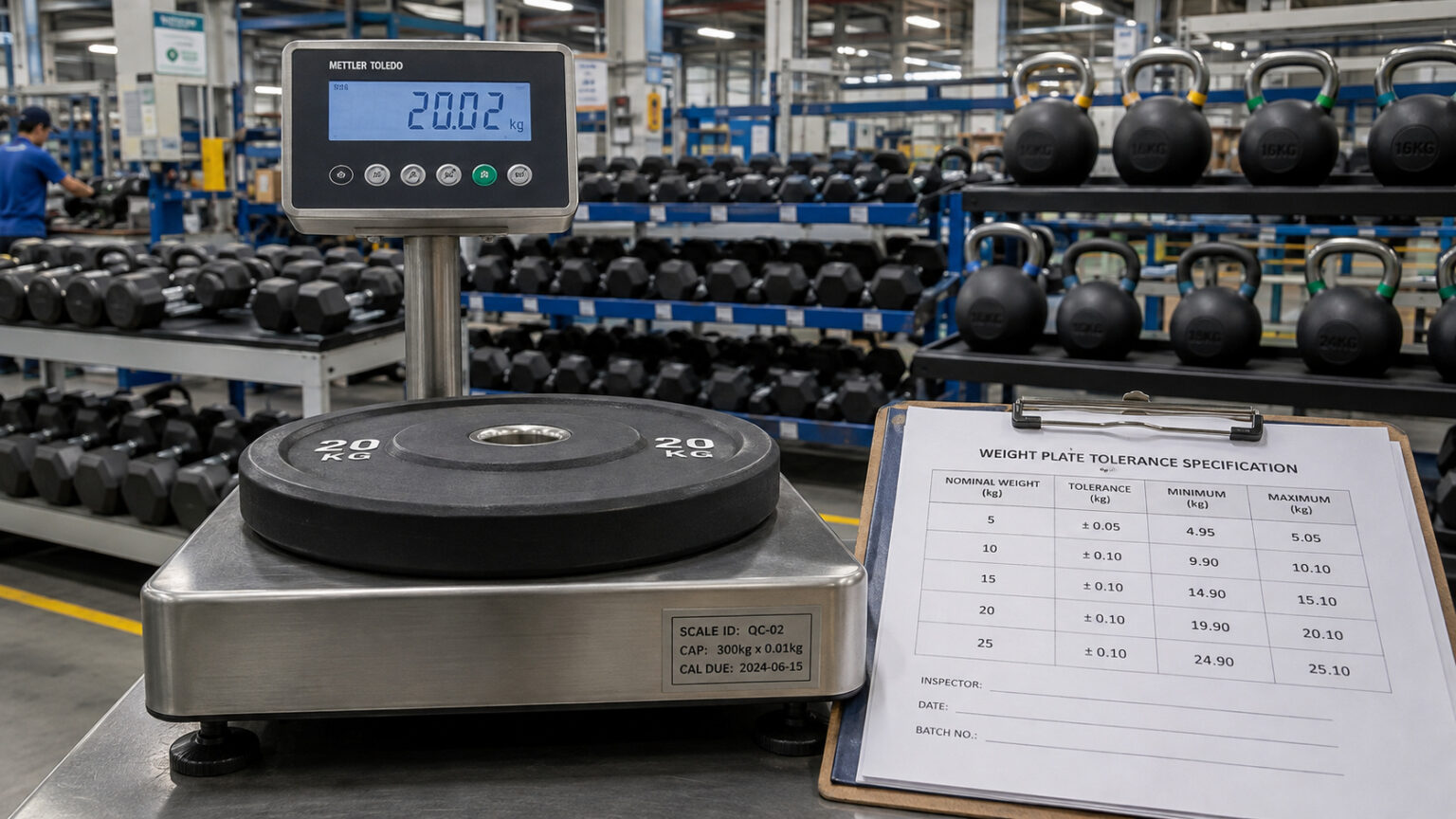
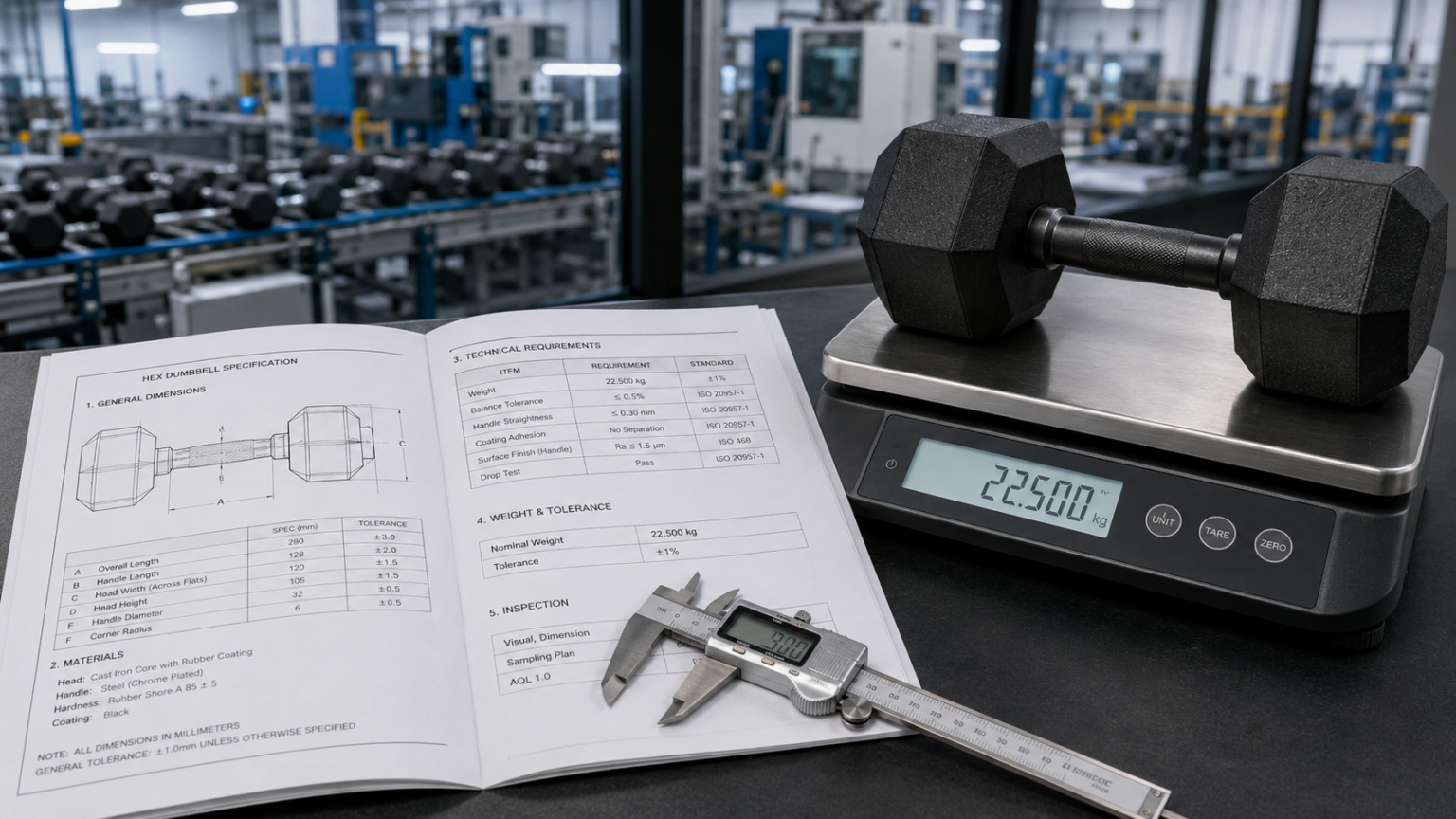
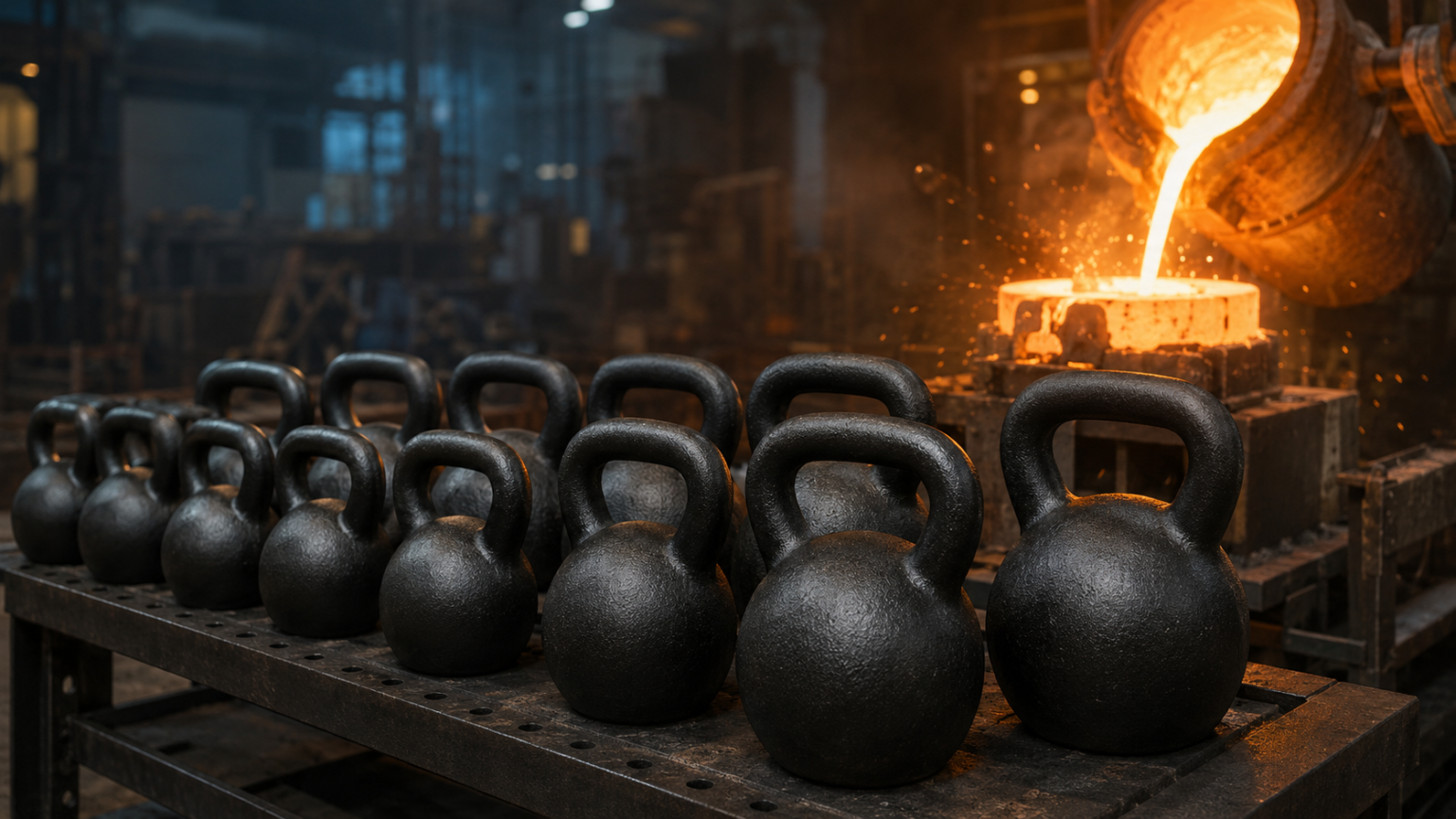
To przyspieszenie w segmencie treningu siłowego ma bezpośrednie znaczenie dla nabywców OEM w kategoriach wolnych ciężarów i sprzętu do treningu siłowego. Popyt konsumentów na hantle, kettlebells, sztangi i obciążniki pozostaje na strukturalnie wysokim poziomie od czasu fali popularności domowych siłowni w latach 2020–2021, a sektor komercyjnych siłowni generuje obecnie dodatkowy popyt, ponieważ operatorzy odświeżają i rozbudowują swoje strefy treningu siłowego, aby sprostać preferencjom członków.
| Segment rynku | Szacowana wartość w 2025 r. | Wartość prognozowana (2033/2034) | CAGR | Główny czynnik |
|---|---|---|---|---|
| Sprzęt fitness na świecie (ogółem) | ~$13,89B (2026) | $19.94B (2033) | 5.3% | Świadomość zdrowotna, otyłość, rozbudowa siłowni |
| Sprzęt do ćwiczeń w domu | $12.88B (2025) | $22,99B (2034) | 6.81% | Normalizacja ćwiczeń w domowej siłowni, praca zdalna |
| Komercjalny sprzęt do ćwiczeń | $2.28B (2025) | $3.40B (2034) | 4.53% | Rozbudowa siłowni, studia butikowe, rehabilitacja |
| Azja i Pacyfik (wszystkie urządzenia fitness) | Najszybciej rozwijający się region | CAGR ~6,11 TP3T | 6.1% | Urbanizacja, rosnące dochody, kultura siłowni |
| Ameryka Północna (wszystkie urządzenia do ćwiczeń) | ~39% – udział w rynku światowym | Stabilna pozycja przywódcza | ~4–5% | Częstość występowania otyłości, gęstość sieci siłowni, domowa siłownia |
Analiza rynku regionalnego: gdzie tempo wzrostu przyspiesza
Regionalny rozkład popytu na sprzęt fitness zmienia się w sposób, który ma bezpośredni wpływ na planowanie produkcji przez producentów OEM oraz strategię eksportową. Chociaż Ameryka Północna pozostaje największym pojedynczym rynkiem, jej udział jest stopniowo zmniejszany przez szybciej rozwijające się regiony — tendencja ta ma się utrzymać do 2030 roku.
Ameryka Północna: dojrzały rynek, stabilny wolumen
W 2025 r. na Amerykę Północną przypadało około 37–39% światowych przychodów z tytułu sprzedaży sprzętu fitness, z czego same przychody ze sprzedaży domowego sprzętu fitness wyniosły około 4,83 mld USD. Rynek amerykański napędzany jest wysokim wskaźnikiem otyłości (stanowiącym stały czynnik stymulujący popyt na sprzęt fitness), silną kulturą członkostwa w klubach fitness oraz dobrze rozwiniętym segmentem domowych siłowni, który zachował swoją stabilność od czasu przyspieszenia rozwoju w okresie pandemii.
Rynek komercyjnych klubów fitness w Stanach Zjednoczonych charakteryzuje się konsolidacją wśród największych sieci (Planet Fitness, Life Time, Gold’s Gym) oraz dynamicznym rozwojem butikowych koncepcji fitness (Orange Theory, F45, Solidcore). Oba segmenty generują stały popyt na sprzęt — duże sieci odnawiają wyposażenie w cyklach wymiany trwających od 5 do 7 lat, a butikowe studia wyposażają nowe lokalizacje w tempie, które od 2022 r. przewyższa ogólny wzrost branży siłowni. Dla dostawców OEM otoczenie celne w Ameryce Północnej — zwłaszcza w odniesieniu do komponentów sprzętu fitness objętych cłami na mocy sekcji 301 — stanowi czynnik strukturalny wpływający na kalkulacje kosztów dostawy do miejsca przeznaczenia oraz pozycję konkurencyjną względem producentów z różnych krajów pochodzenia.
Europa: Infrastruktura opieki profilaktycznej a zapotrzebowanie na zrównoważony rozwój
W 2025 r. Europa utrzymała około 28% udziału w światowym rynku domowego sprzętu fitness, przy czym Niemcy, Wielka Brytania i Francja stanowiły trzy największe rynki krajowe. Popyt na sprzęt fitness w Europie kształtują kilka wyraźnych czynników: silna infrastruktura profilaktyki zdrowotnej, która wspiera zakup sprzętu przez placówki medyczne i rehabilitacyjne; dojrzały rynek komercyjnych siłowni, charakteryzujący się wysokim popytem wynikającym z cyklu wymiany sprzętu; oraz coraz większe znaczenie wymogów dotyczących zrównoważonego rozwoju ze strony nabywców komercyjnych oraz polityki zamówień instytucjonalnych.
Europejskie otoczenie regulacyjne ma również bezpośredni wpływ na producentów OEM: wymogi dotyczące oznakowania CE, zgodność z normą EN 957 w odniesieniu do komercyjnego sprzętu fitness oraz pojawiające się wymogi dotyczące sprawozdawczości ESG w zakresie praktyk zakupowych to czynniki, z którymi dobrze przygotowani producenci OEM radzą sobie w sposób proaktywny. Nabywcy zamierzający wprowadzać produkty do obrotu w Europie powinni upewnić się, że ich partner produkcyjny posiada aktualną dokumentację certyfikacyjną CE oraz zna wymagania testowe normy EN mające zastosowanie do danej kategorii produktów.
Azja i Pacyfik: region o najwyższym tempie wzrostu
Prognozuje się, że region Azji i Pacyfiku będzie odnotowywał najwyższy średni roczny wskaźnik wzrostu (CAGR) wynoszący około 6,11 TP3T spośród wszystkich regionów, napędzany szybką urbanizacją, rosnącymi dochodami klasy średniej oraz fundamentalną zmianą kulturową w kierunku fitnessu opartego na siłowniach — szczególnie wśród młodszych grup wiekowych w Chinach, Japonii, Korei Południowej, Indiach i Azji Południowo-Wschodniej. Wzrost w tym regionie wynika zarówno z ekspansji komercyjnych klubów fitness (w samych Chinach w latach 2020–2024 powstały dziesiątki tysięcy nowych obiektów), jak i z rosnącej popularności domowych rozwiązań fitness powiązanych z elektroniką użytkową, której rozwój został wzmocniony przez kulturę treningów transmitowanych na żywo oraz platformy społecznościowe poświęcone fitnessowi.
Dla producentów OEM z Tajwanu rozwój rynku Azji i Pacyfiku stanowi zarówno wyzwanie konkurencyjne, jak i szansę biznesową. Produkcja w pobliżu rynków docelowych, krótsze terminy realizacji dostaw na kluczowe rynki azjatyckie oraz ugruntowana reputacja w zakresie jakości w Japonii i Korei Południowej (rynkach, na które tajwańscy producenci sprzętu fitness eksportują od dziesięcioleci) zapewniają dostawcom z Tajwanu korzystną pozycję w porównaniu z markami z Europy lub Stanów Zjednoczonych, które po raz pierwszy wchodzą do azjatyckiego łańcucha dostaw.
Główny trend produktowy nr 1: Dynamiczny rozwój rynku sprzętu do treningu siłowego
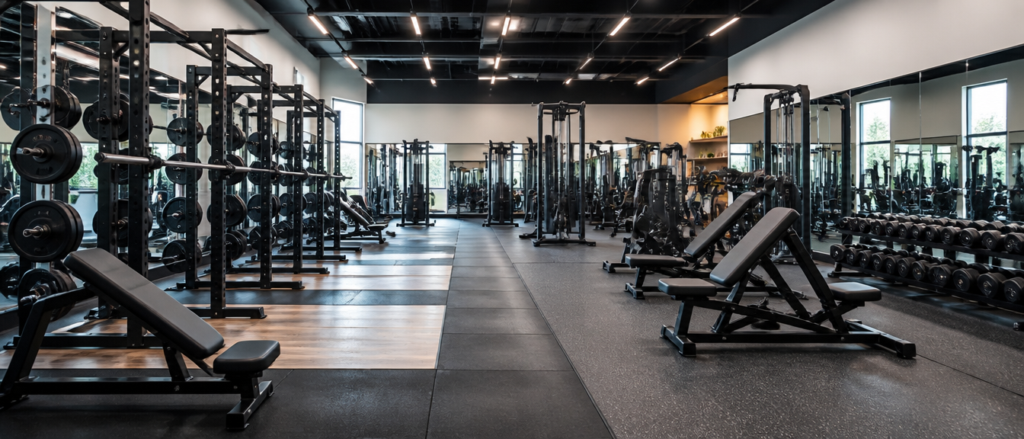
Najważniejszym z punktu widzenia strategii trendem na poziomie produktów dla nabywców OEM w latach 2025–2026 jest utrzymujące się przyspieszenie popytu na sprzęt do treningu siłowego zarówno w segmencie komercyjnym, jak i domowym. Trend ten został dobrze udokumentowany w wielu źródłach badawczych i znajduje potwierdzenie w zauważalnych zmianach zachowań:
- Upowszechnienie treningu siłowego: Trening siłowy, który niegdyś był domeną głównie oddanych kulturystów i sportowców, stał się obecnie powszechną formą aktywności fizycznej wśród różnych grup społecznych — w tym kobiet, osób starszych oraz osób dbających o zdrowie, które wcześniej uprawiały głównie ćwiczenia cardio. To poszerzenie grona użytkowników spowodowało wzrost potencjalnego rynku dla hantli, kettlebells, sztang i maszyn z regulacją obciążenia.
- Popyt na sprzęt do ćwiczeń z wolnymi ciężarami w sektorze komercyjnym: Komercjalne kluby fitness znacznie poszerzają swoją ofertę w zakresie wolnych ciężarów — wprowadzają zestawy hantli o rozszerzonym zakresie wagowym (niektóre kluby z wyższej półki mają obecnie w ofercie zestawy o masie ponad 100 kg), przechodząc z wcześniejszych żeliwnych zestawów na wersje z powłoką gumową lub uretanową oraz wzbogacając swoje wyposażenie o sprzęt do treningu funkcjonalnego (kettlebells, piłki lekarskie, piłki do rzucania).
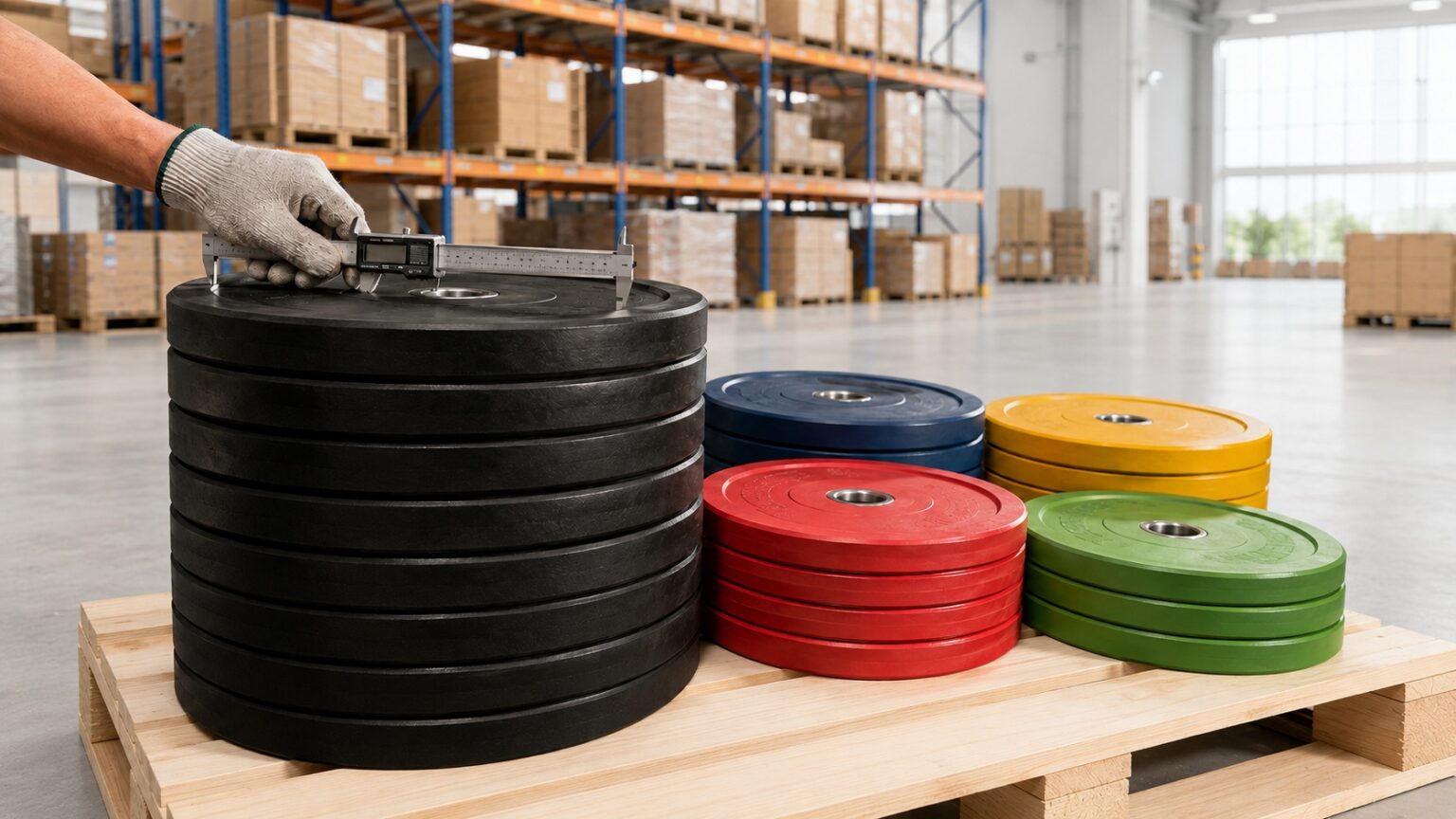
- Normalizacja domowego sprzętu do ćwiczeń siłowych: Właściciele domowych siłowni, którzy po pandemii zainwestowali w zestaw hantli, obecnie wymieniają lub modernizują ten sprzęt — przechodząc od podstawowych zestawów z winylu lub neoprenu na produkty klasy komercyjnej z gumowymi sześciokątnymi hantlami lub hantlami z powłoką CPU. Ten cykl wymiany generuje drugą falę popytu na domowe obciążenia swobodne, która różni się od początkowego wzorca panicznych zakupów z lat 2020–2021 pod względem orientacji na jakość i świadomości marki.
- Rozwój treningu funkcjonalnego: Udział sprzętu do treningu funkcjonalnego — kettlebellów, piłek slamowych, piłek lekarskich, taśm oporowych oraz systemów zawieszeniowych typu TRX — w inwestycjach zarówno w sprzęt domowy, jak i komercyjny wciąż rośnie. Kategoria ta przynosi korzyści producentom OEM dysponującym ugruntowanymi możliwościami produkcyjnymi w zakresie wolnych ciężarów, ponieważ oprzyrządowanie, materiały i procesy powlekania są ściśle powiązane z tradycyjną produkcją hantli i kettlebellów.
Dla marek, które tworzą lub rozszerzają swoje linie produktów w kategorii sprzętu do ćwiczeń siłowych, sygnały rynkowe są niezmiennie pozytywne. Nasze Linia sprzętu do treningu siłowego ALEX Athletics obejmuje pełną gamę specyfikacji dla segmentu komercyjnego i domowego w zakresie wolnych ciężarów, stojaków i ławek — zapewniając programom OEM pełne spektrum rozwiązań, od specyfikacji na poziomie podstawowym po specyfikacje klasy premium dla segmentu komercyjnego.
Główny trend produktowy nr 2: Rozwój połączonego z internetem i inteligentnego sprzętu fitness
Włączenie łączności cyfrowej, czujników IoT oraz ekosystemów oprogramowania do sprzętu fitness zmienia sposób, w jaki nabywcy komercyjni oceniają i określają wymagania dotyczące sprzętu — a także powoduje pojawienie się nowych czynników, które należy uwzględnić przy zaopatrzeniu w ramach programów OEM i które wykraczają poza tradycyjne specyfikacje produktów.
Według Analiza rynku komercyjnego sprzętu fitness przeprowadzona przez Market Data Forecast, ponad 60% nowych instalacji komercyjnego sprzętu fitness w 2025 r. będzie wyposażonych w jakąś formę interaktywności cyfrowej — co stanowi wzrost w porównaniu z około 25% w 2020 r. Ten trend w zakresie integracji technologii jest najbardziej widoczny w przypadku sprzętu do ćwiczeń cardio, ale rozciąga się również na sprzęt siłowy poprzez systemy pomiaru siły, liczniki powtórzeń oraz platformy do śledzenia obciążenia.
Dla nabywców OEM inteligentna integracja sprzętu fitness stwarza zarówno możliwości, jak i wyzwania. Jeśli chodzi o możliwości, sprzęt połączony z internetem pozwala na ustalanie wyższych cen i wspiera modele przychodów oparte na subskrypcji, które zwiększają wartość klienta w całym cyklu życia. Jeśli chodzi o wyzwania, integracja elektroniczna wiąże się z nowymi wymaganiami jakościowymi (montaż płytek drukowanych, oprogramowanie układowe, certyfikacja łączności z aplikacjami), dodatkowymi obowiązkami w zakresie testów bezpieczeństwa oraz ciągłymi zobowiązaniami związanymi ze wsparciem programowym, które wykraczają poza tradycyjną produkcję sprzętu. Nabywcy OEM rozważający wprowadzenie linii produktów fitness z dostępem do sieci powinni ocenić, czy ich partner produkcyjny dysponuje możliwościami integracji elektronicznej we własnym zakresie lub za pośrednictwem sprawdzonych poddostawców — a także uwzględnić dłuższe terminy realizacji, jakie integracja elektroniczna wiąże się z cyklami rozwoju produktu.
Główny trend produktowy nr 3: Sprzęt do ćwiczeń i rehabilitacji dla osób starszych
Sprzęt fitness dla seniorów — zaprojektowany z myślą o ćwiczeniach o niskiej intensywności, ergonomicznych i ukierunkowanych na potrzeby medyczne — stanowi jedną z najbardziej obiecujących pod względem strukturalnym szans na rozwój na rynku sprzętu fitness w latach 2025–2030. Demograficzne podstawy tego wzrostu są oczywiste: przewiduje się, że do 2030 r. liczba osób powyżej 65. roku życia na świecie osiągnie 1 miliard, a konieczność obniżenia kosztów opieki zdrowotnej poprzez profilaktyczną aktywność fizyczną w tej grupie wiekowej jest dobrze udokumentowana i zyskuje uznanie instytucji.
Kanały sprzedaży sprzętu fitness dla seniorów — placówki opieki nad osobami starszymi, ośrodki rehabilitacyjne, szpitalne sekcje fitness oraz przestrzenie rekreacyjne w domach opieki — rozrastają się, ponieważ operatorzy tych placówek dostrzegają, że udogodnienia fitnessowe stanowią zarówno czynnik zwiększający wartość kliniczną, jak i element wyróżniający na tle konkurencji. Ta ekspansja kanałów dystrybucji stwarza możliwości w zakresie zamówień B2B dla marek i dystrybutorów, którzy są w stanie dostarczać na dużą skalę sprzęt fitness klasy komercyjnej, dostosowany do potrzeb medycznych.
Linia produktów Alexia do fitnessu dla seniorów została opracowana specjalnie z myślą o tym segmencie rynku — oferując programy OEM obejmujące maszyny rehabilitacyjne z regulacją obciążenia, sprzęt z kontrolowanym oporem oraz przystępne akcesoria fitness przeznaczone do obiektów zajmujących się zdrowiem seniorów. Więcej szczegółów na temat zastosowań naszego sprzętu fitness dla seniorów można znaleźć na naszej stronie przegląd aplikacji.
Otoczenie handlowe i celne: konsekwencje dla Ameryki Północnej
Warunki polityki handlowej w latach 2025–2026 dotyczące importu sprzętu fitness do Ameryki Północnej stanowią jeden z najważniejszych czynników handlowych w strategii zaopatrzeniowej producentów OEM. Cła nałożone na mocy sekcji 301 na komponenty sprzętu fitness pochodzenia chińskiego — które były utrzymywane i przedłużane przez kolejne administracje polityczne — nadal wpływają na konkurencyjność cenową produktów wytwarzanych w Chinach na rynku amerykańskim, stwarzając względną przewagę producentom z Tajwanu i innych krajów pochodzenia, które nie podlegają tym środkom.
Sprzęt fitness pochodzący z Tajwanu nie podlega obecnie podwyższonym cłom na mocy sekcji 301, które mają zastosowanie do towarów pochodzących z Chin, co sprawia, że produkcja OEM na Tajwanie stanowi przewagę konkurencyjną dla marek obsługujących rynek północnoamerykański w oparciu o koszt dostawy. Przewaga ta znajduje odzwierciedlenie w zwiększonej liczbie zapytań, jakie tajwańscy producenci otrzymują od marek amerykańskich i kanadyjskich pragnących zdywersyfikować swoją produkcję, odchodząc od źródeł chińskich — trend ten znacznie przyspieszył w latach 2022–2025 i nadal stwarza nowe możliwości nawiązania współpracy w zakresie produkcji OEM dla renomowanych tajwańskich fabryk.
Nabywcy powinni pamiętać, że ustalenie kraju pochodzenia sprzętu fitness jest uzależnione od konkretnego produktu i zależy od konkretnej klasyfikacji według kodu HS oraz zasad “istotnej transformacji” mających zastosowanie do konfiguracji danego produktu. Współpraca z doświadczonym agentem celnym w celu potwierdzenia obowiązującej stawki celnej i zasad dotyczących kraju pochodzenia przed sfinalizowaniem umów produkcyjnych jest wskazana dla każdej marki prowadzącej znaczną działalność dystrybucyjną w Ameryce Północnej.
Konsekwencje produkcji OEM: co trendy rynkowe oznaczają dla nabywców
Przekształcenie powyższych trendów rynkowych w praktyczną strategię zaopatrzenia dla producentów OEM wymaga powiązania każdego sygnału popytu z jego implikacjami dla planowania produkcji. Poniższy schemat przedstawia takie powiązania dla segmentów o największym znaczeniu dla naszych programów OEM:
| Trendy rynkowe | Wpływ na produkt | Działania związane z zaopatrzeniem OEM |
|---|---|---|
| Przyspieszenie treningu siłowego | Wzrost popytu na wysokiej jakości obciążniki wolne i stojaki do użytku komercyjnego | Należy zaplanować wydajność z uwzględnieniem szerszego zakresu mas; w celu pozycjonowania produktu w segmencie premium należy zastosować powłokę z CPU/uretanową |
| Cykl wymiany sprzętu do domowej siłowni | Zmiana wymagań dotyczących powłoki z winylu/neoprenu na gumę/CPU | Zaproponuj zróżnicowane specyfikacje produktów dla różnych przedziałów cenowych; zadbaj o dokumentację dotyczącą jakości powłok |
| Rozwój sieci siłowni w regionie Azji i Pacyfiku | Sztangi i maszyny siłowe z regulacją obciążenia klasy komercyjnej | Certyfikacja produktów przeznaczonych do zastosowań komercyjnych; potwierdzenie zgodności z japońskimi i koreańskimi normami bezpieczeństwa |
| Rozwój sektora usług związanych ze zdrowiem osób starszych | Sprzęt do rehabilitacji i ćwiczeń dla seniorów z kanału medycznego | Współpraca z producentami posiadającymi specjalistyczne linie produktów dla osób starszych oraz doświadczenie w sektorze medycznym |
| Wymogi dotyczące zrównoważonego rozwoju (UE) | Specyfikacje materiałów ekologicznych, ograniczenie ilości odpadów opakowaniowych | Należy sprawdzić, czy producent jest w stanie zapewnić zawartość gumy pochodzącej z recyklingu, opakowania z certyfikatem FSC oraz dokumentację dotyczącą emisji dwutlenku węgla |
| Przewaga taryfowa w Ameryce Północnej (Tajwan) | Konkurencyjny koszt dostawy w porównaniu z produktami pochodzącymi z Chin | Należy potwierdzić ustalenie kraju pochodzenia u agenta celnego; wykorzystać przewagę cenową wynikającą z pochodzenia z Tajwanu |
| Wzrost popularności inteligentnych/podłączonych do sieci urządzeń | Wymagania dotyczące integracji układów elektronicznych w liniach produktów klasy premium | Ocena sieci poddostawców komponentów elektronicznych danego producenta; zaplanowanie dłuższych harmonogramów prac rozwojowych |
Główny trend produktowy nr 4: Sprzęt do pilatesu — od niszowego do popularnego
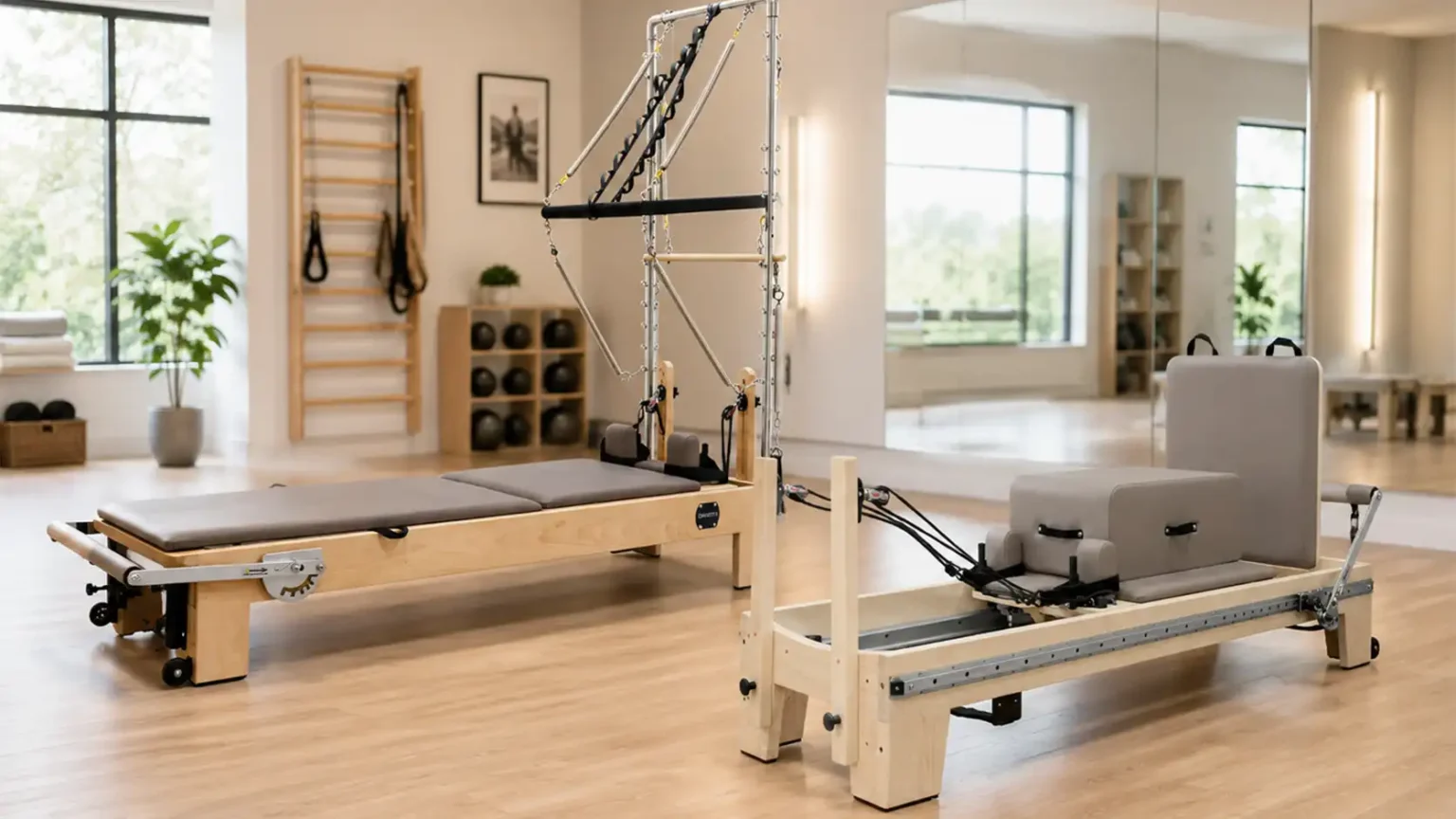
W ciągu ostatnich pięciu lat pilates przeszedł niezwykłą transformację komercyjną, ewoluując z dyscypliny uprawianej głównie w niewielkich studiach i placówkach medycznych w popularną kategorię zajęć fitnessowych dla grup, dysponującą rozbudowaną infrastrukturą komercyjną. Zmiana ta ma bezpośrednie konsekwencje dla nabywców OEM w kategorii sprzętu do pilatesu, w której obserwuje się wzrost popytu na skalę niespotykaną dotąd w historii tego segmentu.
Rozbudowa studia Boutique Pilates
Studia Reformer Pilates stały się jednym z najszybciej rozwijających się komercyjnych formatów fitness na świecie, a duże sieci franczyzowe (Club Pilates, Solidcore, Reform RX oraz liczni operatorzy regionalni) dynamicznie rozszerzają swoją działalność w Ameryce Północnej, Wielkiej Brytanii, Australii oraz w coraz większym stopniu w Azji. Każda nowa lokalizacja studia wymaga co najmniej 8–15 reformerów oraz dodatkowego sprzętu (stoły Cadillac, krzesła stabilizacyjne, beczki), co generuje znaczne wolumeny zamówień komercyjnych, które trafiają bezpośrednio do producentów OEM sprzętu klasy komercyjnej.
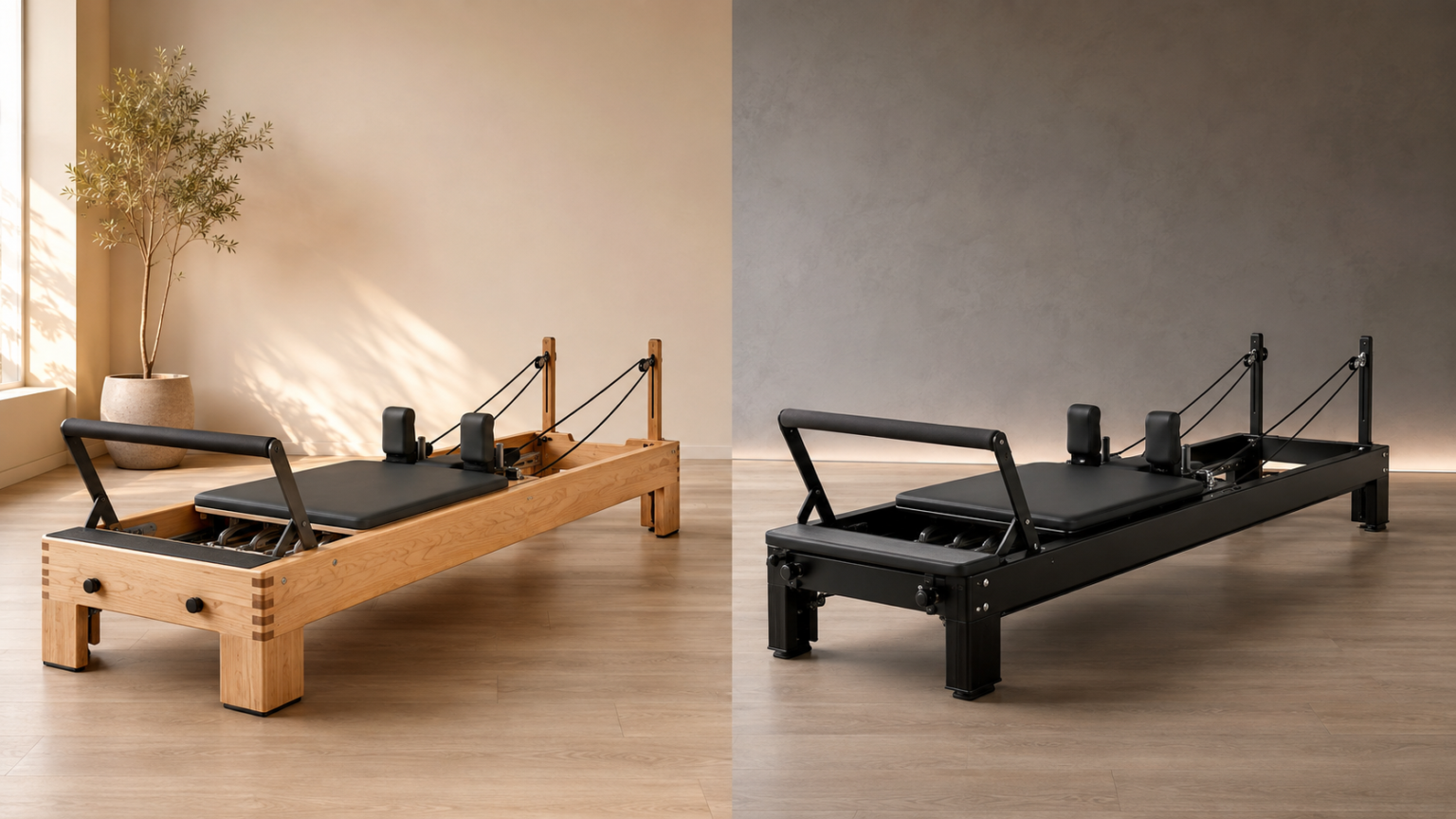
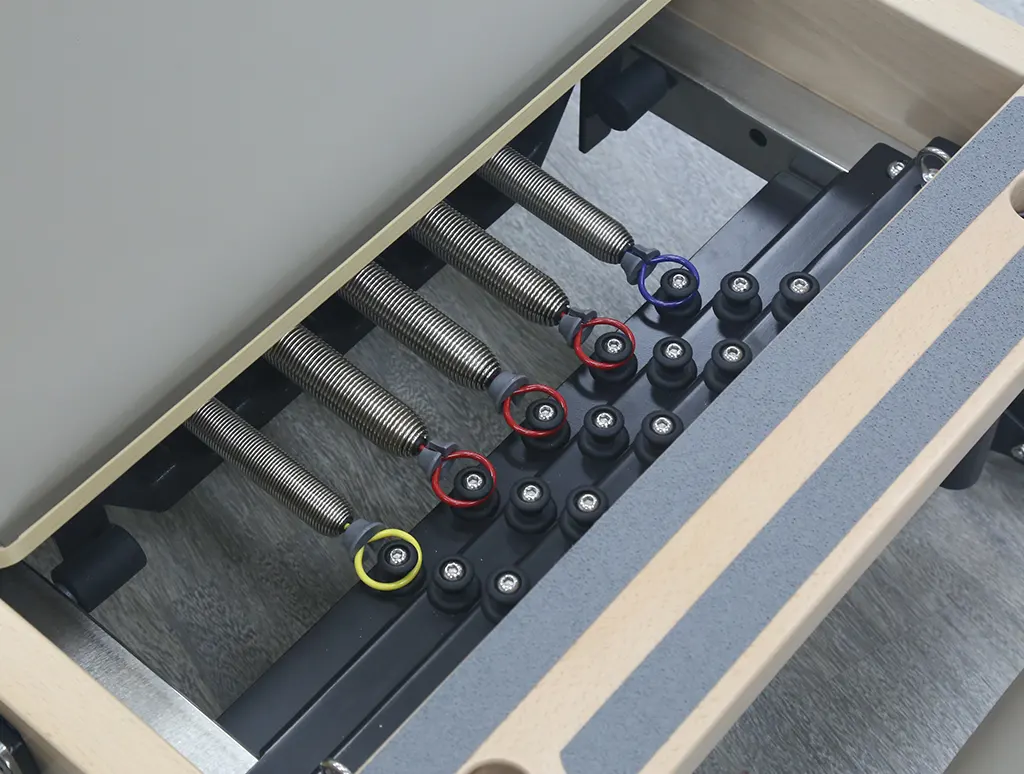
Kanał studiów komercyjnych wprowadził również minimalne wymagania eksploatacyjne, które znacznie różnią się od tych obowiązujących na rynku pilatesu domowego lub klinicznego: reformery klasy komercyjnej muszą wytrzymać 40–60 sesji z klientami dziennie przez wiele lat nieprzerwanej eksploatacji, co wymaga trwałości konstrukcji, długowieczności mechanizmu sprężynowego oraz odporności tapicerki na zużycie znacznie przewyższającej parametry, do których zaprojektowano sprzęt do użytku domowego. To zróżnicowanie pod względem wydajności tworzy odrębną kategorię produktów komercyjnych – oraz odpowiadającą jej wyższą cenę – którą mogą zaspokoić uznani producenci.
Fizjoterapia i integracja kliniczna
Sprzęt do pilatesu został w znacznym stopniu włączony do praktyki fizjoterapii i rehabilitacji klinicznej, co wynika z coraz większej liczby dowodów naukowych potwierdzających skuteczność fizjoterapii opartej na pilatesie w leczeniu bólu pleców, rehabilitacji ortopedycznej oraz schorzeń neurologicznych. Sprzęt do pilatesu przeznaczony do użytku klinicznego musi spełniać dodatkowe wymagania: regulowany opór sprężyn z precyzyjną kalibracją, łatwy dostęp i wyjście dla pacjentów o ograniczonej sprawności ruchowej oraz wytrzymałą konstrukcję, która wytrzyma duże wahania masy ciała. Kanał kliniczny stanowi odrębny strumień zamówień o charakterystycznych cechach nabywców instytucjonalnych — większe pojedyncze zamówienia, zakupy oparte raczej na specyfikacji niż na marce oraz wieloletnie oczekiwania dotyczące cyklu życia sprzętu.
Linia Axispila Pilates została opracowana specjalnie z myślą zarówno o studiach komercyjnych, jak i placówkach klinicznych – parametry techniczne urządzeń spełniają wymagania dotyczące trwałości w warunkach komercyjnych, a opcje konfiguracji są dostosowane do potrzeb zastosowań klinicznych. Szczegółowy opis naszej pełnej oferty sprzętu do pilatesu znajduje się w Przegląd usług OEM/ODM dla marek opracowujących linie produktów związanych z pilatesem.
Sytuacja konkurencyjna: Pozycjonowanie producentów OEM w latach 2025–2026
Dynamika konkurencji w branży produkcji sprzętu fitness na zlecenie ulega zmianom, które stwarzają zarówno wyzwania, jak i możliwości dla uznanych producentów z Tajwanu oraz marek, które zaopatrują się u nich.
Ograniczanie mocy produkcyjnych u renomowanych producentów
Opisany w niniejszym raporcie stały wzrost popytu spowodował ograniczenie mocy produkcyjnych u producentów sprzętu fitness posiadających certyfikaty jakości — zwłaszcza tych, którzy mają ugruntowane relacje eksportowe, wdrożone systemy zgodne z normą ISO 9001 oraz możliwości przeprowadzania testów obciążeniowych konstrukcji. Producenci z tej grupy odnotowali znaczny wzrost liczby zapytań ofertowych w związku z dywersyfikacją źródeł zaopatrzenia przez marki, które odchodzą od Chin, podczas gdy ich moce produkcyjne nie wzrosły proporcjonalnie. W praktyce oznacza to konieczność składania zamówień z większym wyprzedzeniem oraz ograniczoną dostępność mocy produkcyjnych na rynku spotowym w okresach szczytowego zapotrzebowania.
Dla marek nawiązujących nowe relacje OEM w latach 2025–2026 obecna sytuacja oznacza, że czas na zapewnienie sobie statusu preferowanego partnera u renomowanych producentów coraz bardziej się kurczy. Zakłady produkcyjne, które dotychczas były dostępne w krótkim terminie, coraz częściej są już z góry zarezerwowane dla stałych klientów. Strategiczna wartość dobrze rozwiniętego partnerstwa produkcyjnego — obejmującego rezerwacje z wyprzedzeniem, prognozy kroczące i wzajemne inwestycje — jest zatem obecnie wyższa niż kiedykolwiek w ostatniej dekadzie.
Rozwój marek własnych
Dostępność produkcji OEM przyczyniła się do znacznego wzrostu liczby marek sprzętu fitness sprzedawanego pod własną marką — zwłaszcza w kanale e-commerce — co zaostrzyło konkurencję w segmentach produktów klasy średniej. Ten wzrost stanowi wyzwanie dla uznanych marek konkurujących pod względem podobieństwa produktów, a jednocześnie szansę dla marek, które inwestują w rzeczywiste zróżnicowanie produktów poprzez specyfikację materiałów, innowacje funkcjonalne lub projekt dostosowany do konkretnego kanału dystrybucji.
Nabywcy OEM, którzy traktują swojego partnera produkcyjnego jako współpracownika w zakresie rozwoju produktów — a nie jako dostawcę usług produkcyjnych — mają większe szanse na opracowanie produktów wyróżniających się na tle konkurencji, których konkurenci korzystający z standardowego zaopatrzenia OEM nie są w stanie bezpośrednio skopiować. Jest to najwyraźniejszy praktyczny argument przemawiający za modelem głębokiego partnerstwa produkcyjnego omówionym w naszym wcześniejszym artykule i wiąże się on bezpośrednio z koniecznością zajęcia pozycji konkurencyjnej, wynikającą z połączenia wzrostu rynku i jego ekspansji.
Perspektywy na lata 2026–2028: trzy czynniki kształtujące kolejną falę zmian
W perspektywie wykraczającej poza lata 2025–2026 trzy czynniki strukturalne będą prawdopodobnie kształtować ewolucję rynku sprzętu fitness do 2028 roku w sposób, który nabywcy OEM powinni uwzględnić w swoich średnioterminowych strategiach produktowych i zaopatrzeniowych:
Koncepcja nr 1: Projekt komercyjnej siłowni oparty na zasadzie „siła przede wszystkim”
W latach 2026–2028 komercyjne kluby fitness przeznaczą znacznie więcej powierzchni na trening siłowy — wolne ciężary, trening funkcjonalny i maszyny z regulacją obciążenia — a proporcjonalnie mniej na strefy z urządzeniami do ćwiczeń cardio. Odzwierciedla to zmieniające się oczekiwania członków klubów oraz strategie wyróżniania się na tle konkurencji stosowane przez operatorów, którzy zdają sobie sprawę, że inwestycje w sprzęt siłowy przyczyniają się do utrzymania członków i budowania ich lojalności w stopniu, w jakim nie robią tego urządzenia cardio. Dla nabywców OEM zaopatrujących rynek komercyjny oznacza to trwałą zmianę popytu w kierunku ich podstawowych kategorii produktów.
Kierunek 2: Inwestycje w infrastrukturę rynków wschodzących
Inwestycje rządowe w infrastrukturę zdrowia publicznego na rynkach wschodzących w Azji Południowo-Wschodniej, na Bliskim Wschodzie i w Ameryce Łacińskiej tworzą nowe instytucjonalne kanały zaopatrzenia w sprzęt fitness. Szpitale publiczne, lokalne ośrodki zdrowia oraz rządowe obiekty sportowe stanowią kanał dystrybucji, który dotychczas był niedostatecznie obsługiwany przez marki sprzętu fitness skupiające się wyłącznie na kanałach konsumenckich i komercyjnych siłowniach. Marki i dystrybutorzy, którzy potrafią sprostać wymogom zamówień instytucjonalnych na tych rynkach, uzyskają dostęp do popytu, który jest częściowo odporny na wahania cyklu wydatków konsumenckich wpływające na kanały detaliczne.
Kierunek 3: Włączenie kwestii ESG i zrównoważonego rozwoju
Wymogi dotyczące środowiska, spraw społecznych i ładu korporacyjnego (ESG) są coraz częściej uwzględniane w kryteriach zamówień publicznych przez dużych operatorów komercyjnych siłowni, nabywców instytucjonalnych oraz obiekty fitness sektora publicznego — zwłaszcza w Europie. Producenci sprzętu fitness oraz programy OEM, które są w stanie dostarczyć zweryfikowaną dokumentację dotyczącą zrównoważonego rozwoju — zawartość materiałów pochodzących z recyklingu, obliczenia śladu węglowego, opakowania z certyfikatem FSC oraz zaświadczenia o etycznym łańcuchu dostaw — zyskują konkurencyjny dostęp do programów zamówień, w których kryteria te są formalnie brane pod uwagę na równi z ceną i jakością. Marki, które już teraz zaczynają budować zdolność do przygotowywania dokumentacji ESG w ramach swoich programów OEM, wyprzedzają oczekiwania dotyczące wymogów, które do 2028 r. staną się powszechne we wszystkich głównych kanałach dystrybucji.
Rynek sprzętu fitness w latach 2025–2026 odzwierciedla również dojrzewanie szeroko pojętej gospodarki wellness: konsumenci i instytucje coraz bardziej świadomie inwestują w infrastrukturę fitness, przywiązując większą wagę do trwałości, bezpieczeństwa, wiarygodności marki oraz długoterminowej wartości. Ta orientacja na jakość przynosi korzyści producentom OEM i markom, które zainwestowały w prawdziwą inżynierię produktu i systemy jakości, a stanowi przeszkodę dla producentów niewyróżniających się towarów, konkurujących wyłącznie ceną. Marki, które osiągnęły autentyczne zróżnicowanie produktów — poprzez specyfikację materiałów, innowacje projektowe lub doświadczenie w zakresie kanałów dystrybucji — w nieproporcjonalnie dużym stopniu przyciągają zakupy zorientowane na wartość, które charakteryzują obecne otoczenie rynkowe.
Dla nabywców OEM oceniających strategię produkcyjną w tym kontekście konsekwencje są jasne: należy inwestować w jakość specyfikacji, nawiązywać współpracę z producentami, którzy oprócz zdolności produkcyjnych dysponują również dogłębną wiedzą inżynierską, oraz budować relacje w łańcuchu dostaw zapewniające priorytetowy dostęp do wysokiej jakości mocy produkcyjnych w coraz bardziej ograniczonym otoczeniu. Marki, które będą to robić w sposób systematyczny, będą miały lepszą pozycję do zdobycia udziału w rynku, który nadal pozostaje jednym z najbardziej korzystnych strukturalnie rynków konsumenckich na świecie.
Najczęściej zadawane pytania
Jaka jest obecna wielkość światowego rynku sprzętu fitness?
Globalny rynek sprzętu fitness jest wyceniany na około 13,89 mld USD w 2026 r. (Coherent Market Insights), a według prognoz ma osiągnąć wartość 19,94 mld USD do 2033 r. Segment domowego sprzętu fitness szacuje się oddzielnie na 12,88 mld USD w 2025 r., co wynika z różnych definicji zakresu stosowanych przez poszczególnych dostawców badań. Zarówno segment komercyjny, jak i domowy rosną w tempie 4–7% CAGR, w zależności od konkretnego segmentu i regionu geograficznego.
W którym regionie popyt na sprzęt fitness rośnie najszybciej?
Region Azji i Pacyfiku jest regionem rozwijającym się najszybciej – prognozowany średni roczny wzrost (CAGR) wynosi około 6,11 TP3T – napędzanym przez szybką urbanizację, rosnącą popularność kultury fitness wśród klasy średniej w Chinach, Japonii, Korei Południowej i Indiach oraz rządowe inicjatywy zdrowotne w Azji Południowo-Wschodniej. Ameryka Północna pozostaje największym rynkiem pod względem wartości bezwzględnej, z udziałem w rynku globalnym wynoszącym około 37–39%, jednak tempo jej wzrostu jest niższe niż w regionie Azji i Pacyfiku ze względu na dojrzałość rynku.
Czy popularność sprzętu do treningu siłowego rośnie szybciej niż sprzętu do ćwiczeń cardio?
Tak. W obecnym cyklu rynkowym popyt na sprzęt do treningu siłowego rośnie nieco szybciej niż na sprzęt do ćwiczeń cardio, co wynika z powszechnego upowszechnienia się treningu siłowego wśród grup demograficznych, które wcześniej skupiały się na ćwiczeniach cardio, w tym wśród kobiet i osób starszych. Popyt na wolne ciężary, stojaki i sprzęt do treningu funkcjonalnego stale rośnie zarówno w segmencie komercyjnym, jak i domowym.
W jaki sposób otoczenie taryfowe wpływa na zaopatrzenie w sprzęt fitness z Tajwanu?
Sprzęt fitness pochodzący z Tajwanu nie podlega podwyższonym cłom na mocy sekcji 301, które mają zastosowanie do towarów pochodzących z Chin na rynku amerykańskim, co zapewnia produktom wytwarzanym na Tajwanie przewagę konkurencyjną pod względem kosztów dostawy w porównaniu z ich odpowiednikami pochodzącymi z Chin. Ta przewaga spowodowała wzrost zainteresowania zakupami ze strony marek północnoamerykańskich oraz przyspieszyła dywersyfikację produkcji, polegającą na przenoszeniu jej z Chin na Tajwan, wśród uznanych nabywców sprzętu fitness.
Co konkretnie napędza wzrost popytu na sprzęt fitness dla seniorów?
Szacuje się, że do 2030 r. liczba osób powyżej 65. roku życia na świecie osiągnie 1 miliard, co spowoduje wzrost popytu instytucjonalnego na sprzęt rehabilitacyjny i sprzęt służący poprawie samopoczucia seniorów w placówkach opieki zdrowotnej, ośrodkach opieki nad osobami starszymi oraz w ramach lokalnych programów zdrowotnych. Zachęty do obniżania kosztów opieki zdrowotnej poprzez profilaktyczne zajęcia fitness, w połączeniu z faktem, że operatorzy placówek postrzegają zaplecze fitness jako czynnik wyróżniający na tle konkurencji, przyczyniają się do rozszerzenia kanału dystrybucji sprzętu fitness dla seniorów poza tradycyjne sieci siłowni.
Wnioski
The globalne trendy na rynku sprzętu fitness Prognozy na lata 2025–2026 przedstawiają jasny i dający się wykorzystać w praktyce biznesowej obraz sytuacji: utrzymujący się wzrost zarówno w segmencie komercyjnym, jak i domowym, przy czym tempo wzrostu w segmencie sprzętu do ćwiczeń siłowych przyspiesza; region Azji i Pacyfiku wyznacza tempo wzrostu; fitness dla seniorów wyłania się jako segment specjalistyczny o dużym potencjale, a produkcja z Tajwanu zachowuje strukturalną przewagę konkurencyjną dla nabywców z Ameryki Północnej. Strategiczną konsekwencją dla nabywców OEM jest odpowiednie pozycjonowanie linii produktów i partnerstw produkcyjnych już teraz — przed szczytowymi okresami przyjmowania zamówień, które będą odzwierciedlać te trendy popytu w 2026 roku i później.
Jeśli planują Państwo rozszerzenie oferty sprzętu fitness lub rozważają możliwości produkcji OEM zgodne z trendami wzrostowymi wskazanymi w niniejszym raporcie, nasz zespół chętnie omówi z Państwem programy produkcyjne we wszystkich trzech naszych wyspecjalizowanych liniach produkcyjnych.